
Plants
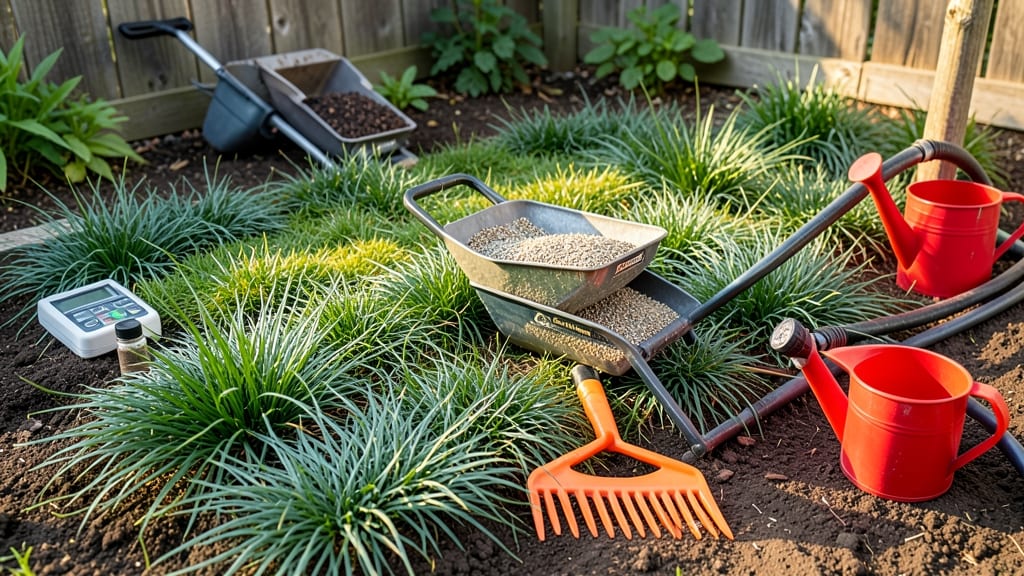
Planting grass seed in Michigan’s spring requires timing it 4-6 weeks after the last frost—typically between early April and late May, depending on your zone.
Timing is everything when planting grass seed in Michigan—get it wrong, and you’ll battle weeds, frost, or slow germination. But with Michigan’s unpredictable spring weather, knowing the exact frost-free window by zone can mean the difference between a lush lawn and wasted effort.
Most of the state sees its last frost around mid-April, but northern Michigan (like the Upper Peninsula) can linger until early May. Cool-season grasses like Kentucky bluegrass and fescue thrive when soil temperatures hit 50°F, while warm-season varieties need to wait until late May.
Below, I’ll break down the best planting windows by zone, soil prep tips, and how to keep your new lawn from drying out or getting smothered by weeds before it takes hold.
Michigan’s spring planting zones: when to plant grass seed by last frost date
Michigan’s USDA Hardiness Zones 4-6 create a 4-6 week window for spring grass seeding, but timing varies dramatically between regions.
In southern Michigan (Zone 6), like Detroit and Grand Rapids, you can start as early as late March, while the Upper Peninsula (Zone 4) often waits until mid-May.
This regional shift means cool-season grasses like Kentucky bluegrass thrive in early springs, while warm-season grasses like Bermuda grass need to wait until soil warms.
The average last frost dates in Michigan range from April 15 in southern areas to May 15 in northern regions. Planting grass seed too early risks frost damage and slow germination, while waiting too long can invite weed competition.
For best results, aim to plant 4-6 weeks after your area’s last frost date when soil temperatures consistently stay above 55°F (13°C).
Here’s a quick reference for Michigan’s spring planting zones and their ideal grass seeding windows, tailored for both cool-season and warm-season varieties:
| Zone | Region | Avg. Last Frost | Ideal Planting Window | Cool-Season Grasses | Warm-Season Grasses |
|---|---|---|---|---|---|
| 6a-6b | Detroit, Grand Rapids, Kalamazoo | April 15 | April 15 - May 15 | Kentucky bluegrass, Tall fescue | Bermuda (late May) |
| 5b-6a | Lansing, Ann Arbor, Battle Creek | April 22 | April 22 - May 22 | Fine fescue, Ryegrass blends | Zoysia (late May) |
| 4b-5a | Upper Peninsula (Marquette, Sault Ste. Marie) | May 15 | May 15 - June 1 | Creeping red fescue, Hard fescue | Buffalo grass (late June) |
For cool-season grasses, which dominate Michigan lawns, the earliest planting window in Zone 6 (southern Michigan) is mid-April, while northern regions like the Upper Peninsula (Zone 4) should wait until mid-May.
These grasses—like Kentucky bluegrass and tall fescue—germinate best in 50-65°F (10-18°C) soil temperatures. Planting too early risks frost heave, where young seedlings are pulled from the soil by freezing and thawing cycles.
Warm-season grasses, such as Bermuda and Zoysia, prefer warmer soil and air temperatures, ideally above 65°F (18°C). In Michigan, these varieties are rarely planted in spring—they’re better suited for late spring or early summer seeding. If you’re planting Bermuda grass in southern Michigan, wait until late May or early June to avoid slow germination and weed takeover.
Regional microclimates also play a role. Urban areas like Detroit and Grand Rapids often experience earlier last frosts due to the urban heat island effect, while rural or northern areas may see delayed warming.
To adjust, monitor local weather forecasts and use the “sock test”: Bury a dark-colored sock in the soil for 24 hours. If it feels warm to the touch, the soil is ready for seeding.
Once you’ve nailed down your planting window, prepare the soil by removing debris and leveling the area. Lightly rake the soil to create a fine seedbed, then apply a starter fertilizer with high phosphorus to encourage root development.
After seeding, keep the soil consistently moist—not soggy—for the first 2-3 weeks to ensure strong germination.
For northern Michigan gardeners, where springs can be unpredictably cold, consider using a row cover or cold frame to protect young seedlings from late frosts.
In southern Michigan, where springs arrive earlier, you might even squeeze in a late summer seeding (late August) for cool-season grasses, taking advantage of fall rains to establish roots before winter.
Remember, soil temperature matters more than calendar dates. Use a soil thermometer to confirm the ground has warmed to at least 55°F (13°C) before planting. This simple tool can save you from wasted seed and frustrating regrowth after a late frost.
By aligning your planting schedule with Michigan’s frost-free windows and soil conditions, you’ll give your lawn the best possible start. Whether you’re in Detroit’s Zone 6 or the Upper Peninsula’s Zone 4, the key is patience and preparation—your future lawn will thank you for
5 Critical signs it’s Actually Safe to Plant Grass Seed in Michigan (Beyond the Calendar)
Checking the calendar for Michigan’s last frost date is a good start, but the real indicators of safe planting lie in your yard. Soil temperature, moisture, and weed competition all play critical roles in whether your grass seed will thrive or fail.
I’ve planted lawns in Michigan for over a decade, and these five field signs have never let me down.
Instead of guessing, use these practical tests to confirm your lawn is ready. The sock test for soil warmth, for example, is a foolproof way to avoid planting too early when cold snaps can still hit.
Plus, I’ll show you how to outmaneuver crabgrass and other weeds that love to hijack new lawns.
Bury a dark-colored sock in the soil for 24 hours. If it feels warm to the touch (like a cozy sweater), your soil is 50°F+—perfect for cool-season grasses. Warm-season grasses need 60°F+ soil.
If crabgrass and chickweed have already sprouted, your lawn is too late for cool-season grasses. These weeds signal soil warmth—ideal for warm-season grasses like Bermuda but a sign to wait for fescue.
Check your local weather trends. Grass seed needs consistent moisture to germinate. If rainfall is erratic, plan to water daily for 2 weeks after planting—morning watering is best to prevent fungal risks.
If your hostas or tulips have fully leafed out without frost damage, your lawn is safe. Frost-free nights are critical for seedling survival—wait until nighttime temps stay above 40°F.
If you’re using crabgrass preventer, apply it 2 weeks before planting grass seed. This gives the pre-emergent time to activate in the soil while keeping weeds at bay—critical for Michigan’s short growing season.
Microclimates in Michigan can throw off your timing. Urban heat islands (like Detroit) may be safe to plant 2 weeks earlier than rural areas, while shaded yards in Traverse City might need to wait until June for warm-season grasses. Always adjust for your specific yard conditions.
Planting too early risks frost damage, while waiting too long lets weeds take over. Use these signs to time your planting perfectly—your lawn will thank you with dense, healthy growth all season long. 🌱