
Plants
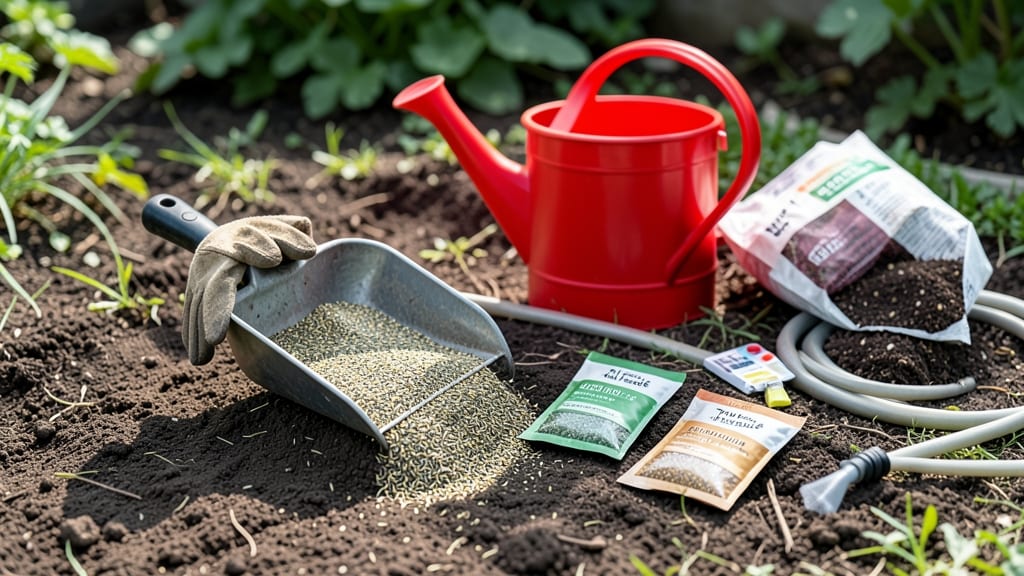
The best time to plant grass seed in South Carolina is early spring or fall, when temperatures and moisture align for strong germination 🌱—but get it wrong, and you’re fighting weeds or heat stress from day one.
Picture this: You’ve spent hours spreading seed, only to watch it bake under summer sun or drown in winter’s chill. The key is timing, and South Carolina’s 7b-8a zones demand precision.
Plant too early, and frost zaps your progress; too late, and summer’s heat turns your lawn into a crispy desert.
Spring planting (March–April) gives grass a head start before the heat kicks in, while fall (August–September) lets roots establish before winter slows growth. Both windows work—but only if you prep the soil right and keep it moist. Skip the summer, no matter how tempting.
Below, I break down the exact months for your region, soil checks to avoid common pitfalls, and the grass types that thrive here. No guesswork, just a lush lawn from seed.
Best months to plant grass seed in South Carolina by climate zone
South Carolina’s three distinct climate zones—Coastal, Piedmont, and Mountain—each demand different timing for planting grass seed to avoid heat stress or frost damage. The Coastal Plain (Zone 8a) enjoys milder winters, while the Upstate Mountains (Zone 7b) face earlier frosts.
Even a 2-week shift in planting can mean the difference between thick turf and sparse patches.
I’ve planted grass in all three zones and learned the hard way: summer planting is a no-go. The heat dries out seeds before they sprout, and weeds take over. Instead, focus on spring (March–April) or fall (August–September), when soil temps hover between 60°F–75°F—perfect for germination.
Below, I’ll break down the best months for each region, plus soil and weather cues to watch.
For the Coastal Plain, I recommend planting Bermuda grass in spring (March) or Zoysia in fall (August). These varieties thrive in the humid, warm conditions but need consistent moisture—especially in summer. Skip planting after June 1, or seeds will dry out before sprouting.
The Piedmont region has a shorter window due to earlier frosts. Plant Tall Fescue in early March to beat summer heat, or opt for St. Augustine in late August for fall establishment. Test soil temps with a soil thermometer—aim for 60°F+ for germination.
In the Mountains, cooler soils delay planting until April. Fine Fescue is my top pick here—it tolerates shadier spots and cooler temps better than other grasses. Plant in April–May or late August, and cover seeds with straw mulch to retain moisture in the drier mountain air.
Regardless of your zone, avoid summer planting. The 90°F+ temps and low humidity create a hostile environment for seeds. Instead, use these windows: spring (March–April) for warm-season grasses and fall (August–September) for cool-season types.
Pro tip: Water seeds daily for the first 2 weeks to keep soil moist but not soggy.
One mistake I made? Planting too early in the Piedmont. A late frost in March killed my Kentucky Bluegrass seedlings. Now, I wait until after April 1 and monitor the 10-day forecast for frost warnings. Use row covers if planting near frost dates for extra protection.
Finally, choose the right grass type for your zone. Warm-season grasses (Bermuda, Zoysia) dominate the Coastal Plain, while cool-season grasses (Fescue, Ryegrass) thrive in the Mountains. Mixing types?
Stick to one variety per season to avoid competition. With the right timing and prep, your lawn will outcompete weeds and stay thick all year.
Need a quick cheat sheet? Bookmark this: Coastal = March/August, Piedmont = April/September, Mountains = May/October. Plant outside these windows, and you’re gambling with your lawn’s success. 🌱
How South Carolina’s microclimates affect grass seed germination rates
South Carolina’s humidity, rainfall, and soil temperatures shift dramatically from the coast to the mountains, creating three distinct zones that demand different planting strategies.
In the Coastal Plain, high humidity and frequent rains can drown seeds if planted too late, while the Upstate Piedmont faces hot, dry summers that bake seeds before they sprout. Even a 50-mile drive inland can change your ideal planting window by weeks.
For example, Charleston’s coastal climate thrives with fall planting (August–September) when humidity is high but temperatures stay mild. Meanwhile, Greenville’s Upstate needs an earlier spring window (March–April) to avoid summer drought stress.
These microclimates aren’t just regional quirks—they directly impact germination rates, with Coastal areas seeing 20% faster sprouting in fall versus Upstate’s slower spring start.
Soil temperature is the tiebreaker: Coastal soils stay 70–75°F in late summer, perfect for warm-season grasses like Bermuda, while Upstate soils hit 65°F earlier in spring, favoring tall fescue. Even rainfall varies—Coastal zones get 50+ inches yearly, while Upstate sees 40–45 inches, forcing adjustments in irrigation needs.
| Region | Best Planting Window | Soil Temp Range (°F) | Rainfall (Annual) | Grass Type |
|---|---|---|---|---|
| Coastal Plain (Charleston, Beaufort) | August–September (Fall) or March (Spring) | 70–75°F (Fall) / 60–65°F (Spring) | 50–55 inches | Bermuda, Zoysia |
| Piedmont (Columbia, Greenville) | March–April (Spring) or September (Fall) | 65–70°F (Spring) / 60–65°F (Fall) | 40–45 inches | Tall Fescue, Ryegrass |
| Upstate Mountains (Greer, Landrum) | April–May (Spring) or August (Fall) | 60–65°F (Spring) / 55–60°F (Fall) | 35–40 inches | Fine Fescue, Bluegrass |
If you’re in the Coastal Plain, prioritize fall planting to avoid summer’s oppressive heat and humidity. The key is to sow seeds when daytime temps hover around 75°F—too hot, and germination slows; too cool, and fungal risks rise.
For the Upstate, aim for spring’s shoulder season (April–May) when rains are reliable but soils aren’t waterlogged.
Pro tip: Use a soil thermometer to confirm temps—ideal ranges are 65–75°F for most grasses. Coastal areas can push 75–80°F in late summer, but this risks seed desiccation. Upstate gardeners should wait until soils warm to 60°F to avoid slow, uneven sprouting.
Adjust your schedule by 2–4 weeks if your yard sits in a microclimate (e.g., a south-facing slope warms faster).
Don’t overlook humidity’s role—Coastal zones lose moisture faster due to high air humidity, while Upstate’s drier air means seeds dry out quicker. Mulch lightly with straw to retain moisture, and water early morning to reduce evaporation.
With these tweaks, you’ll turn South Carolina’s climate challenges into your lawn’s competitive edge 🌱.