
How To
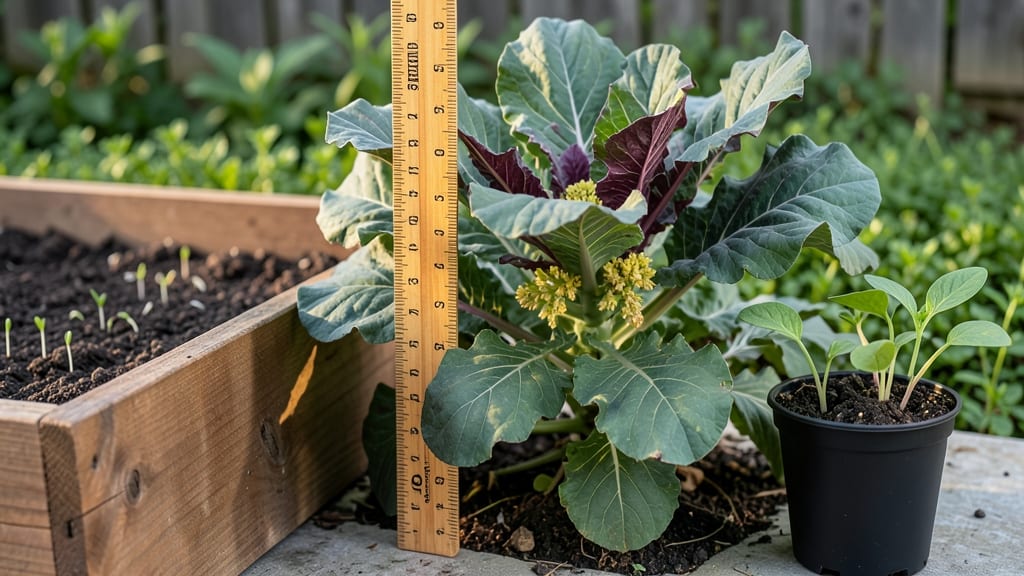
How tall can a mustard seed grow? Towering plants that reach heights of 10 feet or more are possible, depending on the variety and growing conditions.
Imagine planting a tiny mustard seed and watching it grow into a towering giant—some varieties can reach heights that rival small trees, defying expectations with their rapid growth and impressive stature. 🥬
Most gardeners are familiar with the compact mustard greens, which stay under 2 feet, but certain species like Brassica juncea or ornamental mustards can shoot up dramatically. These fast-growing plants thrive in the right soil and sunlight, making them a surprising addition to any garden.
In this guide, I’ll break down the height ranges of different mustard varieties, share tips for encouraging maximum growth, and explain how to space them properly for optimal results—whether you’re growing them for leaves, flowers, or even seeds.


Mustard plant growth heights: from dwarf varieties to towering giants
When you think of mustard plants, you might picture the familiar leafy greens in your salad bowl—but some varieties can grow into towering giants that reach heights of 10 feet or more.
The height of a mustard plant depends entirely on its species and variety, with genetic traits determining whether it stays compact or shoots skyward like a rapidly growing tree.
Most gardeners grow mustard greens (Brassica juncea) or oriental mustard for their tender leaves, which typically max out around 1-2 feet tall.
However, other mustard family members—like wild mustards (Sinapis arvensis) or giant mustard (Brassica carinata)—can dwarf these common varieties, stretching toward sunlight-starved treetops if given the right conditions.
Here’s what influences a mustard plant’s height: genetics (some species are hardwired for height), growing conditions (sunlight, soil nutrients, and water), and even pruning habits. For instance, mustard plants in poor soil may stay short, while those in rich, well-drained earth with full sun exposure can shoot up dramatically.
The tallest mustard species, like Ethiopian mustard (Brassica carinata), can grow up to 10 feet tall under ideal conditions. These giants are often cultivated for their oil-rich seeds rather than their foliage, and their woody stems make them look more like small trees than typical garden vegetables.
If you’re growing mustard for edible leaves, dwarf varieties like ‘Tendergreen’ or ‘Southern Giant Curled’ stay under 2 feet and produce abundant harvests. Meanwhile, taller varieties like ‘Red Giant’ or ‘Osaka Purple’ can reach 3–4 feet and are prized for their bold flavors and striking colors.
One surprising factor in mustard plant height is competition for sunlight. In crowded gardens, mustard plants may grow taller and leggier as they stretch toward light. To encourage compact, bushy growth, space plants 12–18 inches apart and ensure they receive at least 6 hours of sunlight daily.
For gardeners in cooler climates, mustard plants may grow taller in response to shorter daylight hours during autumn. This is because some mustard species bolting (flowering) quickly when days grow shorter, triggering rapid vertical growth.
If you’re growing mustard for leaf production, you’ll want to harvest frequently to prevent bolting and maintain a shorter, leafier plant.
Soil fertility also plays a role: Nitrogen-rich soil promotes leafy growth, while phosphorus-heavy soil can encourage taller stems. If you’re aiming for maximum height, amend your soil with compost or bone meal before planting.
For shorter, bushier plants, use a balanced fertilizer with equal parts nitrogen, phosphorus, and potassium.
Whether you’re growing mustard for salad greens, seeds, or just admiring its rapid growth, understanding these height variations helps you choose the right variety for your garden goals. With the right conditions, even a tiny mustard seed can become a towering garden statement! 🌱
How to grow mustard plants to their maximum height
To coax your mustard plants into reaching their maximum height, focus on creating ideal growing conditions. These fast-growing plants respond dramatically to proper care, especially when it comes to soil nutrition, sunlight exposure, and watering consistency.
I’ve found that even dwarf varieties can grow taller with the right approach, while giant species like Brassica juncea can easily exceed 6 feet under optimal conditions.
One of the biggest factors is soil quality. Mustard plants thrive in well-draining, nutrient-rich soil with a pH between 6.0 and 7.0. Amending your garden beds with compost or aged manure before planting gives them the phosphorus and nitrogen they need to shoot upward.
I always add a balanced fertilizer at planting time to give them a strong start.
Key Tips to Maximize Mustard Plant Height
- 🌱 Sunlight: Provide 6+ hours of full sun daily—giant varieties need even more to reach their peak.
- 💧 Watering: Keep soil consistently moist but avoid waterlogging, which stunts growth.
- 🌿 Spacing: Plant seeds 12-18 inches apart in rows to prevent overcrowding and allow stems to grow tall.
- 🌡️ Temperature: Start seeds indoors if your climate drops below 50°F—cool weather slows growth.
- ✂️ Pruning: Remove lower leaves to direct energy upward, but avoid cutting into the main stem.
For maximum height, I recommend planting in early spring when temperatures are mild. Mustard plants grow fastest in 60-70°F conditions, so avoid planting during extreme heat or cold snaps. If you’re growing ornamental varieties, like Brassica juncea ‘Purple Wand,’ they can reach 8-10 feet with proper care and support.
Another trick I use is trellising for taller varieties. Installing a sturdy trellis or bamboo stakes early on gives the plants something to climb, reducing the risk of them toppling over. This also improves air circulation, which prevents fungal diseases that can weaken stems and limit height.
Finally, don’t forget to harvest strategically. If you’re growing mustard for greens, harvesting the outer leaves encourages the plant to focus energy on stem growth. For seed production, let the plants mature fully—some varieties can produce 4-foot-tall flowering stalks before seeding.
With these tips, you’ll be amazed at how quickly your mustard plants can grow—some even outpacing their expected height ranges! The key is patience and consistency, and soon you’ll have a garden full of towering mustard giants. 🌳