
Planting
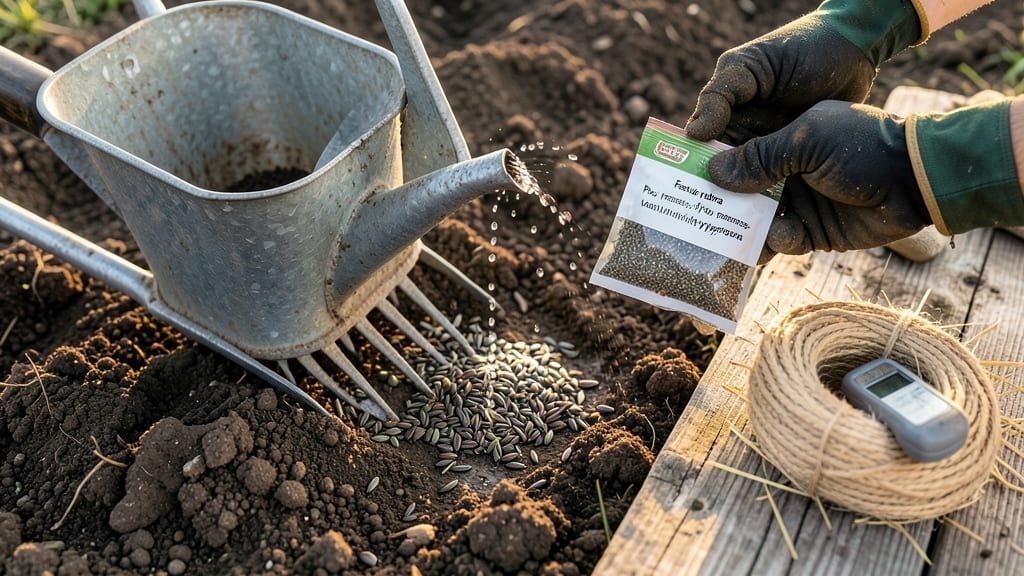
Sowing grass seed in September gives you a head start on a lush lawn before winter sets in—cool soil temperatures and fewer weeds make this the ideal window for cool-season grasses.
Picture this: You’ve spent months dreaming of a vibrant lawn, only to watch spring planting fail because of unpredictable weather or stubborn weeds. September flips the script—it’s the sweet spot for germination, with just enough warmth to kickstart growth while avoiding the summer heat or late-fall frost.
But timing isn’t the only factor. Soil prep, seed selection, and regional climate all play a role in whether your new grass takes root.
Whether you’re in USDA Zone 6a or a warmer southern region, this guide breaks down the steps to maximize success—plus, how to avoid common pitfalls like late-season weeds or winter kill.
From soil testing to watering schedules, I’ll walk you through everything you need to know to turn September into your lawn’s best planting month—no matter where you live.
Why September is the best time to sow grass seed (and how to maximize success)
September offers the perfect window for sowing grass seed because cool temperatures and moderate rainfall create ideal conditions for seed germination. Unlike spring planting, where weeds and pests compete aggressively, September’s milder climate gives grass seedlings a head start before winter dormancy.
This is especially true for cool-season grasses, which thrive when planted in late summer or early fall.
In most USDA zones 3-8, September’s 60-75°F soil temperatures are ideal for seedling establishment. The key is planting 4-6 weeks before the first frost date, allowing roots to develop deeply before winter.
For example, in Zone 5, aim for early September, while Zone 7 can extend planting until late September or early October.
One of the biggest advantages of September planting is the reduced competition from weeds and pests. Summer weeds like crabgrass have already peaked by late August, and cool-season pests haven’t yet become active.
Additionally, humidity levels drop, reducing the risk of fungal diseases that often plague spring plantings. This means your grass seedlings can focus their energy on root development rather than fighting off invaders.
September also allows grass to establish deep root systems before winter. When spring arrives, your lawn will be 1-2 weeks ahead of spring-planted grass because it’s already 40-50% rooted by frost. In contrast, spring-planted seeds often struggle with drought stress and competing weeds during their critical growth phase.
The cooler nights in September also slow down seedling growth just enough to prevent over-extension, which can weaken young plants.
However, timing is critical—planting too late in September risks early frost damage before seeds germinate. Always check your local frost dates and aim to finish planting 6 weeks before the first expected frost.
For example, in Chicago (Zone 5), this means wrapping up by mid-October, while in Atlanta (Zone 7b), you might extend until early November. Use a soil thermometer to confirm temperatures are consistently below 80°F before sowing.
Another key factor is moisture retention. September often brings steady rainfall, reducing the need for frequent irrigation. However, if your area experiences dry spells, plan to water daily for the first 2 weeks to keep the soil consistently moist but not waterlogged.
Overwatering can lead to seed rot, while underwatering causes poor germination. Aim for 1 inch of water per week, applied in the early morning to minimize evaporation.
For regions with warm-season grasses (like Bermuda or Zoysia), late September can still work if you choose fast-establishing varieties and protect seedlings with lightweight frost cloth if early frosts threaten. However, these grasses are better suited for spring or early summer planting in most climates.
The real advantage of September lies with cool-season grasses, which include Kentucky bluegrass, tall fescue, and perennial ryegrass—all of which thrive when sown
Step-by-step guide to preparing soil and planting grass seed in September
September’s cool soil temperatures (60–75°F) and reduced weed competition create the perfect conditions for sowing grass seed. But rushing the process can lead to uneven germination or frost damage. To ensure your new lawn thrives, follow these critical steps—from soil prep to post-planting care—tailored for September’s unique climate.
Start by gathering your essential tools: a soil test kit, garden rake, lawn aerator (or spike shoe), broadcast spreader, and a watering system (hose with nozzle or sprinkler). Skipping soil testing is a common mistake—it can reveal pH imbalances or nutrient deficiencies that stunt growth.
Aim for a pH between 6.0 and 7.0 for most cool-season grasses.
One of the biggest mistakes I see is watering inconsistently. Grass seed needs constant moisture to germinate, but overwatering can wash seeds away or cause rot. If your area experiences early September heatwaves, prioritize morning watering to reduce evaporation and fungal growth.
After 4–6 weeks, your seedlings should be 2–3 inches tall and ready for their first mow. Use a sharp mower blade set to 3 inches to avoid scalping. Resist the urge to fertilize until the grass has established roots—wait until spring or early fall for the first feeding.
With these steps, your September-sown grass will outperform spring plantings by avoiding summer heat stress and establishing deep roots before winter. Just remember: patience is key—cool-season grasses need time to mature, but the payoff is a thicker, greener lawn by spring.