
Lawn
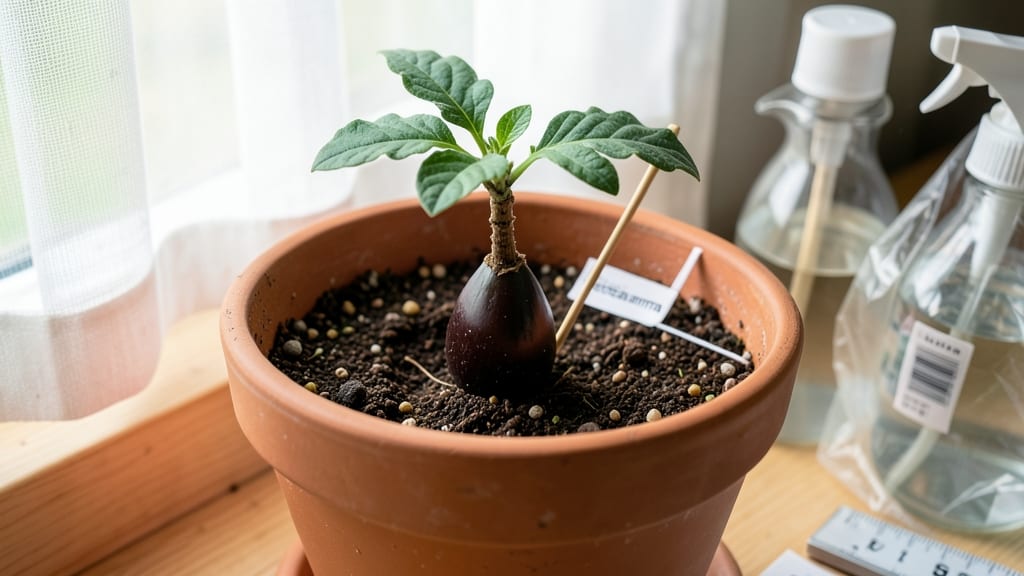
Putting an avocado seed in dirt at the right time determines whether your 🥑 tree thrives or fizzles out before it starts.
Most gardeners rush the process, planting too soon when the seed isn’t ready—or waiting too long and risking mold. The truth? Soil temperature, seed readiness, and even your climate zone play a bigger role than you might think.
In this guide, I’ll walk you through the exact soil temperature ranges that trigger germination, when to start indoors vs. outdoors, and how to spot a seed that’s truly ready for planting.
You’ll also discover the 3 signs your seedling is strong enough to handle transplanting, plus how to adjust your timeline for colder or warmer climates.
Optimal soil temperature ranges for planting avocado seeds
Avocado seeds (Persea americana) need precise soil temperature conditions to germinate successfully. The ideal range is between 60°F and 80°F—too cold, and germination stalls; too hot, and the seed may dry out or rot.
This window ensures enzymes activate properly, breaking dormancy and kickstarting root growth. Understanding these thresholds helps you avoid common pitfalls like mold or delayed sprouting, especially in cooler climates or indoor setups.
Most gardeners overlook how regional climate affects planting timing. In USDA Zones 9-11, you can plant seeds outdoors year-round, but in Zones 7-8, wait until soil warms to 70°F+ in spring.
For Zone 6 or colder, start seeds indoors under grow lights to control warmth. Even a 5°F drop below 60°F can halt germination for weeks.
Testing soil warmth is simpler than you think. Use a soil thermometer (insert 2-3 inches deep) or a DIY method**: press your finger into the soil—if it feels cooler than your wrist, it’s too cold.
Aim for warmth that mimics summer conditions, especially for outdoor planting. Pro tip: Place pots on a seedling heat mat ($10-$15) to maintain consistent temperatures indoors.
Here’s how soil temperature directly impacts germination stages:
- Below 60°F: Enzymes slow; roots may not emerge for 2+ months.
- 60°F–69°F: Slower but steady growth (3–6 weeks to sprout).
- 70°F–79°F: Optimal speed (1–3 weeks to sprout).
- Above 80°F: Risk of fungal growth or seed desiccation.
🌡️ Comparison Table: Soil Temp vs. Germination Speed
| Soil Temp (°F) | Germination Time | Best For | Troubleshooting |
|---|---|---|---|
| Below 60°F | 6–12 weeks | Zone 6 or colder | Use heat mat; delay planting |
| 60°F–69°F | 3–6 weeks | Early spring/fall | Cover with plastic wrap |
| 70°F–79°F | 1–3 weeks | Ideal year-round | Monitor moisture closely |
| Above 80°F | 1–2 weeks (risky) | Hot climates | Shade cloth required |
For indoor starters, place your seed in a clear jar with toothpicks (the classic method) near a sunny window or under a grow light. Maintain 70°F–75°F near the jar to speed up root growth.
If your home runs cooler, group jars together—their combined warmth helps. Once roots hit 2–3 inches, transplant into well-draining potting mix (60% peat, 30% perlite, 10% compost).
Outdoor planting requires patience in cooler regions. Wait until nighttime temps stay above 55°F (typically after last frost, usually mid-April in Zone 7). Harden off seedlings by moving them outdoors for 2–3 hours daily over 1–2 weeks before permanent planting.
In Zone 10+, you can plant seeds directly into warm soil anytime, but mulch heavily to retain moisture.
Cold-weather delays are common but manageable. If your seed sits 4+ weeks without sprouting in 60°F soil, it may be non-viable. Test by gently squeezing—if it’s mushy, discard it.
For stubborn seeds, try soaking in warm water (75°F) for 24 hours before replanting. Never use hot water, as it can kill the embryo. Patience is key: some seeds take up to 8 weeks to germinate in cool conditions.
Pro tip: Pair soil warmth with consistent moisture. Avocado seeds need 60–70% humidity to germinate. Use a spray bottle to mist soil daily (avoid soggy conditions).
Once sprouted, reduce to every 2–3 days. Overwatering is a top killer—yellowing leaves signal root rot. Always use pots with drainage holes to prevent waterlogging.
Regional adjustments matter. In Florida or California, plant seeds outdoors in March–April for summer harvests. In Texas or Arizona, avoid peak summer heat (above 9
Step-by-step germination timeline: from seed to soil
Timing your avocado seed’s journey from toothpick stage to soil is the difference between a thriving seedling and a failed experiment. Most seeds need 4-8 weeks to develop roots and a sturdy stem before they’re ready for dirt.
The key is tracking root growth, stem thickness, and leaf development—not just days on the calendar.
Below is my proven week-by-week timeline with actionable steps to ensure your seedling transitions smoothly from water to soil. I’ve included critical milestones like root emergence and first leaves, plus when to adjust for slower or faster growth based on your climate.
🌱 Avocado Seed Germination Checklist
- Week 1-2: Place seed in water with toothpicks, ensuring half the seed is submerged. Change water every 2-3 days to prevent mold. Look for tiny white roots emerging from the bottom.
- Week 3-4: Roots should reach 1-2 inches. A small stem (1-2 inches tall) will sprout from the top. Keep the seed in water but increase air circulation to avoid rot.
- Week 5: First leaves appear (1-2 small, dark green leaves). Roots may grow to 3+ inches. This is the last week to keep it in water—prepare a small pot with drainage.
- Week 6: Plant the seedling 1 inch deep in well-draining soil (mix potting soil with perlite). Water lightly and place in bright, indirect light (avoid direct sun).
- Week 7-8: Seedling should have 3-4 leaves and a thickened stem. Gradually introduce morning sunlight (2-3 hours/day). Fertilize lightly with diluted fish emulsion if leaves look pale.
- Week 9-12: Transplant to a larger pot (6+ inches) if roots circle the current container. By now, your seedling should be 6+ inches tall with hardened leaves—ready for outdoor acclimation.
Pro Tip: If your seedling grows slower (e.g., roots take 6+ weeks), keep it in water 1-2 weeks longer but monitor for root rot (black, mushy roots).
Most gardeners make the mistake of rushing the water stage or planting too soon. Wait until your seedling has at least 2 leaves and a 1-inch stem—this ensures it can support itself in soil.
If you’re in a cooler climate, extend the water phase by 1-2 weeks to compensate for slower growth.
Once planted, keep the soil moist but not soggy and avoid direct sunlight for the first week. Yellowing leaves? You’re either overwatering or giving too much light too soon. Adjust gradually, and your avocado seedling will thrive.
Remember: Patience is key. Avocado trees grown from seed can take 10+ years to bear fruit, but starting with the right timing gives your tree the best possible foundation. Track your progress with the checklist above, and you’ll have a healthy seedling in no time! 🌿