Plants
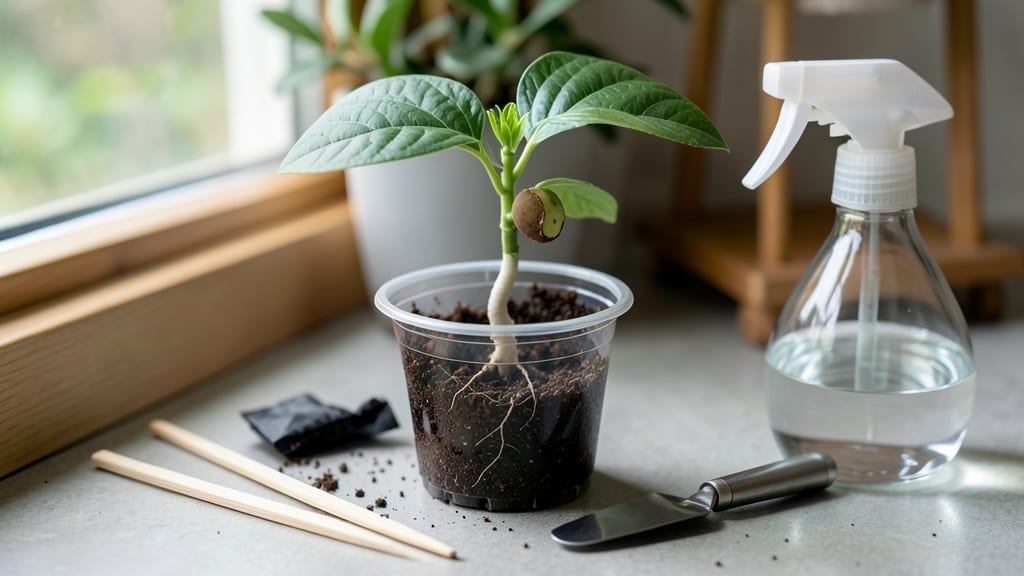
Planting an avocado seed in soil at the right time can mean the difference between a thriving 🥑 sapling and a sad, rotting pit.
Growing an avocado tree from a seed is a rewarding project—but timing your planting wrong can mean weeks of waiting instead of thriving growth. The secret to 80% germination success lies in understanding your climate zone and the ideal window to plant avocado seeds in soil.
In warmer zones like 9b–11, you can start anytime, but in colder areas (like Zone 6), the best time is February–March, about 6–8 weeks before your last frost. If you wait too long, your seed might rot before it even sprouts.
Below, I’ll break down the exact planting windows by zone, how to prep your seed for faster germination, and the one mistake that kills most avocado seedlings before they even get started.
Best planting months for avocado seeds by USDA hardiness zones
Timing is everything when planting avocado seeds in soil—especially since these tropical trees thrive in warm climates and struggle with cold snaps. In USDA Zones 8–11, you can plant seeds year-round, but spring and summer offer the best conditions for 80% germination success.
For Zones 6–7, start seeds indoors 6–8 weeks before last frost to avoid transplant shock.
Avocado seeds need consistent warmth (70–85°F) to sprout, making indoor prep essential in cooler zones. Once roots develop (usually 2–4 weeks), you can transition to soil—either in pots or outdoors after all frost risk has passed.
The key is balancing soil temperature and humidity to mimic their native tropical environment.
Here’s a zone-by-zone breakdown of the best months to plant avocado seeds in soil, including indoor prep timelines and outdoor transplant windows:
| USDA Zone | Best Indoor Start Month | Outdoor Planting Window | Soil Temp Requirement | Key Considerations |
|---|---|---|---|---|
| Zone 8 (10–20°F) | February–March | April–May (after last frost) | 65–75°F | Protect from light frosts; use row covers if needed. |
| Zone 9 (20–30°F) | Year-round (indoors) | March–November | 70–80°F | Can plant outdoors anytime—just avoid winter chills. |
| Zone 10 (30–40°F) | Year-round (indoors) | Year-round (outdoors) | 75–85°F | Ideal for direct soil planting—no frost risk. |
| Zone 11 (40°F+) | Year-round (indoors) | Year-round (outdoors) | 80–90°F | Best for fastest germination—plant anytime. |
| Zone 6 (0–10°F) | February–March | June–July (after last frost) | 70–80°F (indoors) | Keep indoors until stable warmth; use grow lights if needed. |
In Zone 8, aim to plant seeds indoors by February so they’re ready for outdoor transplanting by April or May, once nighttime temperatures stay above 50°F.
Zones 9–11 offer the most flexibility—you can plant seeds directly in soil year-round, but spring and summer still provide the fastest germination due to higher soil temperatures.
For Zone 6 gardeners, patience is key. Start seeds indoors in February or March and keep them near a south-facing window or under grow lights until roots reach 6+ inches.
Only then should you transplant to soil, ideally in June or July, after the last frost date has passed.
One critical mistake I see is rushing outdoor planting. Avocado seedlings are extremely frost-sensitive—even a light freeze (32°F) can kill young plants. Always monitor your local frost-free date and err on the side of waiting an extra week if temperatures fluctuate.
Pro tip: Use a soil thermometer to confirm temperatures are above 65°F before planting outdoors. Cold soil slows germination by 30–50%, so don’t skip this step. In warmer zones, summer planting (June–August) often yields the healthiest seedlings because of consistent moisture and long daylight hours.
If you’re in a transition zone (Zone 7a), treat it like Zone 6 for indoor starts but transplant slightly earlier—aim for late May if your area has a short growing season.
Mulching heavily around the base helps regulate soil temperature and retain moisture, which is especially helpful in dry climates like Southern California or Arizona.
Remember, avocado trees grown from seed may take 5–13 years to bear fruit, but proper planting timing sets the stage for a healthy, fast-growing tree. Whether you’re in frost-prone Zone 6 or tropical Zone 11, following these zone-specific guidelines will maximize your chances of success.
How to prep avocado seeds before soil planting for faster germination
Prepping your avocado seed before planting in soil can accelerate germination by 30%—the difference between waiting months and seeing sprouts in 2–4 weeks. The key steps involve soaking the seed, encouraging root growth, and knowing exactly when to transfer to soil.
Whether you're in Zone 6 or Zone 11, these methods ensure your seedling gets off to a strong start.
First, remove the seed from the avocado pit and clean off any remaining fruit with a damp paper towel. This prevents mold and ensures the seed gets the oxygen it needs to sprout.
Next, insert 3–4 toothpicks around the middle of the seed—this creates a stable way to suspend it over water without letting it sit submerged, which can cause rot.
Here’s the exact step-by-step process to prep your avocado seed for soil planting, including the critical root development stage that determines when to move it outdoors:
-
Step 1: Soak the Seed
Fill a shallow container with 2–3 inches of water and suspend the seed (toothpicks-down) so the bottom half is submerged. Change the water every 2–3 days to prevent bacterial growth. Soaking time: 5–7 days (roots should reach 2–3 inches). -
Step 2: Monitor Root Growth
Place the container in a warm, sunny spot (70–85°F). Roots should emerge within 3–5 days of soaking. Once roots reach 2–3 inches, it’s time to transition to soil. -
Step 3: Choose Your Soil
Use a well-draining potting mix (avoid garden soil—it’s too dense). Add perlite or sand (20%) to improve aeration. For outdoor planting, amend native soil with compost to boost fertility. -
Step 4: Plant the Seed
Fill a 6-inch pot (or outdoor spot) with soil and make a 1-inch-deep hole. Gently place the seed so the roots are covered but the top half remains exposed. Press lightly to secure. -
Step 5: Water and Wait
Water until moisture seeps from the bottom of the pot. Place in bright, indirect light (avoid direct sun for the first week). Germination typically occurs in 1–2 weeks after soil planting. -
Step 6: Transplant Outdoors
Wait until all frost risk has passed (check your zone’s last frost date). Harden off the seedling by gradually exposing it to outdoor conditions over 7–10 days before permanent planting.
One common mistake I see is planting the seed too deep or using soil that’s too compact. Avocado seeds need oxygen at the base to sprout, so keep the top half exposed even after planting.
If you’re in a cooler zone (Zone 6–7), delay outdoor planting until soil temperatures reach 65°F or higher—cold soil can stall germination for weeks.
For faster growth, place your potted seedling near a south-facing window or under grow lights (12–14 hours/day). Once the seedling reaches 6–12 inches tall, you can transplant it to a larger pot or outdoors, depending on your climate.
In warmer zones (Zone 9–11), you can plant directly in soil after root development, but always mulch heavily to retain moisture and regulate temperature.
Pro tip: If your seedling’s first leaves are yellow, it’s often a sign of overwatering. Avocado seedlings prefer moist but well-draining soil—water only when the top inch feels dry.
With the right prep, your avocado seed can go from pit to healthy sapling in just 8–12 weeks!