
Plants
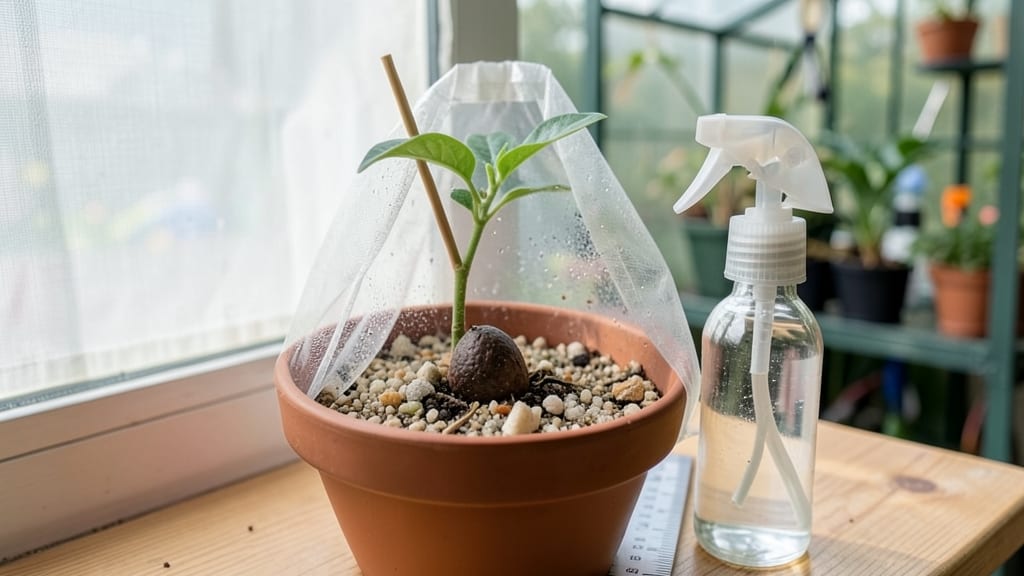
Planting an avocado seed in soil at the right time can turn a simple kitchen experiment into a thriving 🥑 tree—if you follow the science, not just the guesswork.
Most people rush this step, thinking faster planting means faster growth. But timing it wrong can leave you with a seed that rots, stalls, or never sprouts at all. The truth? Patience and the right conditions are the key to unlocking that first green shoot.
Whether you're growing indoors year-round or prepping for spring outdoors, the ideal window depends on temperature, humidity, and even your local climate zone.
I’ll break down the exact months to plant, how to tell when your seed is ready, and the fastest way to coax it into life—no matter where you live.
By the end, you’ll know not just when to plant, but how to set your seed up for success from day one. Let’s get started.
Optimal timing for planting avocado seeds in soil: seasonal and climate guide
Timing your avocado seed planting is everything—especially since these seeds thrive in warmth and humidity. The ideal temperature range for germination is 70–85°F, which means your planting window shifts dramatically between USDA hardiness zones and indoor vs. outdoor conditions.
In colder climates, you’ll likely start indoors in late winter, while tropical gardeners can plant year-round with proper care.
Most gardeners make the mistake of planting too early or too late, leading to slow germination or seed rot. The key is matching your seed’s readiness with your local climate.
For example, in Zone 9–11, you can plant outdoors almost anytime, but in Zones 3–7, waiting until after the last frost is critical. Let’s break down the exact months and conditions for success.
| Climate Zone | Best Planting Window | Indoor vs. Outdoor | Germination Time | Pro Tip |
|---|---|---|---|---|
| Zones 3–7 (Cold Climates) | March–May (indoors) / May–June (outdoors) | Start indoors in warmth; transplant outdoors after frost | 4–8 weeks | Use a heat mat to maintain 75–80°F |
| Zones 8–10 (Temperate) | Year-round (indoors) / March–October (outdoors) | Outdoor planting in spring/fall for best results | 3–6 weeks | Mulch heavily to retain moisture |
| Zones 11+ (Tropical) | Year-round (indoors/outdoors) | Direct sow in well-draining soil anytime | 2–4 weeks | Shade seedlings from direct sun initially |
| Southern Hemisphere | September–November (spring) | Outdoor planting aligns with warmer months | 3–5 weeks | Use clear plastic domes for humidity |
If you’re in the Northern Hemisphere, aim for planting between March and May to align with rising temperatures. For example, in Zone 7, I start my seeds indoors in early March using a seedling heat mat to maintain the ideal 75–80°F range.
By late May, when soil temperatures reach 65°F, I transplant outdoors after hardening off the seedlings for 2 weeks.
In Southern Hemisphere regions, the timing flips—plant in spring (September–November) when days warm up. For instance, in Australia, gardeners often start seeds in September to ensure germination before summer’s heat peaks. The key is avoiding extreme heat or cold snaps, which can stall growth or cause seed rot.
Temperature is the single biggest factor in germination speed. Seeds planted in 60°F or below may take 8+ weeks to sprout, while those in 80°F+ can emerge in just 2–3 weeks.
To speed things up, I place my pots near a south-facing window or under grow lights for 12+ hours daily. If your home is too cool, a simple DIY heat source like a warm water bottle wrapped in a towel works wonders.
Humidity also plays a role—especially indoors. Avocado seeds need 60–70% humidity to germinate. If your home is dry (like many in winter), cover the pot with clear plastic wrap or use a humidity dome.
I’ve seen seeds sprout in half the time when kept in a humid environment. Just remember to ventilate daily to prevent mold.
One common mistake is planting seeds too deep. Avocado seeds should sit ½ inch below soil with only the top ¼ inch exposed. Burying them deeper can suffocate the sprout.
I use a toothpick to hold the seed upright while it germinates, ensuring it doesn’t tip over as roots form. This small step can double your success rate.
Finally, be patient—even under perfect conditions, germination can take 4–12 weeks. I’ve had seeds sprout in 2 weeks (with heat and humidity) and others take
5 Signs your avocado seed is ready for soil (and 3 critical mistakes to avoid)
Waiting for your avocado seed to sprout is half the battle—knowing when to plant it in soil is the other half. If you move too soon, you risk drowning delicate roots or shocking the seedling.
But if you wait too long, you might miss the perfect window for strong growth. I’ve learned the hard way that timing is everything, especially when dealing with avocado seed germination.
The key is watching for specific physical cues that tell you the seedling is ready to transition from water to soil. These signs aren’t just about size—they’re about root development and stem stability.
Ignoring them can lead to transplant shock or even death. Let’s break down what to look for and what to avoid.
Long roots signal the seedling can support itself in soil. Measure from the base—anything shorter risks breakage.
A sturdy, pencil-thick stem (about ½ inch) means it’s strong enough to handle soil pressure.
Cotyledons (seed leaves) are temporary. Wait for 2–3 glossy green leaves—this means the seedling can photosynthesize on its own.
If roots add ½ inch per week, the seedling is ready. Slower growth? Wait another week.
Healthy roots smell clean. Musty or rotten smells mean the seed is decomposing—don’t plant it.
Now, let’s talk about the three critical mistakes that derail even the most eager gardeners. First, overwatering is the silent killer. Avocado seedlings drown faster than they dehydrate, and soggy soil invites root rot.
I’ve seen seeds planted too soon because the grower thought “more water = faster growth.” Wrong. Keep the soil moist but not wet—think of a damp sponge, not a swamp.
Second, poor drainage turns your pot into a death trap. Avocado seeds hate sitting in waterlogged conditions. Use a pot with drainage holes and a cactus/succulent mix blended with perlite.
I’ve buried seeds in regular potting soil only to watch them suffocate. Test your mix: If water pools on top after 10 minutes, it’s too dense.
Third, transplant shock strikes when you rush the move. Even if your seedling looks ready, sudden exposure to soil can stress it. To avoid this, acclimate it gradually: Start by burying the roots halfway in soil for a day, then adjust over 3–5 days.
I once planted a seedling directly into the ground and lost it within a week—don’t make my mistake.
Pro tip: If your seedling meets all five signs but you’re still nervous, plant it in a larger pot first. This gives you a buffer to adjust care without risking the roots.
Once it’s thriving for 2–3 weeks, you can transplant it outdoors or into a bigger container. Patience here pays off with a healthier, faster-growing tree.