
Plants
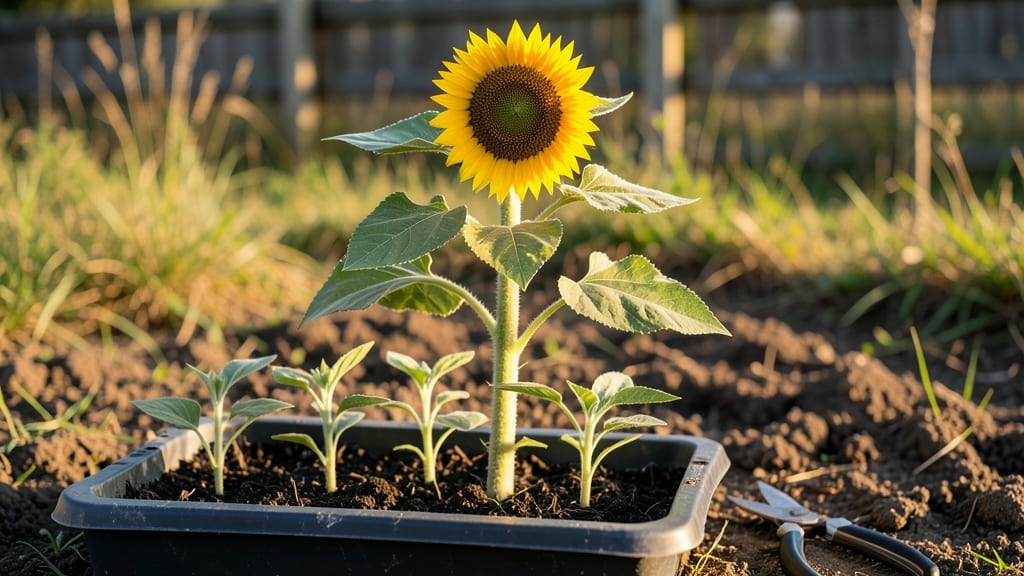
Planting sunflower seeds in NC at the right time means the difference between 12-foot giants and sad, stunted stalks.
Sunflowers aren’t just cheerful additions to your garden—they thrive in North Carolina’s diverse climate, but planting them at the wrong time can mean wilting disappointment instead of towering blooms. Timing is everything, especially when NC’s microclimates range from coastal humidity to mountain chill.
If you’ve ever watched your 🌻 seeds sprout only to be fried by a June heatwave or frozen by a late April frost, you know how critical the calendar is. The key? Planting after your last frost date—but not so late that summer’s swelter cuts their growth short.
Below, I break down the exact windows for spring and fall planting by region, plus pro tips for handling NC’s unpredictable weather. No more guessing—just bold, reliable blooms from your garden.
North Carolina sunflower planting dates by region: coastal vs Piedmont vs mountains
North Carolina’s three distinct regions—coastal plains, Piedmont, and mountains—create wildly different growing conditions for sunflowers. While coastal areas enjoy longer growing seasons, mountain zones face earlier frosts and cooler soils.
To maximize your sunflower’s potential, aligning your planting with your local last frost date is critical. Let’s break down the ideal windows for each region, including adjustments for heat tolerance and bloom timing.
In the coastal plains (USDA Zones 8a-8b), warmer temperatures allow sunflowers to thrive year-round, but timing still matters. The last frost date typically falls around March 15, giving you a head start compared to inland areas.
For the Piedmont region (Zones 7a-7b), last frosts average March 31, while the mountains (Zones 6a-6b) can see frosts as late as April 15. These differences mean your coastal sunflowers might bloom 4-6 weeks earlier than their mountain counterparts.
Here’s how to adjust your planting schedule based on your region to ensure vibrant blooms and strong stalks:
| Region | Last Frost Date | Ideal Planting Window | Heat Tolerance Notes | Bloom Period |
|---|---|---|---|---|
| Coastal Plains | March 15 | Mid-March to early May (primary) or late July (fall) | High humidity; choose drought-resistant varieties like 'Autumn Beauty' | June–October |
| Piedmont | March 31 | Early April to mid-May (primary) or early August (fall) | Moderate heat; standard varieties perform well | July–September |
| Mountains | April 15 | Late April to early June (primary) or late July (fall) | Cooler soils; opt for fast-maturing varieties like 'Teddy Bear' | August–October |
If you’re planting in the coastal region, you can start seeds indoors as early as February for a jumpstart, but direct sowing after your last frost date works just as well.
The Piedmont’s moderate climate allows for a broader window, but avoid planting too early—soil temperatures below 50°F can stunt germination. Mountain gardeners should prioritize fast-maturing varieties to avoid late-season frosts cutting blooms short.
For all regions, a fall planting window (late July to early August) can yield stunning late-season blooms. Coastal sunflowers planted in fall may even overwinter in milder microclimates, providing early spring color.
However, mountain gardeners should stick to late July plantings to ensure seeds mature before the first frost in mid-October.
Heat tolerance is another critical factor. Coastal areas experience higher humidity levels, which can lead to fungal issues like powdery mildew. To combat this, choose drought-resistant varieties and ensure adequate spacing for airflow.
In contrast, mountain regions benefit from cooler nights, which can extend the blooming season if planted early enough.
To extend your sunflower season, consider using row covers or black plastic mulch to warm the soil in cooler regions. This technique can push your planting window back by 2-3 weeks, especially in the mountains.
Conversely, coastal gardeners can experiment with shade cloth during peak summer heat to protect young seedlings from intense sunlight.
Timing your sunflower planting isn’t just about avoiding frost—it’s about aligning with your region’s natural bloom cycles. Coastal sunflowers may reach their peak in July and August, while mountain varieties shine in September and October.
By tailoring your choices to your microclimate, you’ll enjoy sunflowers that thrive, not just survive.
Pro tip: Mark your calendar for the average first frost date in your area (coastal: November 15, Piedmont: November 1, mountains: October 15) and count backward from your desired bloom period. This simple math ensures your sunflowers reach maturity before the chill sets in.
With the right timing, your North Carolina garden can transform into a sea of golden blooms, from the sandy shores to the misty mountains. Happy planting! 🌻
How to adjust sunflower planting for NC’s unpredictable weather patterns
North Carolina’s weather can shift faster than a summer storm, leaving gardeners scrambling to protect their sunflower seedlings from late frosts or scorching heatwaves. Sunflowers are resilient, but they need strategic adjustments to thrive in NC’s 6a-8b climate zones.
The key lies in preparing your soil, timing your plantings, and choosing the right varieties for your local microclimate.
One of my biggest lessons came after a late-April frost wiped out my early spring sunflower seedlings. That year, I learned to wait until mid-May in the Piedmont and even later in the mountains, where frosts can linger until early June.
But timing isn’t just about avoiding frost—it’s also about beating the summer heat that can stress young plants before they establish deep roots.
⚠️ callout warning ⚠️
While most gardeners focus on spring frosts, fall frosts in October can also damage sunflowers. If planting for late-season blooms (July-August), use row covers or choose fast-maturing varieties (60-70 days) to harvest before first frost. Mountain regions face earlier risks—plan for October 15 as your cutoff date.
To combat unpredictable weather, I start by warming my soil before planting. Spread black plastic mulch 2-3 weeks before your target date to raise soil temperatures by 5-10°F. This trick works especially well in coastal NC, where cooler ocean breezes delay warming.
For mountain gardeners, consider cold frames or planting in south-facing slopes where soil warms faster.
For frost protection, I’ve had great success with cloches or fabric row covers for young seedlings. These lightweight covers trap heat during the day and protect against 28-32°F drops at night.
Another trick? Plant sunflowers near corn or tall grasses—the windbreak effect can shield them from frost damage. And always check your local NC State Extension frost maps for real-time updates.
When it comes to drought, NC’s variable rainfall demands preparation. Choose drought-tolerant varieties like ‘Autumn Booster’ or ‘ProCut’ for reliable blooms. Once established, sunflowers need 1-2 gallons of water per week, but deep watering every 5-7 days encourages deeper root growth.
In my Piedmont garden, I’ve seen sunflowers survive 30-day dry spells with just one deep soaking every two weeks.
Finally, adjust your planting schedule based on your sunflower’s maturity timeline. Fast varieties (60-70 days) can handle late July plantings for fall blooms, while standard varieties need mid-April to early June start dates.
For extended harvests, stagger plantings every 2-3 weeks—this ensures continuous blooms and seed production through NC’s August-October growing window.