
Container Gardens
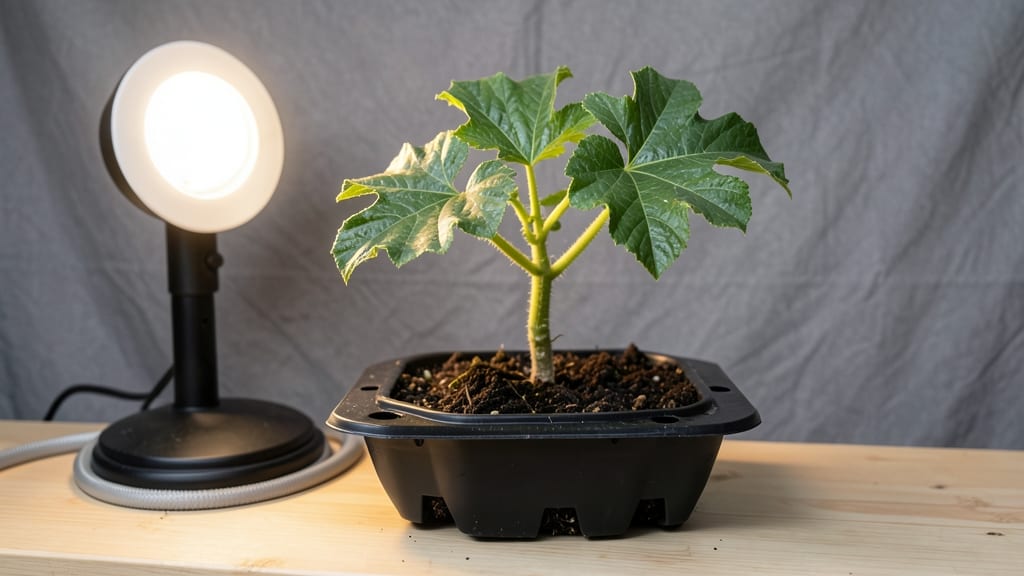
Starting winter squash seeds indoors 2-4 weeks before your last frost is the key to healthy, vigorous plants ready to thrive in the garden 🎃.
Miss that window, and you risk leggy seedlings or a harvest that arrives too late for storage. But get it right, and you’ll enjoy squash that ripens just as the first chill arrives—perfect for curing and keeping through winter.
Your exact start date depends on your zone, but Zone 6a gardeners should begin around mid-March for a late-summer harvest. Below, I’ll break down the ideal weeks by zone, plus how to adjust for early or late harvests.
You’ll also learn how to avoid common pitfalls like overwatering or poor lighting, ensuring your seedlings stay strong until transplant time.
Winter squash indoor starting timeline by USDA planting zones
Getting your winter squash seeds started indoors at the right time means the difference between vigorous transplants and weak, leggy seedlings. Since winter squash varieties like butternut and acorn take 80-120 days to mature, timing your indoor start ensures they're ready for the garden when soil temperatures hit 70°F+.
Your USDA zone determines the perfect window—too early, and you'll battle damping off; too late, and your harvest arrives after frost. Let's break down the zone-by-zone schedule for winter squash seed starting.
Most gardeners aim to transplant winter squash seedlings outdoors 2-4 weeks after your last frost date. Since winter squash thrives in warm soil, this timing ensures they mature before fall frosts.
For example, in Zone 5 (last frost around May 15), you'd want seedlings ready by June 1-15, meaning indoor starts should begin 8-10 weeks earlier. In warmer Zone 10, where frost is rare, you can start seeds as late as May for a fall harvest.
The key is calculating backward from your first frost date minus the plant's maturity days.
Here's the summary table with exact weeks to start winter squash seeds indoors by USDA zone, including popular varieties like butternut, acorn, and pumpkin:
For Zone 3-5 gardeners, starting seeds in late March ensures robust seedlings ready for transplant by early June. In these cooler zones, use grow lights to prevent leggy seedlings, as natural daylight is still short.
I recommend placing trays under LED grow lights for 14-16 hours daily once sprouts emerge. In Zone 6-7, where last frosts arrive earlier, you can push starts to early April for a mid-summer transplant. This window works especially well for acorn squash, which matures
How to adjust your start date for early or late harvests
If you want to extend your winter squash harvest or adapt to your local climate challenges, adjusting your start dates is key. Shorter growing seasons in cooler zones or late frosts can delay planting, while early starts help secure fall harvests before frost.
The trick is balancing seedling maturity with outdoor conditions—here’s how to fine-tune your timing.
For early harvests, start winter squash seeds indoors 6–8 weeks before your last frost date. This gives seedlings enough time to mature before summer heat peaks, ensuring fruits ripen by fall.
In Zone 4 or colder, where summers are short, begin indoors by late March to transplant by early June and harvest by September.
Need a fall harvest extension? Stagger plantings by 2–3 weeks—start a second batch 4–6 weeks after your first. This creates a continuous production window and spreads out your workload.
For example, in Zone 7, sow seeds indoors in early March and again in mid-April for harvests in late summer and fall.
- 📅 Calculate frost-free days: Subtract your first frost date from your last frost date to find your growing window. Winter squash needs 80–120 days to mature.
- ⏳ Start early for fall harvests: Begin seeds 6–8 weeks before your last frost date to ensure fruits ripen before frost. Example: In Zone 5, start by mid-March for a September harvest.
- 🌡️ Adjust for soil warmth: Wait until soil reaches 70°F+ before transplanting. Use a soil thermometer to avoid cold shock.
- 🔄 Stagger plantings: Sow a second batch 2–3 weeks after the first for a continuous harvest. Ideal for short-season zones (Zones 3–5).
- 🌱 Use grow lights for early starts: If starting before natural light increases, supplement with 14–16 hours of light daily to prevent leggy seedlings.
In shorter growing seasons (Zones 3–5), consider fast-maturing varieties like ‘Early Prolific Straightneck’ (75 days) or ‘Waltham Butternut’ (85 days). These give you a better chance of harvesting before frost.
For longer seasons (Zones 8–10), you can afford to start later—late March to early April—and still enjoy a fall harvest.
Pro tip: Use a planting calendar to track your adjustments. Note your actual harvest dates each year to refine future start times. Over time, you’ll perfect your schedule for reliable squash production—no more wasted seeds or missed harvests!
Don’t forget: Light and warmth are your allies. If your indoor space is dim, use grow lights to speed up seedling growth. And always harden off seedlings for 7–10 days before transplanting to reduce shock.