
Plants
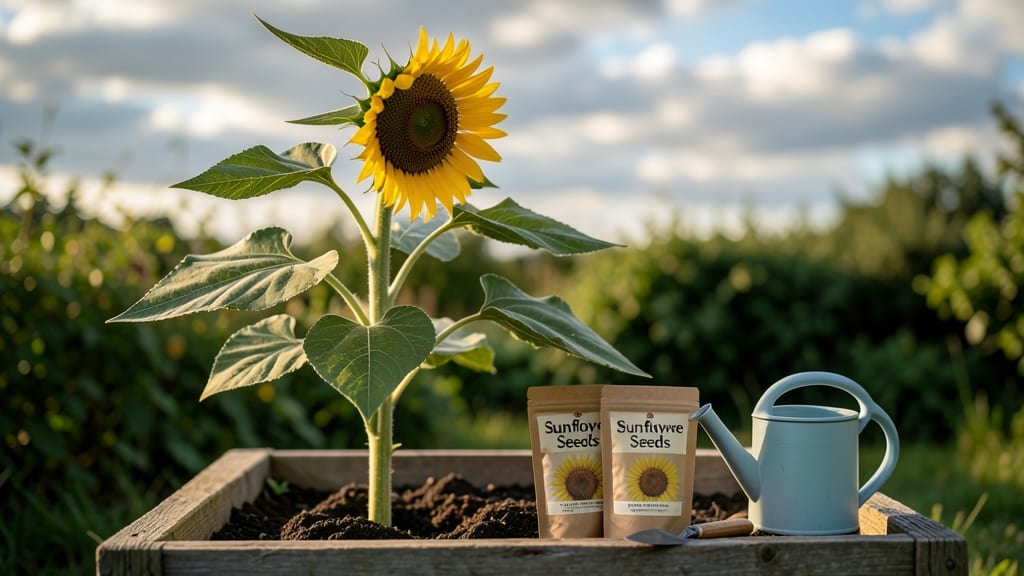
Planting sunflower seeds outside after your last frost date is the key to those towering, cheerful blooms 🌻 that brighten up summer.
Picture this: you’ve waited all winter for the chance to grow sunflowers, only to rush outside in late spring and realize the soil is still too cold or the frost is lingering. One wrong move, and your seeds either rot or sprout too early, only to be nipped by frost.
That’s why knowing your USDA zone—and when to act—makes all the difference between a thriving garden and a disappointing flop.
In most regions, like Zone 6a, the ideal window opens in late spring—think May or early June—when soil temperatures hit a steady 50°F or warmer. But timing shifts north to south: cooler climates get a later start, while warmer zones might even squeeze in a fall planting.
The secret? Matching your seeds to your local frost dates and soil conditions ensures your sunflowers grow tall, strong, and ready for harvest by late summer.
Below, I’ll break down the exact planting times by zone, share tricks for adjusting your schedule, and reveal the three biggest mistakes that kill sunflower dreams before they even begin. Let’s get those seeds in the ground the right way!
Best planting times for sunflower seeds by USDA zone
Sunflowers thrive when planted after the last frost date, but the exact timing varies dramatically across USDA zones 3-11. In colder climates like Zone 3, you'll need to start seeds indoors or wait until early June, while Zone 10 gardeners can plant year-round with minimal frost risk.
Each zone has specific windows for early, mid, and late-season varieties to maximize blooms before fall frost.
Your local last frost date is the most critical factor—planting too early risks frost damage to young seedlings, while waiting too long may result in sunflowers bolting before full maturity.
For example, in Zone 5, where last frosts average April 15-30, you can safely plant outdoors by May 1, but in Zone 8, you have flexibility from March 15 through September 1.
Below is a zone-by-zone breakdown of ideal planting windows, including recommendations for early, mid, and late-season varieties to extend your sunflower season. Always verify your local frost dates using the National Weather Service or USDA Plant Hardiness Map for precision.
| USDA Zone | Last Frost Date | Early Varieties (Days to Mature: 50-60) | Mid-Season (Days to Mature: 70-90) | Late Varieties (Days to Mature: 90-120) |
|---|---|---|---|---|
| 3-4 | May 15 - June 1 | Start indoors March 15; transplant June 1 | Direct sow June 15 | Not recommended (risk of frost) |
| 5 | April 15 - May 1 | Direct sow May 15 | Direct sow May 1 - June 15 | Direct sow June 15 - July 1 |
| 6 | April 1 - April 15 | Direct sow April 20 | Direct sow April 1 - June 1 | Direct sow June 15 - July 15 |
| 7 | March 15 - April 1 | Direct sow March 20 | Direct sow March 1 - July 1 | Direct sow July 15 - August 15 |
| 8 | February 15 - March 15 | Direct sow February 20 | Direct sow February 1 - September 1 | Direct sow September 15 - October 15 |
| 9-10 | January 1 - February 15 | Direct sow January 20 | Direct sow January 1 - November 1 | Direct sow November 15 - December 15 |
| 11 | No frost | Plant anytime (avoid extreme heat) | Plant anytime (avoid extreme heat) |
How to adjust planting time for early or late bloomsIf you love sunflowers but live in a short growing season, don't miss out! Adjusting your planting time can extend your blooming season from early summer to late fall. With the right strategies, you can enjoy those cheerful 🌻 faces for months instead of weeks. Here's how to make it happen. For early blooms, start seeds indoors 4-6 weeks before your last frost date. This gives young plants a head start and lets them mature faster once transplanted outside. Choose fast-maturing varieties like 'Early Bird' or 'Teddy Bear' for the quickest results.
To push your blooming season later, try planting late-season varieties like 'Moulin Rouge' or 'Autumn Beauty' in mid-July. These varieties thrive in cooler temperatures and will reward you with stunning fall color. Just be sure to give them plenty of sunlight and water as summer winds down. Another clever trick is using floating row covers to create a warmer microclimate. These lightweight fabrics can extend your growing season by 2-3 weeks in both directions. Simply drape them over your sunflowers after planting and remove them during the day for pollination. They're especially helpful in cooler climates like USDA zones 3-5. Don't overlook dwarf varieties if space is limited. These compact plants (2-4 feet tall) grow well in containers or small gardens and can be planted later than standard varieties. Try 'Sunspot' or 'Little Becka' for reliable late-season blooms that won't flop over in windy conditions. Remember that soil temperature matters just as much as air temperature. Sunflower seeds need soil that's at least 55°F (13°C) to germinate properly. Use a soil thermometer to check before planting, especially if you're adjusting your schedule for early or late seasons. With these adjustments, you'll enjoy sunflowers from early summer through crisp fall days. |