
Plants
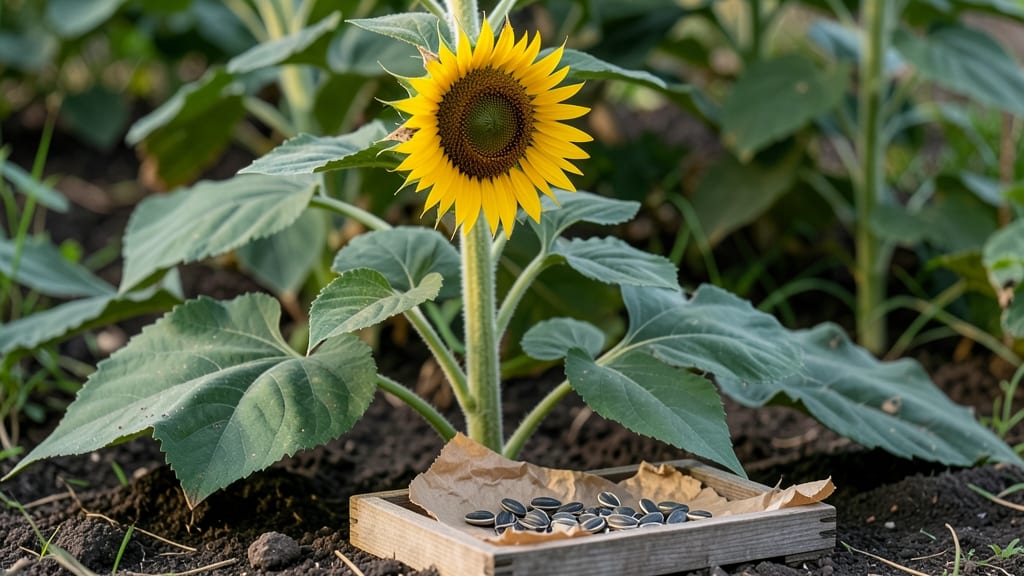
Planting sunflower seeds in Colorado depends on your elevation, but the best time is when soil warms to 50°F—usually mid-April to early May for most regions.
Colorado’s diverse elevations—from high-altitude plains to mountain valleys—create unique challenges for sunflower growers. Planting at the wrong time can mean stunted growth or missed blooms, but timing it right guarantees towering, vibrant sunflowers that thrive in the Rockies.
If you’re in Denver or Colorado Springs, aim for two weeks after your last frost, while high-altitude areas like Fort Collins may need to wait until late May. The key is soil temperature, not just calendar dates.
Below, I’ll break down the exact timing for your region, plus pro tips for pre-sprouting seeds in cooler climates to jumpstart growth and ensure those bold, cheerful blooms you’re dreaming of.
Colorado altitude zones: sunflower planting dates by elevation
Colorado's dramatic elevation shifts—from the Front Range at 5,000 feet to the High Plains at 7,000+ feet—mean sunflowers need precise timing to thrive. In lower elevations like Grand Junction, warm soil arrives by mid-April, while Denver and Colorado Springs wait until late May for safe planting.
These differences create a 6-week window between zones, and getting it wrong can leave your sunflowers struggling.
Sunflowers (Helianthus annuus) love warmth and hate frost. They need soil temperatures above 55°F (13°C) to germinate, which happens 2–4 weeks earlier at lower elevations. High-altitude areas like Fort Collins or Boulder may need to wait until early June to avoid late frosts.
The key is tracking your local last frost date and adjusting for soil warmth, not just air temperature.
Here’s how to match your elevation to the perfect planting window:
For the Western Slope, where cities like Grand Junction enjoy early springs, start sowing sunflower seeds directly in the garden as soon as soil warms to 55°F (13°C). This typically lands in mid-April, giving sunflowers a 100+ day growing season before first frost.
If you’re in Fruita, aim for May 1 to avoid late cold snaps that can kill young seedlings.
In the Front Range, including Denver and Colorado Springs, patience is key. Wait until late May when nighttime temperatures stay above 50°F (10°C). Use black plastic mulch to warm soil faster if needed—this can shave off 1–2 weeks of waiting.
For Colorado Springs, June 1 is a safer bet to avoid unexpected frost.
High-altitude areas like Fort Collins or Boulder require the latest planting dates, often early June. These zones have shorter growing seasons, so opt for early-maturing varieties like 'Autumn Beauty' (55–60 days) or 'Moulin Rouge' (60–65 days).
If you miss the window, consider container growing near your home’s south side to extend the season.
Sunflowers need full sun (6+ hours daily), but Colorado’s thin air means they grow faster at higher elevations. In Grand Junction, expect 10–12 foot stalks by late summer, while Denver’s sunflowers may max out at 8 feet due to cooler nights.
Always plant seeds 1 inch deep and 6–12 inches apart, thinning to 18–24 inches as they grow.
If you’re unsure about your local frost dates, check the Colorado Climate Center or use a frost calendar app. For example, Grand Junction’s last frost is April 15 on average, but Denver’s can linger until May 31.
Adjust your planting by 2–3 weeks if your area has a history of late frosts—better safe than sorry with these sun-loving giants!
For a second planting, try late July in lower elevations (like Grand Junction) to catch a fall harvest. Just ensure seeds have 90+ days until your first frost. In Colorado Springs, this window closes by August 15, so plan accordingly.
Remember: Soil temperature matters more than air temperature. A 50°F (10°C) day with 60°F (16°C) soil is perfect for planting, while a 70°F (21°C) day with 45°F (7°C) soil will leave you waiting
How to adjust sunflower planting for Colorado’s unpredictable weather
Colorado’s weather can be as dramatic as its mountain vistas—one day it’s warm enough to plant, the next you’re shoveling snow. Sunflowers, while resilient, need a little extra help to thrive in these conditions.
The key is preparing your soil, protecting young plants, and having backup planting windows to ensure those iconic blooms appear despite Mother Nature’s whims.
Late spring snowstorms, sudden hail, and rapid temperature swings can derail even the most well-planned garden. But with the right strategies—like soil warming, protective covers, and staggered planting—you can outsmart Colorado’s weather and still enjoy sunflowers that reach for the sky.
Let’s break down how to give your sunflowers the best fighting chance.
Sunflower seeds need soil temps of 50–60°F to sprout. Use black plastic mulch or soil warming blankets 2–3 weeks before planting to jumpstart germination in cooler areas like Denver or Fort Collins.
Deploy floating row covers or cloches to shield seedlings from hail or late frosts. Remove covers once plants hit 12 inches tall to avoid overheating.
Plant 3 sets of seeds every 10–14 days in May. This ensures blooms over a longer period, even if one batch gets hit by unexpected cold snaps.
Opt for ‘Autumn Beauty’ or ‘Moulin Rouge’, which tolerate cooler temps better than standard varieties. These thrive even if planted as late as mid-June in Colorado Springs.
If you’re gardening in high-altitude areas like Leadville or Durango, consider starting seeds indoors 4–6 weeks before your last frost date. Transplant seedlings outdoors once soil warms to 55°F and nighttime temps stay above 40°F. This head start can make all the difference in a short growing season.
Don’t forget to monitor your local weather forecasts in the days leading up to planting. If a late frost is predicted, delay planting or use cold frames to create a microclimate.
Sunflowers are tough, but giving them a little extra care in Colorado’s unpredictable climate ensures they’ll reward you with bold, cheerful blooms all summer long.
With these adjustments, you’ll turn Colorado’s weather challenges into opportunities—your sunflowers will stand tall and proud, no matter what the forecast brings. Happy gardening! 🌻