
Plants
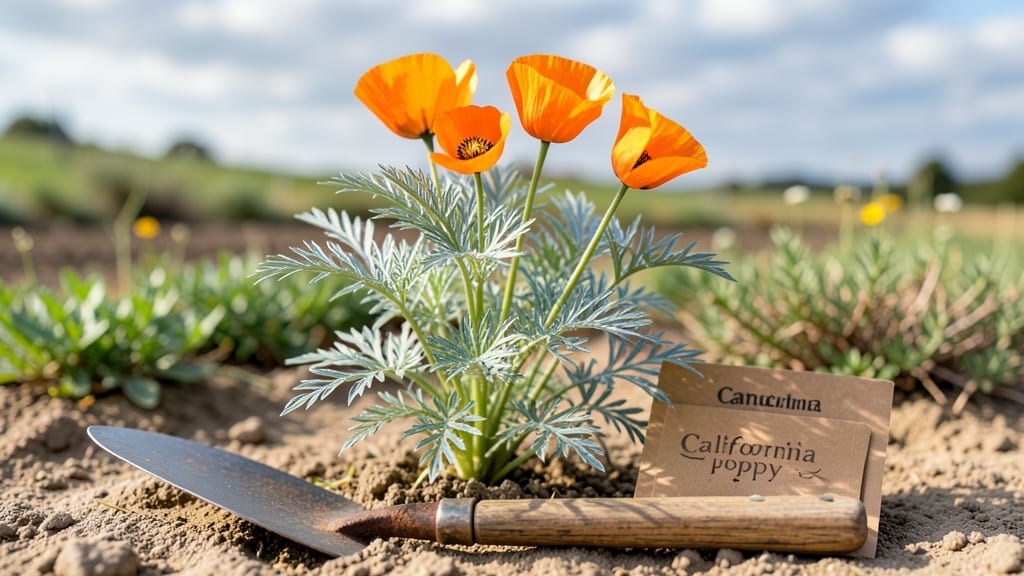
Planting poppy seeds in Colorado means timing them to avoid late frosts and maximize vibrant blooms 🌸 — aim for late March to early May or early September to mid-October, depending on your elevation.
Colorado’s dramatic elevation shifts and unpredictable frost dates can turn poppy planting into a high-stakes guessing game. Get it wrong, and your poppies may never bloom, but nail the timing, and you’ll unlock their full potential—whether you’re growing California poppies for drought-resistant beauty or Icelandic poppies for cold-hardy charm.
Most Colorado gardeners focus on the Front Range, where last frosts average around April 15, but high-altitude areas like Steamboat Springs can face frosts well into May. That’s why adjusting your planting window by 1-2 weeks based on your specific elevation zone is the key to success.
In this guide, I’ll break down the best planting windows for your exact location, share soil temperature tricks to speed up germination, and reveal which poppy varieties thrive best in Colorado’s USDA Zones 5-7. No more guessing—just reliable, elevation-specific advice for your garden.
Colorado’s frost-free planting zones for poppy seeds by elevation
Colorado’s three distinct elevation zones create wildly different planting conditions for poppy seeds. At 5,280 feet in Denver, last frost typically arrives by April 15, while Steamboat Springs at 6,700 feet can see frost until May 10.
These shifts mean your California poppy seeds planted in March near Fort Collins might freeze, while the same seeds thrive in Grand Junction’s lower elevation by February. Understanding these zones helps you time your planting for optimal germination and vibrant blooms.
Poppies are cool-season annuals that germinate best in 50-60°F soil. In Colorado’s USDA Zones 5-7, this means waiting until soil warms after frost risk passes.
High-altitude areas like Leadville (Zone 6) may need to delay planting until late May, while Pueblo (Zone 6a) can start as early as March. The key is matching your elevation to local frost-free averages while accounting for microclimates like urban heat islands or sheltered valleys.
Here’s how Colorado’s three main elevation zones differ for poppy planting:
Elevation isn’t the only factor—microclimates can shift planting by weeks. For example, Denver’s downtown might see last frost by April 1, while nearby foothills could experience frost until May 5. Always check local weather stations or use a soil thermometer to confirm readiness.
In high-altitude areas like Aspen (7,800 ft), I’ve found that Icelandic poppies germinate best when planted in late May, even though the zone suggests earlier dates.
Fall planting is also viable in Colorado’s lower elevations. In Grand Junction (Zone 6b), I’ve successfully sown Corn poppy seeds as late as September 15, with blooms appearing the following spring.
The key is ensuring seeds germinate before first frost—aim for 6–8 weeks before your local average. For Steamboat Springs (Zone 5), this means August 1–15 at the latest.
Poppy seeds need light to germinate, so avoid burying them. Instead, scatter seeds on well-drained soil and press lightly. In Colorado’s dry climates, I recommend mixing seeds with sand to improve distribution.
After planting, use mulch to retain moisture without smothering seeds. For high-altitude gardens, a clear plastic tunnel can extend the season by 2–3 weeks by trapping heat.
Watch for late frosts, which can devastate young seedlings. In Fort Collins, I’ve lost entire poppy patches to April frosts despite planting on schedule. To protect your investment, consider row covers or cloche protection until plants reach 4 inches tall.
For Oriental poppies, which are more cold-hardy, you can push planting slightly earlier—even 2 weeks before the average last frost date in your zone.
Colorado’s drought conditions mean poppies thrive with minimal water once established. However, newly planted seeds need consistent moisture to germinate. In dry years, I’ve had better success with drip irrigation set to water twice daily for the first week.
After germination, reduce to weekly deep watering to encourage strong root development. Remember, poppies are drought-toler
How to adjust poppy planting for Colorado’s unpredictable weather patterns
Colorado’s late frosts and temperature swings can derail even the most careful poppy gardener. Unlike predictable climates, Colorado’s elevation zones create microclimates where Denver’s last frost might be April 15, but Steamboat Springs could see snow in May.
The key is adapting your planting strategy to these unpredictable patterns—whether through soil warming, protective mulching, or adjusting seed depth for delicate varieties like Icelandic poppies.
Most gardeners default to direct sowing in spring, but Colorado’s fall planting window (early September to mid-October) often yields stronger starts. The trick lies in seed depth adjustments: California poppies thrive with 1/8-inch coverage, while Oriental poppies need 1/2-inch depth to survive colder soils.
Even a 10°F temperature drop can stall germination, so black plastic mulch or row covers become your best friends during late spring.
Here’s how to balance direct sowing vs. indoor starts for Colorado’s climate—each has pros and cons that depend on your elevation zone and poppy variety.
Direct Sowing in Colorado
- Hardier seedlings—acclimated to local soil
- No transplant shock—poppies hate root disturbance
- Cheaper—no seed trays or grow lights
- Better for high elevations—avoids altitude stress
- Late frosts risk—seeds may rot if planted too early
- Slower germination in cold soils (50°F minimum)
- Weed competition—poppies grow slowly at first
- Hail damage—young plants vulnerable in storms
Indoor Starts for Colorado
- Earlier blooms—6-8 weeks head start
- Controlled conditions—warmer, pest-free
- Better for low elevations (e.g., Colorado Springs)
- Stronger roots—transplants handle drought better
- Transplant shock risk—poppies hate root disturbance
- Costly setup—grow lights, trays, heat mats
- Overcrowding if seedlings grow too fast
- Not ideal for high elevations—altitude stress
💡 Tip: For high-altitude areas (7,000+ ft), direct sow after May 1 with row covers until soil warms to 55°F.
For soil warming, try these Colorado-proven methods:
- Black plastic mulch: Raises soil 10-15°F faster than bare earth.
- Straw mulch: Insulates roots during nighttime temperature drops.
- Cold frames: Extend the season by 3-4 weeks in spring/fall.
Adjust seed depth based on your poppy variety and microclimate:
- California poppies: 1/8-inch deep—they need light to germinate.
- Oriental poppies: 1/2-inch deep—protects from soil heaving in freeze-thaw cycles.
- Icelandic poppies: Scatter on surface—they thrive in cold, rocky soils.
Protect young plants from hail and wind with cloches or shade cloth. In Western Slope areas, where sudden hailstorms are common, plant near windbreaks like shrubs or fences. And remember: poppies are drought-tolerant, but established roots need deep watering every 10-14 days once blooming begins.
By combining smart timing, soil protection, and variety-specific care, you’ll turn Colorado’s unpredictable weather into an advantage—your poppies will reward you with bold blooms from May through July. 🌻