
Plants
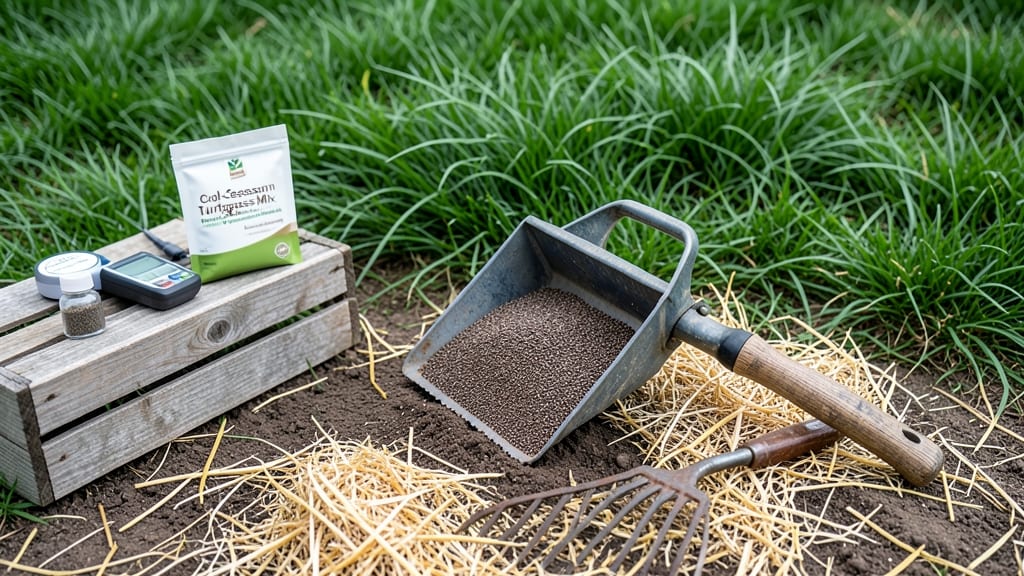
Planting grass seed in Nebraska at the right time means the difference between a lush lawn and months of patchy, struggling growth 🌱 — and the key isn’t just the calendar date.
Picture this: You’ve spent your hard-earned money on premium grass seed, only to watch it sit in the soil for weeks without sprouting because the ground was too cold. Or worse, you plant in late summer and the heat dries out the seeds before they can take root.
These mistakes happen more often than you’d think, but the fix is simple: timing based on soil temperature, not just the weather forecast.
Nebraska’s USDA Zones 5a-6b give you two prime windows—early spring (March-April) and early fall (August-September)—but hitting the right soil temperature (between 50°F and 65°F) is what actually triggers fast germination.
Below, I break down exactly when to plant by month, how to check your soil’s readiness, and the one trick that cuts germination time in half.
Skip the guesswork and learn how to align your planting with Nebraska’s microclimates, from Omaha’s humid summers to the drier west. By the end, you’ll know not just when to plant, but how to set your grass up for success from day one.
Best planting times for Nebraska grass seed based on soil temperature
Nebraska's variable climate makes timing critical for grass seed germination. Cool-season grasses like Kentucky Bluegrass and Tall Fescue thrive when soil temps hit 50-65°F, while warm-season Buffalo Grass prefers 65-75°F. Planting outside these ranges risks slow growth, disease, or seed failure.
Spring and fall are your best windows—but Nebraska’s USDA Zones 5a-6b mean regional differences. Eastern Nebraska’s milder winters allow earlier spring planting, while western areas need to wait for consistent warmth. Let’s break down the ideal soil temperatures and microclimate adjustments for your lawn’s success.
🌱 Pro Tip: Use a soil thermometer (available for $10-$15) to check depths of 2-4 inches—this is where seeds actually germinate. Nebraska’s average last frost (April 15) and first frost (October 15) bookend your planting seasons.
For cool-season grasses, aim to plant 4-6 weeks before Nebraska’s average first frost (October 15). This gives seedlings time to establish roots before winter.
In eastern Nebraska (Omaha, Lincoln), you can start as early as late February if soil temps reach 50°F—but watch for late frosts that can damage tender sprouts.
Western Nebraska’s drier climate and colder nights delay ideal planting until mid-April.
If you’re in Panhandle or western regions, wait until soil stays consistently above 55°F for 5+ days. Buffalo Grass, Nebraska’s native warm-season grass, can handle drought better but needs warmer soils—so plant after May 15 in most areas.
Fall planting offers cooler soil and fewer weeds, but timing is tight. Seedlings need 6-8 weeks to establish before first frost. In eastern Nebraska, shoot for mid-August; in western areas, late August to early September works best.
Avoid planting after September 15—new growth won’t harden off before winter.
🌡️ Soil Temp Check: Use this rule of thumb: If your morning lows dip below 40°F at night, cool-season grass won’t germinate well. Warm-season grasses stall below 60°F. Nebraska’s spring soil warms fastest in south-facing slopes—plant there first if your yard has uneven terrain.
Microclimates matter! Urban areas (like Omaha) retain heat longer, while rural or elevated sites cool faster. If your lawn sits in a low spot, it may stay 5°F cooler than higher ground.
Adjust your planting date 1-2 weeks later for these zones. Shady lawns also cool slower—plant 2 weeks earlier in spring to compensate.
After planting, consistent moisture is key—water lightly daily (not deep) until germination (7–21 days). Nebraska’s windy springs can dry soil fast, so mulch with straw to retain moisture. Once grass reaches 3 inches, reduce watering to 1–1.5 inches per week to encourage deep roots.
Remember: Fast germination depends on soil temp + moisture. If your soil thermometer reads below 50°F in spring or above 75°F in summer, wait. Nebraska’s unpredictable weather means flexibility—check forecasts for 3+ days of stable temps before planting to avoid stressing your new grass.
Nebraska grass seed germination timeline by month and grass type
Understanding the germination timeline for your Nebraska grass seed saves time and money. Each grass type—Kentucky Bluegrass, Tall Fescue, and Buffalo Grass—has a unique window for sprouting, and Nebraska’s three distinct regions (Omaha, Lincoln, and western zones) add complexity.
Below, I’ve mapped out month-by-month germination based on soil temperatures and regional frost patterns.
For cool-season grasses like Kentucky Bluegrass and Tall Fescue, germination typically takes 7–21 days when soil temps are between 50°F–65°F. In contrast, warm-season Buffalo Grass germinates in 14–30 days at 65°F–75°F.
Nebraska’s spring frost risks and fall’s early freezes mean timing is everything—plant too early, and cold snaps stall growth; too late, and seedlings won’t establish before winter.
In Omaha, where humidity lingers longer, cool-season grasses can germinate as early as mid-March if soil reaches 50°F.
However, late frosts (common until April 15) mean waiting until after April 1 reduces risks. Lincoln’s slightly drier climate allows a 1-week earlier start, while western Nebraska’s colder soils delay planting until April 15 or later.
For Buffalo Grass, Nebraska’s native drought-tolerant option, May 15–June 15 is ideal across all regions. This warm-season grass won’t germinate well until soil hits 65°F, which typically occurs 2–3 weeks later than cool-season grasses.
In western Nebraska, where summers arrive earlier, you can plant as early as May 1—but avoid late June, when heat stress slows germination.
Fall planting in Nebraska offers a second chance for success, but the clock runs out fast. Seedlings need 6–8 weeks to establish before first frost (October 15).
In Omaha, aim for mid-August; in Lincoln, early August works; and in western zones, wait until late August to avoid early freezes. Buffalo Grass planted in fall won’t survive Nebraska’s winters, so focus on cool-season varieties only.
Pro Tip: Use straw mulch after planting to retain moisture and speed germination. Nebraska’s windy conditions can dry soil fast, especially in western regions. Water lightly daily (not deep) until sprouts appear—this keeps seeds hydrated without washing them away.
Once germination starts, reduce watering to 1–1.5 inches per week to encourage deep root growth.
Remember: Soil temperature trumps the calendar. If your soil thermometer reads below 50°F in spring or above 75°F in summer, wait. Nebraska’s unpredictable weather means checking daily forecasts for 3+ days of stable temps before planting.
With this timeline, your grass will germinate faster and establish stronger roots—no more wasted seed or patchy lawns.