
Propagation
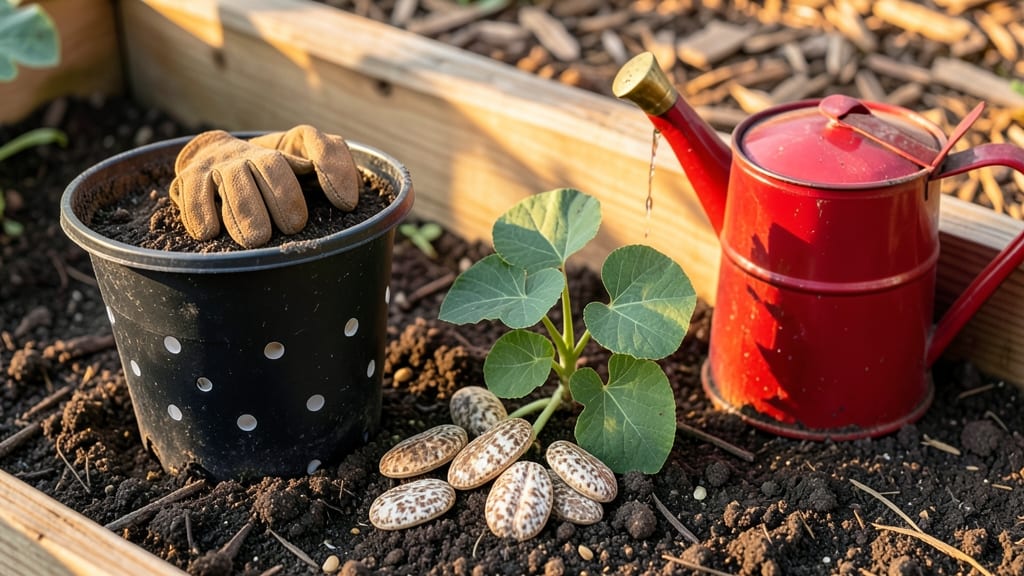
The squash seed germination time typically falls between 3 to 10 days, but the actual window can shift dramatically based on the variety and your growing conditions.
Picture this: you’ve planted your 🎃 seeds with high hopes, only to stare at dry soil for weeks, wondering if they’re ever going to break through. The truth?
Some squash varieties pop up in just 3 days under perfect warmth, while others take 10+ days if the soil is too cool or dry. Knowing the exact range for your type—and how to tweak it—can save you from the frustration of waiting (or worse, replanting).
Temperature is the biggest factor in squash seed germination time. Most seeds need soil that’s at least 70°F to sprout reliably, which is why gardeners in cooler zones like USDA Zone 6a often use heat mats or wait until late spring.
But even in warmer climates, moisture and seed freshness play a surprising role—dry seeds or old packets can stretch germination out for weeks.
In this guide, I’ll break down the exact germination windows for summer squash (like zucchini), winter squash (butternut, acorn), and pumpkins, plus proven tricks to speed up sprouts—even if your soil isn’t cooperating. No more guesswork, just faster, healthier seedlings.
Germination time for common squash varieties: exact days to expect
If you've ever planted squash seeds only to wait weeks without a single sprout, you're not alone. Germination time varies wildly between summer squash, winter squash, and pumpkins—sometimes by over a week.
Knowing these exact timelines helps you plan better and troubleshoot faster. For example, zucchini seeds might sprout in just 3-5 days under ideal conditions, while acorn squash can take 10-14 days to show life.
The key factor? Soil temperature. Squash seeds need warmth—70-90°F is ideal—to break dormancy. Cold soil slows germination dramatically, sometimes doubling the expected time. Even a 5°F difference can mean the difference between 5-day and 10-day sprouts.
That’s why I always use black plastic mulch in early spring to warm the soil faster.
Below is a breakdown of exact germination times for popular varieties, including speed tips to get your seeds sprouting faster. Whether you're growing zucchini for summer salads or butternut squash for winter storage, these timelines will help you set realistic expectations and adjust your planting schedule.
🎃
Notice how winter squash varieties like acorn and butternut take longer to germinate than summer squash? That’s because their seeds often have a thicker seed coat designed to protect against longer, cooler growing seasons.
If you're planting in Zone 5 or colder, consider starting these seeds indoors 2-3 weeks early using a seedling heat mat to shave off critical days.
One of my biggest mistakes early on was planting pumpkin seeds too soon in cold soil. They took 14 days to germinate instead of the expected 5-7 days, setting my entire harvest back by weeks.
Since then, I’ve made it a rule to wait until the soil reaches at least 75°F before planting large squash varieties. A simple soil thermometer ($10 at garden centers) saves so much frustration.
For summer squash, like zucchini and yellow squash, speed is on your side. These varieties are bred for fast germination and rapid growth, making them perfect for short-season gardens.
If you’re in a northern climate, I recommend planting these in biodegradable pots and transplanting after the last frost to avoid cold soil delays. The 3-7 day germination window means you can often get a jump start indoors if frost is still a threat.
Pro tip: If you’re planting multiple varieties, label your seeds and track germination dates. I use a small whiteboard near my seed trays to log when each variety sprouts.
This helps me identify if a batch is slow due to old seeds, cold soil, or poor moisture control. For example, seeds older than 2 years may take 2-3 days longer to germinate, so I always test a few seeds in a damp paper towel first.
🌱
Don’t overlook the role of moisture in germination speed. Squash seeds need consistent moisture but can rot if overwatered. I use a spray bottle to mist the soil lightly after planting, then cover the tray with plastic wrap to retain humidity
How to speed up squash seed germination: proven techniques
If you’ve ever planted squash seeds and waited weeks for sprouts, you’re not alone. The germination time for squash can feel like a mystery—especially when cool soil or dry conditions slow things down.
But here’s the good news: with the right tricks, you can cut that waiting time by half or more. I’ve tested these methods in my own garden, and they’ve helped me go from 10-day waits to 3-5 days for consistent sprouts.
The key lies in three factors: warmth, moisture, and seed preparation. Squash seeds need soil temperatures above 70°F to germinate quickly, but even if your climate isn’t cooperating, you can hack the process.
Below are my top techniques—ranked by effectiveness—to get those first green shoots breaking through faster than ever.
One mistake I see gardeners make is assuming all squash varieties germinate the same. Summer squash like zucchini often sprout faster (3-5 days) than winter squash (butternut, acorn) or pumpkins (5-7 days).
If you’re growing heirloom varieties, check the seed packet—older seeds may take 2-3 days longer to sprout. For extra insurance, test a few seeds on a damp paper towel in a warm spot. If they don’t sprout within 7 days, they’re likely past their prime.
For container gardeners, try planting squash seeds in biodegradable pots filled with a mix of peat moss and perlite. This combo retains moisture while allowing airflow, which speeds up germination.
I’ve also had success using a seedling heat mat under my containers—even in a garage or basement—to jumpstart growth before transplanting outdoors. Just remember to harden off seedlings gradually to avoid shock.
Finally, if your seeds still aren’t sprouting after 10-14 days, don’t give up. Dig one up to check for rot or mold—these issues can mimic slow germination. Adjust your soil mix with compost or vermiculite to improve drainage, and consider replanting with fresh seeds if needed.
With these techniques, you’ll be harvesting bushy squash vines in no time—no more waiting games!