
Plants
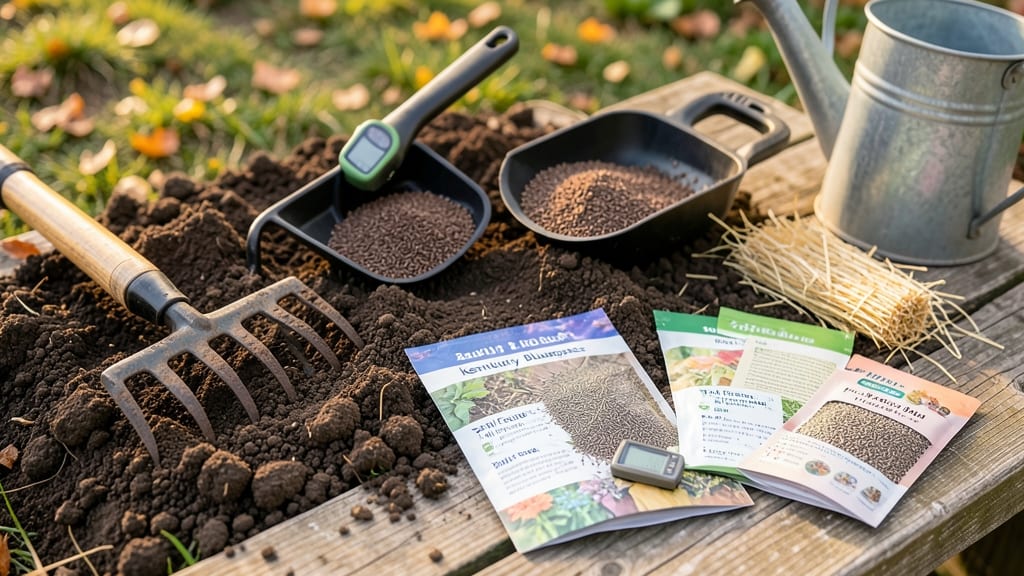
Planting grass seed in Zone 5 at the right time means the difference between a lush lawn and a patchy disappointment 🌱 — aim for early spring or late summer for the best results.
Zone 5 gardeners know timing is everything—plant grass seed too early, and frost will kill your efforts; too late, and summer heat stunts growth. Nailing the perfect window ensures a thick lawn that survives the season.
Spring planting should happen after the last frost, when soil temperatures consistently stay above 50°F—usually around mid-May. Fall is even better, with late August to early September offering cooler temps and fewer weeds.
Below, I’ll break down the exact frost dates by region, soil prep tips, and how to keep your new grass thriving through Zone 5’s unpredictable weather.
Best planting windows for grass seed in Zone 5 (with frost dates)
Getting your grass seed timing right in Zone 5 means the difference between a lush lawn and wasted effort. The ideal planting windows are early spring and early fall, when temperatures cooperate with seed germination.
Too early, and frost will kill your tender sprouts; too late, and summer heat stresses young grass. Let’s break down the perfect times based on average frost dates and soil conditions.
Zone 5 spans a wide geographic area, from Chicago’s windy plains to Pittsburgh’s rolling hills and Minneapolis’ cold winters. While the USDA Zone 5 average last frost date is around mid-May, regional variations mean you should check your local frost calendar for precision.
For example, Chicago’s last frost often arrives by May 10th, while Minneapolis may wait until May 25th.
Soil temperature is just as critical as air temperature. Grass seed germinates best when soil is between 50°F and 65°F. In spring, this usually aligns with late April to early May, while fall’s cooler temps hit this sweet spot in late August to early September. Use a soil thermometer to confirm—don’t guess!
| Region | Last Frost Date | First Frost Date | Best Spring Planting | Best Fall Planting |
|---|---|---|---|---|
| Chicago, IL | May 10 | October 15 | Late April | Early September |
| Pittsburgh, PA | May 15 | October 20 | Early May | Mid-September |
| Minneapolis, MN | May 25 | September 25 | Late May | Late August |
| Detroit, MI | May 5 | October 10 | Late April | Early September |
Spring planting offers the longest growing season for your new grass to establish roots before winter. Aim to seed 4-6 weeks after your last frost date, once soil warms to at least 55°F.
For cool-season grasses like Kentucky Bluegrass or Fescue, this means late April to early May in most of Zone 5. If you’re in a colder microclimate, like northern Minnesota, wait until late May.
Fall planting, however, often yields the best results because cooler temps reduce weed competition and water stress. Seed 6-8 weeks before your first frost date, typically late August to early September.
This gives grass time to germinate and develop roots before winter dormancy. In southern Zone 5, like parts of Ohio or Indiana, you can push it to mid-October.
Regional microclimates play a huge role. Urban areas like Chicago may experience heat islands that delay frost, while rural Iowa can see earlier freezes. Check your local cooperative extension service for hyper-local advice. Even a 5-degree difference in soil temp can mean the difference between success and failure.
Pro tip: If you’re seeding in late summer
How to prepare your lawn for grass seed planting in Zone 5
Preparing your lawn for grass seed in Zone 5 isn’t just about timing—it’s about creating the perfect conditions for germination. Soil temperature, pH balance, and weed control all play critical roles in ensuring your grass seed takes root and thrives.
Skip these steps, and you risk patchy growth or wasted seed.
Start by testing your soil’s pH level. Most grass types prefer a range of 6.0 to 7.0. If your soil is too acidic or alkaline, amend it with lime (to raise pH) or sulfur (to lower pH) 4-6 weeks before planting.
Zone 5’s clay-heavy soils often need extra attention here.
Next, tackle weeds and debris. Use a broadleaf herbicide (like 2,4-D) 2-3 weeks before seeding to kill existing weeds without harming the grass. Follow up with a dethatching rake to loosen compacted soil and remove dead grass layers that block seed-to-soil contact.
- 🌱 Test Soil pH
Use a soil test kit to check pH. Aim for 6.0-7.0 for most grass types. - 🔧 Amend Soil as Needed
Add compost or peat moss for organic matter. Adjust pH with lime or sulfur. - ✂️ Remove Weeds & Debris
Apply herbicide 2-3 weeks before seeding. Rake out dead grass and rocks. - 🌡️ Loosen Soil to 1-2 Inches
Use a core aerator or rake to create a fine seedbed for better seed contact. - 💧 Water Lightly Before Seeding
Moisten soil 1-2 days before planting to help seed settle and retain moisture. - 🌱 Spread Grass Seed Evenly
Use a broadcast spreader for uniform coverage. Aim for 1-2 lbs per 100 sqft. - 🌿 Lightly Rake & Water
Cover seeds with ¼ inch of soil. Water gently to keep soil moist until germination.
Once your soil is prepped, it’s time to seed. Choose a cool-season grass like tall fescue or Kentucky bluegrass, which thrive in Zone 5’s climate. Spread seed evenly using a broadcast spreader or by hand for small areas. For best results, overlap passes to avoid thin spots.
After seeding, keep the soil consistently moist but not soggy. Water lightly twice daily (early morning and late afternoon) for the first 2 weeks. Avoid heavy watering, which can wash seeds away or cause crusting. Mulch with straw to retain moisture and protect seeds from birds.
Monitor your lawn closely for the first 3-4 weeks. Germination typically takes 7-21 days, depending on soil temperature and moisture. Once grass reaches 2-3 inches tall, you can mow at 3 inches high to encourage root growth. Avoid heavy foot traffic until the lawn is fully established.