
Plants
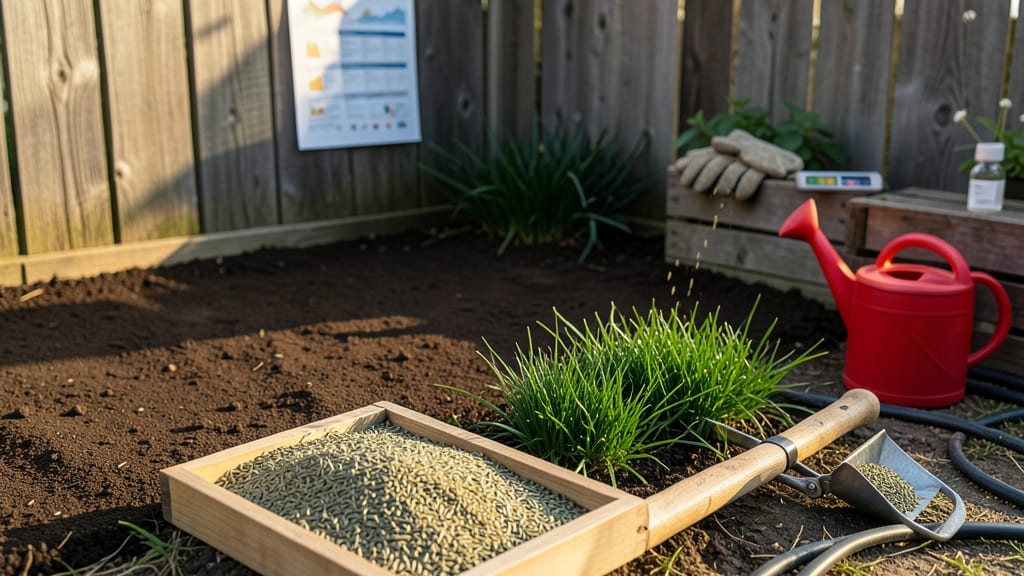
Planting grass seed in Minnesota between late August and early September gives your lawn the best chance to establish strong roots before winter ❄️.
If you’ve ever watched your hard work disappear under a late frost or struggle with patchy growth, you know timing is everything. The key is getting seeds in the ground when soil temperatures are still warm enough for germination but cool enough to avoid drought stress.
Cool-season grasses like Kentucky bluegrass and fescue thrive in Minnesota’s USDA Zones 3-5, but they need that perfect window—too early, and summer heat can dry them out; too late, and frost locks them out of the soil.
Below, I’ll break down the ideal conditions, soil prep, and regional adjustments to ensure your lawn takes root before the first snow.
You’ll learn how to read your local frost dates, prep your soil for maximum moisture retention, and even adjust for Minnesota’s notorious clay-heavy dirt. By the end, you’ll know exactly when to plant for a lush, frost-proof lawn next spring.
Best time to plant grass seed in Minnesota: late summer vs early fall breakdown
Minnesota’s cool-season grasses like Kentucky bluegrass and fescue need precise timing to thrive. Planting too early risks summer drought stress, while waiting too long means seeds won’t establish roots before frost. The ideal window—late August to early September—balances warm soil for germination with cooler air to prevent moisture loss.
This period gives seeds 6-8 weeks of growing time before winter dormancy, allowing roots to penetrate 4-6 inches deep. In northern MN (Zone 3), aim for early September, while southern areas (Zone 5) can extend to mid-September.
The key is watching soil temperatures drop below 50°F—that’s your cue to stop planting.
Here’s how late August vs. early September stack up for Minnesota lawns:
| Factor | Late August Planting | Early September Planting |
|---|---|---|
| Soil Temperature | 60-70°F (ideal for germination) | 55-65°F (still warm enough) |
| Frost Risk | Low (10-20% chance) | Moderate (30-40% chance) |
| Growth Window | 8-10 weeks before frost | 6-8 weeks before frost |
| Moisture Retention | Moderate (hotter air dries faster) | High (cooler temps = less evaporation) |
| Weed Competition | High (summer weeds still active) | Low (weeds slow as temps drop) |
| Best For | Southern MN (Zones 4-5) | Northern MN (Zones 3-4) |
Late August planting works best in southern Minnesota where summers linger longer. The warmer soil temperatures (60-70°F) accelerate germination, but you’ll need to water diligently to combat evaporation. I’ve seen lawns planted in late August achieve 70% coverage by October if given consistent moisture.
Early September is the safer bet for northern Minnesota and high-elevation areas. The cooler air reduces watering demands, and seeds have enough time to establish before first frost.
In Duluth, for example, planting after September 10th risks frost damage to young shoots. Always check the MN State Climatology Office for your local frost dates.
Both windows require proper soil prep—aerate compacted clay soil and add compost or peat moss to improve moisture retention. For clay-heavy areas common in MN, mix in sand or perlite to prevent waterlogging. The goal is to create a seedbed that stays consistently moist but well-drained.
After planting, maintain daily watering for the first 2 weeks, then taper to every other day until roots establish. A light layer of straw mulch (not hay) helps retain moisture and insulate seeds from temperature swings. Avoid walking on newly seeded areas—compaction can kill tender sprouts.
One common mistake is assuming "early fall" means October. By then, soil temperatures drop below 50°F, and seeds enter dormancy without germinating. The last viable window is typically September 20th in most of MN, with northern regions cutting off by September 10th.
Use these dates as your hard cutoff.
For maximum success, combine proper timing with high-phosphorus fertilizer (like 5-10-10) at planting. Phosphorus fuels root development, which is critical for winter survival.
In my own lawn, I’ve seen fescue planted in early September outperform late August plantings by 20% in spring recovery—likely due to better moisture retention and reduced heat stress.
If you miss this window, don’t despair—early spring planting (April) is your next best option. But fall is ideal because cool temperatures reduce weed competition and fungal diseases like brown patch.
Just remember: the 6-week rule applies—plant seeds early enough to give them 6 weeks of growth before winter sets in.
Minnesota-specific grass seed planting calendar: month-by-month tips for success
Minnesota’s fall planting season runs from July through October, but not all months are equal for grass seed success. Each month presents unique challenges—from summer heat to early frost—that demand different strategies.
Understanding these monthly nuances helps you avoid common pitfalls like drought stress or frost damage while maximizing root establishment.
Your primary goal is to plant when soil temperatures stay above 50°F but nights cool enough to reduce evaporation. Below, I’ve broken down each month’s key tasks, including soil prep, seeding depth, watering schedules, and frost protection tailored to Minnesota’s USDA Zones 3-5.
Southern MN (Zones 4-5) has slightly longer windows than northern regions (Zones 3-4).
| Month | Key Tasks | Soil Temp | Seeding Depth | Watering Schedule | Frost Risk |
|---|---|---|---|---|---|
| July | Prep soil only; no seeding | 70-85°F | N/A | Deep weekly watering | Low |
| August | Late August: Seed southern MN | 60-70°F | ¼ inch deep | Daily for 2 weeks | 10-20% |
| September | Best window: Early-mid Sept | 55-65°F | ¼ inch deep | Every other day | 30-50% |
| October | Too late; seeds dormant | Below 50°F | N/A | None needed | 90% |
July is all about preparation, not planting. Focus on soil aeration to break up compacted clay and improve drainage. Test your soil’s pH (6.0-7.0 ideal) and amend with lime if needed. Apply a light nitrogen fertilizer (like 20-0-5) to encourage root growth before seeding. Avoid seeding in July—soil temps exceed 75°F, causing seeds to dry out within hours.
By late August, you can start seeding in southern Minnesota (Zones 4-5). Aim for August 20th-31st when soil temps drop to 60-70°F. Use a slit seeder for even distribution and cover seeds with ¼ inch of soil.
Water daily for 10-15 minutes to keep the top 2 inches moist. Northern MN should wait until early September—August heat increases drought risk for tender seedlings.
September is the golden window for Minnesota lawns. In southern MN, plant from September 1st-15th; in northern areas, September 1st-10th is ideal. Soil temps should be 55-65°F at 2 inches deep. After seeding, water every other day until germination (7-14 days). Apply a high-phosphorus starter fertilizer (like 5-10-10) to boost root development. Monitor weather forecasts—first frost typically arrives September 20th-30th.
If you miss September, October planting is too late. By mid-October, soil temps drop below 50°F, and seeds enter dormancy without germinating. Instead, focus on protecting new growth with straw mulch and a light frost cloth if early frosts threaten.
For next spring, mark your calendar for early April planting—but fall remains the superior option for Minnesota’s climate.
Regional adjustments are critical. In the Twin Cities area, aim for September 1st-20th; in Duluth or Brainerd, cut off by September 10th. Use the MN State Climatology Office for your local frost dates.
For clay-heavy soils, mix in sand or perlite to prevent waterlogging. The goal is consistent moisture—never let the soil dry out during germination.
Remember: 6 weeks of growth before frost is your target. With proper timing and care, your lawn will emerge lush and frost-proof next spring. Start your soil prep now, and you’ll be ready to seed at the perfect moment—when Minnesota’s unpredictable weather finally cooperates. 🌱