
Planting
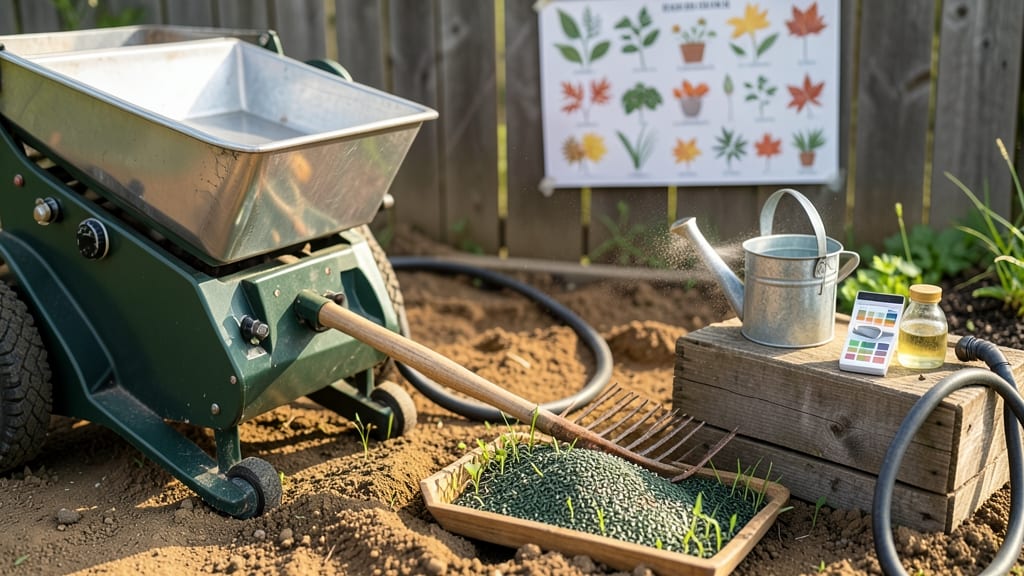
Planting grass seed in North Carolina at the right time means the difference between a lush, frost-resistant lawn and a patchy, weak one that struggles to recover.
Picture this: you’ve spent hours preparing your soil, choosing the perfect seed blend, and even renting a lawn roller—only to watch your new grass fizzle out by winter because you planted too late. That’s why late summer (August–September) is the secret weapon for deep root growth before frost hits.
North Carolina’s climate zones—from the coastal plains to the mountains—each have their own ideal window, but the rule of thumb is simple: 6–8 weeks before your first frost. For most of the state, that lands in early fall, when soil stays warm enough to encourage strong establishment.
In this guide, I’ll walk you through the exact timing for your region, soil prep tricks to avoid common mistakes, and a step-by-step checklist to ensure your grass takes root before winter sets in.
North Carolina’s ideal grass seed planting window: late summer timing explained
North Carolina’s late summer (August-September) is the perfect window for planting grass seed because of the warm soil and long daylight hours that encourage deep root growth before winter.
Unlike spring planting, which can bring weeds and drought stress, fall gives grass a 6-8 week head start to establish before frost sets in. This timing also avoids the intense summer heat that can dry out seeds too quickly.
The science behind late summer planting lies in North Carolina’s USDA zones 6b-8a, where daytime temperatures remain mild (70-85°F) while nights cool down—ideal for grass to grow without stress.
The soil stays warm from summer’s heat, promoting faster germination, while the reduced weed competition in late summer gives grass seedlings a fighting chance. Plus, planting before October 15 (coastal) or October 1 (mountains) ensures roots harden off before frost.
Here’s how North Carolina’s three climate zones influence the ideal planting window:
| Region | Best Planting Window | Key Conditions | Grass Types |
|---|---|---|---|
| Mountains (Zones 6b-7a) | August 15 – September 15 | Cooler temps (60-75°F), frost risk after Oct 1 | Tall fescue, fine fescue |
| Piedmont (Zones 7b-8a) | August 1 – September 30 | Warm days (80-85°F), nights drop to 65°F | Kentucky bluegrass, Bermuda (late spring) |
| Coastal (Zones 8a-9a) | August 15 – October 15 | Humid, 75-85°F, frost rare until Nov | St. Augustine, Zoysia |
For cool-season grasses (like tall fescue or Kentucky bluegrass), late summer is the golden window because the grass can germinate quickly in warm soil but avoid summer heat stress.
These grasses thrive when planted 6-8 weeks before the first frost, which in NC’s Piedmont is typically around November 15. In the mountains, where frost comes earlier, aim to finish by October 1 to give roots time to establish.
Warm-season grasses (like Bermuda or Zoysia) have a different ideal window: late spring (April-May). However, if you’re overseeding an existing lawn in late summer, cool-season grasses will outcompete warm-season varieties by next spring.
The key is to choose the right seed mix for your region—coastal areas benefit from shade-tolerant varieties like St. Augustine, while inland zones thrive with drought-resistant tall fescue.
One critical factor often overlooked is soil temperature. Grass seeds need soil temps between 60-75°F to germinate. In late summer, NC’s Piedmont region often hits this sweet spot naturally, while mountain areas may require a light mulch layer to retain warmth.
Use a soil thermometer to confirm—if temps drop below 55°F, germination slows dramatically.
Watering plays a pivotal role in late summer planting. New grass needs 1 inch of water daily for the first 2 weeks to keep seeds moist but not waterlogged.
After germination, reduce to 2-3 times per week to encourage deep root growth. Morning watering (before 10 AM) minimizes evaporation and fungal risks. In humid coastal areas, avoid overhead watering at night to prevent disease pressure.
North Carolina’s microclimates mean your neighbor’s success might not mirror yours. For example, Asheville’s cooler climate (Zone 7a) favors early September planting, while Raleigh’s warmer Piedmont (Zone 7b) can extend planting until mid-October.
Check your local USDA zone and monitor weekly frost forecasts—tools like the NC State Climate Office provide real-time data to refine your timing.
Pro tip: If you’re repairing a lawn, late summer is also ideal for topdressing with compost (1/4 inch layer) before planting. This boosts soil fertility and improves moisture retention, giving seeds a nutrient head start. Just avoid heavy foot traffic on newly planted areas—compaction kills germination.
By planting in late summer, you’re not just following a calendar—you’re leveraging NC’s climate to grow a lawn that’s drought-resistant, weed-competitive, and winter-hardy. The effort pays off with thicker turf next spring and fewer bare spots after winter’s chill.
For best results, start in August, monitor soil moisture, and avoid planting after October 15—
Step-by-step late summer grass seed planting checklist for NC’s climate
Late summer in North Carolina—when temperatures start to dip but soil remains warm—is the perfect window for planting grass seed. This timing lets roots establish deeply before frost, giving you a lawn that survives winter and thrives in spring.
But rushing or skipping steps can derail even the best seeds.
Here’s my proven checklist for success, tailored to NC’s climate zones. Whether you’re in the mountains, Piedmont, or coastal plains, these steps ensure your grass gets the strong start it needs.
- Test and prep your soil: Use a soil test kit (available at local garden centers) to check pH. Aim for 6.0–7.0. Amend with compost or lime if needed, then till the top 4–6 inches of soil to loosen it.
- Choose the right seed: For NC’s climate, opt for tall fescue (drought-tolerant) or ryegrass blends (fast germinating). Cool-season grasses like these thrive in late summer’s mild temps.
- Clear debris and level the ground: Remove rocks, weeds, and old grass. Use a rake to smooth the soil, then drag a lawn roller lightly to create firm seed-to-soil contact.
- Spread seed evenly: Use a broadcast spreader for large areas or hand-sow small patches. Apply half the seed in one direction, then the rest perpendicularly to avoid gaps.
- Lightly cover with soil: Sprinkle a thin layer (¼ inch) of fine soil or compost over the seed. This protects it from birds and wind while keeping moisture in.
- Water deeply and consistently: Keep soil moist (not soggy) for the first 2–3 weeks. Water early morning to reduce evaporation, aiming for 1 inch per week.
- Avoid heavy foot traffic: Wait until grass is 3–4 inches tall before mowing. This ensures roots are deep enough to handle stress.
After planting, monitor your lawn closely. Yellow patches may signal overwatering or poor drainage, while slow germination could mean the soil is too dry. Adjust your watering schedule as needed—consistency is key in late summer’s fluctuating temps.
Once your grass reaches 3 inches tall, you can resume normal mowing and fertilizing. A light application of starter fertilizer (like 10-10-10) at this stage will give it a nutrient boost for winter resilience.
With this checklist, your late-summer planting will yield a thick, green lawn that outlasts winter—and saves you the headache of spring repairs. Happy growing! 🌱