
Plants
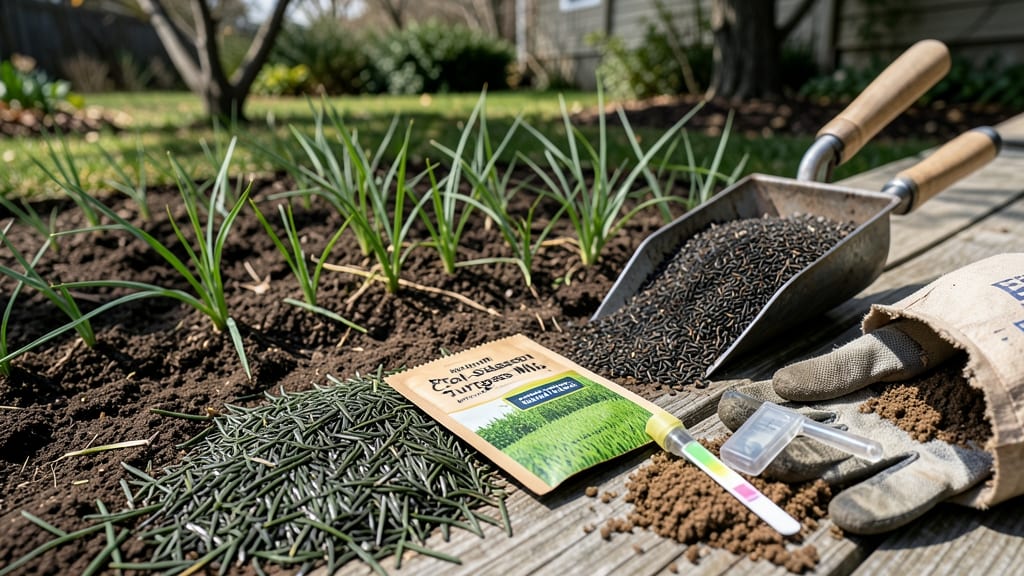
Planting grass seed in Utah between late August and early September gives your lawn the best shot at deep roots before winter’s first frost.
Utah’s unpredictable climate—hot summers, cold winters, and sudden frost—can make grass seeding a high-stakes gamble. Planting at the wrong time means weak roots, patchy growth, or wasted seed, but timing it right guarantees a lush, resilient lawn that survives the harshest conditions.
Cool-season grasses like Kentucky bluegrass and fescue thrive when soil temperatures hover between 50-65°F, making late summer the ideal window. This timing lets seedlings establish strong roots before the first frost, which in northern Utah can hit as early as mid-October.
Below, I’ll break down the exact soil prep, watering schedule, and regional adjustments needed to ensure your grass takes hold—no matter where in Utah you live.
Best planting windows for Utah grass seed: late August to early September explained
Utah’s cool-season grasses like Kentucky bluegrass and fescue thrive when planted in late August through early September. This timing aligns with ideal soil temperatures between 50-65°F and avoids the extreme heat of summer or early frost risks.
The 4-6 week root establishment window before winter ensures seedlings survive Utah’s harsh winters.
This window also coincides with natural rainfall patterns in Utah, reducing irrigation demands. The Wasatch Front and northern regions experience first frosts as early as mid-October, while southern Utah areas like St. George may have later frosts. Understanding these regional differences is key to success.
Here’s why this timing works scientifically: Cooler temperatures slow weed competition while promoting grass seed germination. The 60-day growing window before winter dormancy allows roots to penetrate 4-6 inches deep, creating a resilient lawn that handles Utah’s drought and freeze-thaw cycles.
| Timing Factor | Late August Planting | Early September Planting |
|---|---|---|
| Soil Temperature | 55-65°F (optimal germination) | 50-60°F (slower but safe) |
| Rainfall Alignment | Monsoon tail-end moisture | Early fall showers begin |
| Frost Risk | Low (6-8 weeks until frost) | Moderate (4-6 weeks until frost) |
| Root Depth Potential | 4-6 inches before dormancy | 3-5 inches before dormancy |
| Weed Competition | Minimal (cooler temps slow weeds) | Very low (ideal timing) |
For northern Utah (USDA zones 5-6), aim for late August planting to maximize the 60-day growing window. In southern Utah (zones 7-8), early September works better due to later frosts. Always check your local USDA frost date maps for precise timing.
The 4-6 week germination window for cool-season grasses means you’ll see visible sprouts in 7-14 days under ideal conditions. Maintain consistent moisture during this critical period—1-1.5 inches of water per week—to prevent seed desiccation.
A light mulch of straw or peat moss helps retain moisture and regulate soil temperature.
Utah’s alkaline soils (pH 7.5-8.5) can inhibit germination, so test your soil and amend with sulfur or peat moss if needed. The goal is to reach a pH of 6.0-7.0 for optimal grass seed performance. This adjustment takes 2-4 weeks before planting, so plan accordingly.
One common mistake is planting too early in July or August when soil temperatures exceed 70°F. This causes seedling burn and poor germination. Conversely, planting after mid-September risks frost damage before roots establish. The late August to early September window strikes the perfect balance.
After planting, monitor for even moisture distribution and avoid compacting the soil. Lightly rake the seed into the top ¼ inch of soil for proper contact.
In Utah’s high desert regions, consider a lightweight row cover for the first 10 days to protect young seedlings from wind and rapid temperature swings.
By following this late summer planting window, your Utah lawn will establish deep, frost-resistant roots before winter. This timing isn’t just about avoiding frost—it’s about giving your grass the competitive edge it needs to outperform weeds and thrive in Utah’s challenging climate. 🌱
Utah-specific grass seed varieties and their perfect planting months
Utah’s diverse microclimates mean your grass seed choice should match your region’s elevation and frost patterns. Cool-season grasses like tall fescue and Kentucky bluegrass dominate northern Utah, while warm-season grasses such as buffalo grass and zoysia thrive in southern Utah’s hotter zones.
Each type has a specific planting window to ensure survival through Utah’s extreme seasonal shifts.
The Wasatch Front (USDA zones 5-6) benefits most from cool-season grasses planted in late August, while Southern Utah (zones 7-8) can extend planting into early October for warm-season varieties. Elevation adjustments are critical—grass at 8,000+ feet needs earlier planting than low-desert areas near St. George.
| Grass Type | Best Planting Month | Elevation Range | Drought Tolerance | Key Benefit |
|---|---|---|---|---|
| Tall Fescue | Late August | 5,000-8,000 ft | High | Deep roots survive Utah winters |
| Kentucky Bluegrass | Early September | 4,000-7,000 ft | Moderate | Recovers from foot traffic |
| Buffalo Grass | Early May or Sept | 3,000-6,000 ft | Very High | Zero irrigation needed |
| Zoysia Grass | Late April or Sept | 3,500-6,500 ft | High | Heat and shade tolerant |
| Fine Fescue | Late August | 6,000-9,000 ft | Moderate | Shade adapted |
Tall fescue remains Utah’s top choice for its drought resistance and ability to establish 6-inch roots before winter. For low-maintenance lawns, buffalo grass planted in early spring or fall thrives with no irrigation once established—ideal for southern Utah’s USDA zone 7 areas where water restrictions are common.
In high-elevation areas like Park City (7,000+ ft), fine fescue mixes outperform Kentucky bluegrass by tolerating cooler soils and shadier conditions. Always test your soil’s pH (6.0-7.0) before planting—Utah’s alkaline soils often require sulfur amendments for optimal germination.
For urban yards in the Wasatch Front, Kentucky bluegrass blends planted in early September provide the best balance of traffic tolerance and winter hardiness. Pair this with 1-1.5 inches of water weekly during establishment to prevent seed desiccation in Utah’s low-humidity climate.
If you’re in Southern Utah (e.g., St. George), zoysia grass planted in late April or September offers heat tolerance and minimal water needs—perfect for USDA zone 8. The trade-off? Zoysia goes dormant in winter, turning brown until spring warmth returns.
Regardless of variety, late summer planting gives seedlings 60 days to establish roots before winter. This timing ensures your Utah lawn survives freeze-thaw cycles and drought periods with minimal stress.
Choose your grass based on elevation, water availability, and maintenance preferences—then stick to the optimal planting window for best results. 🌱