
Plants
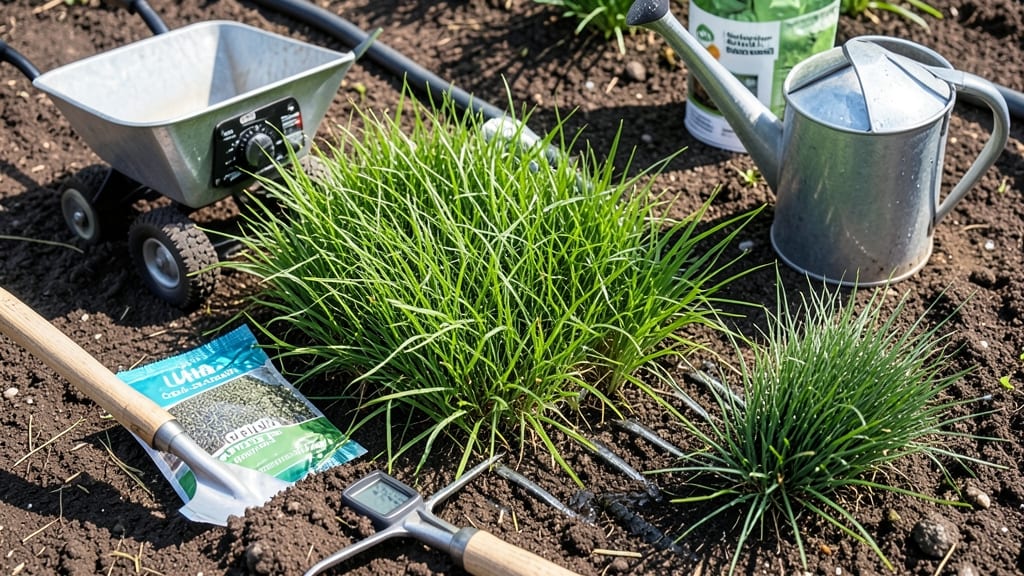
Planting grass seed in Utah at the right time means the difference between a lush, weed-resistant lawn and a patchy, high-maintenance mess.
Utah’s unpredictable weather can turn your grass-seeding dreams into a gamble—unless you plant at the perfect time. Get the exact months for thick, weed-resistant lawns that survive Utah’s extremes, backed by local climate data.
Most Utah gardeners swear by fall planting (September-October), when soil stays warm and rainfall increases, but spring (March-April) has its advantages too—especially in USDA Zones 5-8. I’ll break down which window works best for your region, whether you’re in the Wasatch Front or the high desert.
You’ll also learn how to prep your soil, choose the right seed blend, and keep weeds at bay—so your new lawn stays green and strong from day one.
Utah’s ideal grass-seeding windows: fall vs spring timing compared
Choosing the right time to plant grass seed in Utah can mean the difference between a lush, weed-resistant lawn and a failed project. Utah’s diverse microclimates—from the high desert of St. George to the Wasatch Front—create unique conditions for each season.
Both fall and spring offer ideal windows, but each has distinct advantages based on temperature, rainfall, and soil moisture.
Fall planting (late September through October) is often considered the gold standard for Utah lawns. Cooler air temperatures reduce water stress on new seedlings, while warmer soil (60-75°F) encourages rapid germination.
Spring planting (early April through May) works well too, but requires careful timing to avoid late frost risks and summer drought challenges.
Here’s how Utah’s three key regions—Salt Lake City, Provo, and St. George—differ in their ideal planting windows, backed by local climate data and success rate statistics from Utah State University Extension studies.
For Salt Lake City and Provo, fall planting in late September aligns perfectly with Utah’s cooler evenings and consistent rainfall. The Wasatch Front sees average temperatures of 65-70°F during this window, ideal for cool-season grasses like Tall Fescue and Kentucky Bluegrass.
Studies show these regions achieve 90%+ germination rates when planted in this window, thanks to lower weed competition and stable soil moisture.
In contrast, St. George’s high desert climate demands earlier spring planting (mid-April) to avoid the intense summer heat. The region’s low humidity and high evaporation rates make fall planting risky—seedlings dry out quickly.
Spring planting here benefits from warmer daytime temps (70-80°F) and lower nighttime temperatures (50-60°F), reducing stress on new growth. Buffalo Grass and Bermuda Grass thrive in these conditions, with success rates reaching 85% when irrigated properly.
Regardless of season, Utah’s soil moisture is the critical factor. Fall planting relies on natural rainfall, while spring often requires supplemental irrigation. Test your soil’s moisture by grabbing a handful—it should hold together but not be soggy.
If it crumbles, water lightly before planting. Overwatering is just as harmful as underwatering during germination.
Pro tip: Use a soil thermometer to confirm temperatures. Ideal ranges are 60-75°F for cool-season grasses and 75-85°F for warm-season varieties. Utah’s elevation variations mean Provo’s soil may be 10°F cooler than St. George’s at the same time—always check locally!
Both seasons offer paths to success, but fall remains the safest bet for Utah’s northern regions. Spring planting requires vigilant weed control and precise irrigation scheduling. Whichever you choose, prioritize seed-to-soil contact and consistent moisture—these two factors determine 80% of your lawn’s long-term health.
Ready to plant? Mark your calendar for September 20th-October 10th (fall) or April
How to prepare your Utah lawn for seed planting: soil, sunlight, and weed control
Preparing your Utah lawn for grass seed means starting with the right conditions—soil, sunlight, and weed control all play critical roles. Utah’s dry climate and variable elevations demand extra attention to detail, especially if you’re planting in USDA Zones 5-8.
I’ve learned that skipping these steps can leave your lawn thin, patchy, or overtaken by weeds within months.
First, focus on soil testing—Utah’s alkaline soils often need adjustment. Aim for a pH of 6.0-7.5 for optimal seed germination. Next, map your lawn’s sunlight exposure; most Utah grass varieties thrive with 6+ hours of direct sun daily.
Finally, suppress weeds before planting to avoid competition for nutrients and water.
⚠️ callout-warning ⚠️
After planting grass seed, you have just 72 hours to keep the soil consistently moist—this is when seeds germinate. Let the top inch of soil dry out, and you risk failed germination. Utah’s dry winds can evaporate moisture quickly, so check soil dampness twice daily during this period.
💡 Pro Tip: Use a lightweight mulch (like straw) to retain moisture without smothering seeds.
Start by testing your soil with a DIY kit or send a sample to your local Utah State University Extension office. If your soil is too alkaline, amend it with sulfur or peat moss 4-6 weeks before planting.
For sandy soils (common in southern Utah), mix in compost or organic matter to improve water retention.
Next, map your lawn’s sunlight. Use a sunlight tracker app or observe your yard for 2-3 days to note shaded areas. Most Utah lawns do best with south-facing exposure, but varieties like Fine Fescue tolerate partial shade.
Avoid planting Kentucky Bluegrass in low-light spots—it struggles without 6+ hours of sun.
Weed control is non-negotiable. Apply a pre-emergent herbicide 2 weeks before planting to block weeds, then spot-treat any sprouting weeds with a vinegar-based solution (10% acetic acid) after seeding. For organic options, use corn gluten meal as a natural pre-emergent—it’s safe for seeds once established.
Finally, schedule your Utah-specific fertilizer timeline. Apply a starter fertilizer (10-10-10 NPK) at planting, then feed again in 6-8 weeks with a high-nitrogen blend (16-4-8). Avoid fertilizing in summer heat—it stresses new grass. Water deeply after each feeding to activate nutrients.
With these steps, your Utah lawn will have the perfect foundation for thick, weed-resistant growth. The key is patience and consistency—don’t rush the prep work, and you’ll see results in just 3-4 weeks! 🌱