
Plants
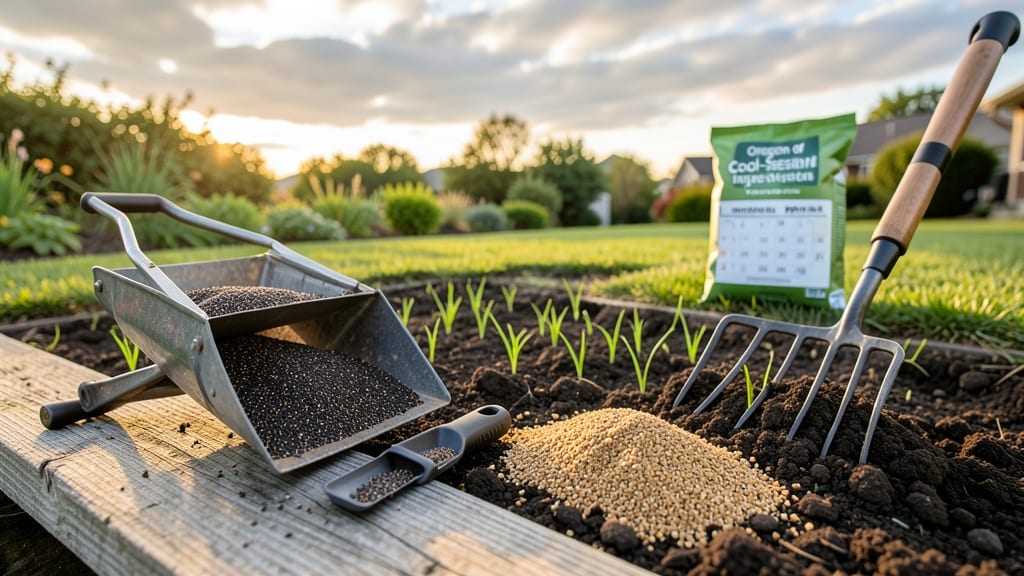
To plant grass seed in Oregon at the right time, aim for late summer—August through early September—when soil stays warm but nights begin to cool.
Oregon’s unpredictable climate—with its wet winters, dry summers, and sudden frost—can make or break your lawn if you plant grass seed at the wrong time. But timing it right in late summer ensures strong root growth before winter, giving you a lush, frost-resistant lawn by spring.
This is the secret weapon for Oregon gardeners: cooler temperatures reduce water stress on seedlings, while still leaving enough warmth for germination. Whether you're in the Willamette Valley or the High Desert, the key is getting the seed in the ground before the first frost—typically mid-November in most regions.
Below, I’ll walk you through the exact planting windows by zone, soil prep tricks to lock in moisture, and the three critical mistakes that kill grass seed before it takes hold—so you can skip the guesswork and end up with a thick, green lawn next year.
Best late summer planting windows in Oregon by region
Oregon’s diverse climate means your grass seed timing depends heavily on where you live. The Willamette Valley, Coast Range, High Desert, and Eastern Oregon each have unique frost patterns and rainfall, making late summer planting a delicate balance.
For best results, aim to plant when soil temperatures stay above 55°F but before first frost arrives—typically between mid-August and early September.
Late summer planting gives grass seedlings time to establish deep roots before winter, reducing frost damage. However, Oregon’s summer droughts and coastal humidity create challenges. In drier areas like the High Desert, you’ll need extra irrigation, while coastal regions may face slower drying soil.
Let’s break down the ideal planting windows by region to ensure your lawn thrives.
Soil temperature is your best guide—wait until it hovers between 60°F and 75°F during the day. Use a soil thermometer to check, especially in shaded or high-altitude areas where temperatures lag. In Eastern Oregon, cooler nights mean you might need to plant earlier, while Western Oregon’s milder climate allows a slightly later window.
| Region | Optimal Planting Window | Soil Temp Threshold | Rainfall Considerations | Key Grass Types |
|---|---|---|---|---|
| Willamette Valley | Late August to mid-September | 60°F–75°F | Moderate rain; water 2x/week if dry | Kentucky Bluegrass, Fine Fescue |
| Coast Range | Mid-August to early September | 55°F–70°F | High humidity; water morning/evening | Creeping Red Fescue, Perennial Ryegrass |
| High Desert (Bend, Redmond) | Early August to mid-August | 65°F–80°F | Dry; deep water 3x/week | Tall Fescue, Buffalo Grass |
| Eastern Oregon (Pendleton, La Grande) | Late July to early August | 60°F–72°F | Low rain; mulch to retain moisture | Wheatgrass, Bluebunch Wheatgrass |
The Willamette Valley offers the most flexibility, with its mild summers allowing planting through mid-September. Choose Kentucky Bluegrass for lush lawns or Fine Fescue for shade tolerance.
In the Coast Range, cooler temperatures mean you’ll need to act faster—Creeping Red Fescue handles humidity well, while Perennial Ryegrass germinates quickly in damp conditions.
For High Desert gardeners, time is critical. Plant in early August to avoid the region’s hot, dry spells. Tall Fescue thrives here due to its drought tolerance, but you’ll need to water deeply 3 times weekly.
In Eastern Oregon, where summers are short, late July is your last chance—Wheatgrass blends well with native grasses and requires minimal water once established.
Don’t overlook first frost dates: Western Oregon averages November 15, while Eastern Oregon can see frost as early as October 15. Seedlings need 4–6 weeks to establish roots, so factor this into your planting timeline.
For example, if your region’s frost date is November 1, aim to finish planting by October 15 to give roots time to harden.
Pro tip: Use a seed germination chart for your grass type—most cool-season grasses (like Fescue) sprout in 14–21 days, while warm-season types (like Bermuda) take 21–30 days.
Adjust your watering schedule accordingly, keeping soil consistently moist but not soggy. A light mulch (like straw) helps retain moisture and regulate soil temperature.
Regional differences also affect weed competition. In wetter areas (like the Coast Range), pre-emergent herbicides can prevent weeds, while drier regions may need post-emergent treatments. Always read labels—some herbicides can harm young grass seedlings. For organic options, hand-pull weeds or use corn gluten meal as a pre-emergent.
Finally, monitor your lawn’s progress. If seedlings appear yellow or stunted, it may be due to overwatering (root rot risk) or underwatering (drought stress). Adjust your routine and consider a soil moisture meter for precision.
With the right timing and care, your late-summer planting will reward you with a vibrant, frost-resistant lawn by spring.
🌱
How to prepare Oregon soil for late-summer grass seed success
Late summer is your golden window for planting grass seed in Oregon, but only if your soil is ready. The key is creating the perfect foundation—one that holds moisture, has the right pH balance, and is free of weeds.
Oregon’s variable climate means soil conditions can shift dramatically from the Willamette Valley to the High Desert, so prep is non-negotiable.
Start by testing your soil’s pH level—the ideal range for most Oregon grasses is 6.0 to 7.0. Too acidic or alkaline, and your seedlings will struggle to absorb nutrients.
Grab a soil test kit from your local garden center, or send a sample to Oregon State University’s Extension Service for a detailed analysis. This small step can save you from a patchy, weak lawn.
Next, tackle weed competition. Weeds steal water and nutrients from your grass seed, so remove them before planting. Use a broadleaf herbicide for dandelions and clover, or pull weeds by hand if your lawn is small.
For stubborn weeds like bindweed, apply a targeted herbicide 2-3 weeks before seeding. A clean slate ensures your grass seed gets the head start it needs.
Soil Prep Checklist for Late-Summer Grass Seed
- 🌱 Test Soil pH: Aim for 6.0–7.0; amend with lime (for acidic soil) or sulfur (for alkaline soil).
- 🪴 Loosen Compacted Soil: Aerate with a core aerator to 4–6 inches deep—especially in high-traffic areas.
- 💧 Add Organic Matter: Mix in 2–3 inches of compost or well-rotted manure to improve moisture retention.
- ✂️ Level the Surface: Rake out clumps and fill low spots with topsoil for an even seedbed.
- 🌿 Choose the Right Seed: Cool-season grasses (e.g., Kentucky Bluegrass, Fescue) thrive in Oregon’s climate.
Don’t skip aeration—Oregon’s compacted clay soils, especially in urban areas, can suffocate grass roots. Rent a core aerator or hire a lawn service to punch holes 4–6 inches deep across your lawn.
This allows water, air, and nutrients to reach your seed, giving it the best chance to establish deep roots before winter.
After aerating, top-dress with compost or peat moss to improve soil structure and moisture retention. This is especially critical in Oregon’s dry late summers, where seedlings can dry out quickly.
A light layer of straw mulch (not hay—it contains weed seeds) will shield your seed from birds and lock in moisture. Water gently but thoroughly to settle the soil and seed.
Finally, choose the right grass seed blend for your Oregon region. Cool-season grasses like Tall Fescue or Fine Fescue dominate Oregon lawns because they handle the state’s wet winters and dry summers.
Avoid warm-season grasses like Bermuda, which struggle in Oregon’s cool climate. Mixing 30% Kentucky Bluegrass with 70% Fescue is a winning combo for most areas.
With your soil prepped, seed planted, and moisture locked in, your grass will have the perfect head start before winter sets in. Next, we’ll cover the three critical mistakes that turn late-summer seeding into a disaster—so you can avoid them and end up with a lawn to envy.