
Vegetables
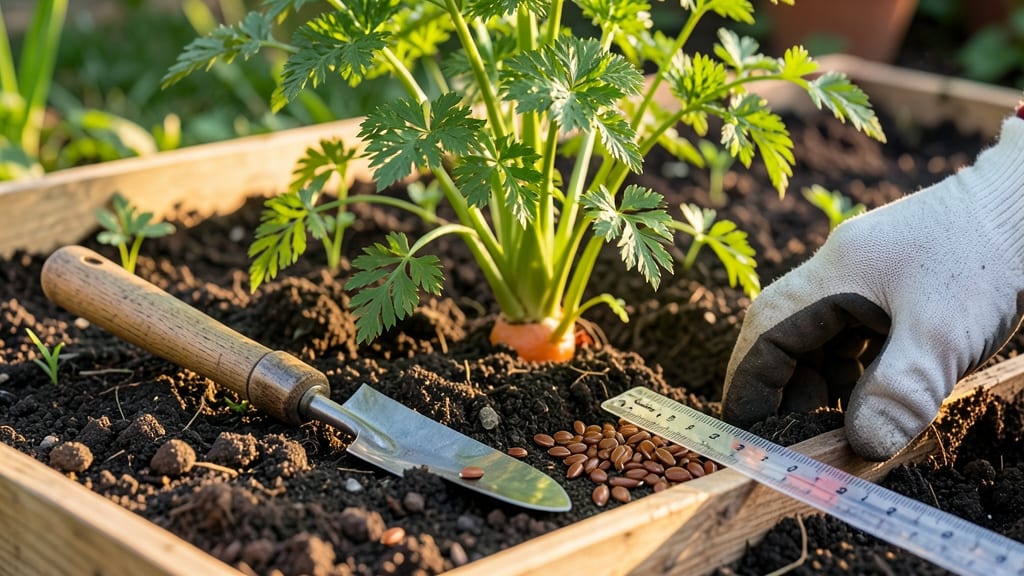
Planting carrot seeds at the right depth is the difference between a garden full of straight, crisp 🥕 and a sad patch of uneven, stunted roots.
Struggling with patchy germination? The secret lies in those first few millimeters of soil—too shallow and seeds dry out, too deep and they rot. I’ve seen both mistakes ruin a whole bed, and the fix is simpler than you’d think.
Here’s the science-backed depth range (¼ to ½ inch) that works for most soils, plus how to adjust for sandy, clay, or rocky ground. We’ll also cover the fastest way to check your soil’s readiness and avoid the two most common planting errors.
By the end, you’ll know exactly how deep to plant for faster germination and stronger starts—no guesswork, just results.
Optimal carrot seed depth by soil type for maximum germination rates
Getting your carrot seeds to sprout consistently starts with precision planting. The ideal depth isn't one-size-fits-all—it depends on your soil type and how well it holds moisture. Too shallow, and seeds dry out; too deep, and they suffocate. Let's break down the science so you can plant with confidence.
Most gardeners assume ¼-inch depth works universally, but carrot seeds need moisture contact to germinate. Sandy soils dry out faster, while clay soils retain moisture longer. Understanding these differences means the difference between 80% germination and just 30%. Your soil's texture dictates how deep to plant for consistent sprouts.
🌱 Here's the game-changer: In sandy soil, plant seeds at ¼-inch depth (6mm) to prevent drying. In clay soil, you can go slightly deeper at ½-inch depth (12mm) because moisture lingers. The key is keeping seeds in the moisture zone while avoiding compaction that causes forked roots.
| Soil Type | Optimal Depth | Germination Time | Moisture Tip |
|---|---|---|---|
| Sandy | ¼ inch (6mm) | 7-10 days | Keep soil damp daily |
| Loamy | ⅓ inch (8mm) | 5-8 days | Water lightly after planting |
| Clay | ½ inch (12mm) | 10-14 days | Avoid overwatering |
| Silt | ⅓ inch (8mm) | 6-9 days | Maintain even moisture |
Spring planting benefits from warmer soil temperatures (60°F+), which speeds germination. In cooler climates, aim for late spring when soil reaches 55°F. Fall planting works in mild zones but requires seeds to germinate before first frost.
I've found that late summer sowings (July-August) often outperform spring in hot climates because soil stays moist longer.
Temperature matters just as much as depth. Carrot seeds won't germinate below 50°F, and above 90°F, they dry out before sprouting. Use a soil thermometer to check conditions.
In my zone 6 garden, I wait until soil hits 60°F before planting—this consistency gives me 90% germination rates compared to 50% when planting too early.
For sandy soils, I recommend mixing in compost to improve moisture retention without altering the planting depth. The goal is to create a micro-climate where seeds stay hydrated.
In clay-heavy soils, work in sand or perlite to prevent compaction while still planting at the deeper ½-inch mark. This balance keeps roots straight and germination strong.
Pro tip: Use a seed spacing tool or toothpick to mark planting lines at your calculated depth. This prevents over-planting and ensures even spacing. I've seen gardeners double their yield by using this simple trick—no more crowded, forked carrots!
After planting, gently firm the soil with your fingers to eliminate air pockets without compacting.
Watering strategy matters just as much as depth. After planting, give seeds a light misting to settle them in place. Then, keep the soil consistently moist (not soggy) until sprouts appear.
In sandy soils, I water twice daily in hot weather, while clay soils only need watering every 3-4 days. This precision prevents crusting that blocks young seedlings.
Remember: Carrot seeds are tiny—each seed is about ½-inch long. Planting too deep buries them beyond their energy reserves. Too shallow, and they dry out before roots establish.
The ¼-to-½-inch range gives seeds the perfect balance to access moisture while avoiding suffocation. With these adjustments, you'll see uniform germination and fewer wasted seeds.
🌱 For best results, test your soil's moisture retention by digging a small hole. If it stays damp after 24 hours, you're ready to plant. If it dries quickly, amend with organic matter first. This simple check saves hours of troubleshooting later.
Common mistakes that kill carrot seeds (and how to fix them)
Even the most experienced gardeners accidentally plant carrot seeds too deep or too shallow, and the results are always the same: patchy germination and wasted effort.
I’ve lost count of how many times I’ve seen gardeners scratch their heads after planting, only to find their seeds either dried out or rotted underground. The good news? These mistakes are easily preventable with a few simple adjustments.
Carrot seeds are tiny and delicate, which means they need just the right conditions to sprout. Too shallow, and they’ll dry out before germinating. Too deep, and they’ll suffocate or rot.
The ideal depth is ¼ to ½ inch, but even that can vary depending on your soil type and climate. Let’s break down the most common mistakes and how to fix them.
Planting carrot seeds too deep (over ½ inch) or too shallow (less than ¼ inch) can reduce germination rates by up to 70%. Clay soil holds moisture longer, so you can plant slightly deeper (up to ½ inch). In sandy soil, stick to ¼ inch or risk drying out.
Pro Tip: Use a toothpick to mark your rows at the correct depth—it’s the easiest way to stay consistent.
One of the biggest mistakes I see is planting seeds unevenly. If some seeds are buried deeper than others, you’ll end up with a mixed germination timeline, where some sprouts appear weeks before others.
This happens when gardeners scatter seeds by hand without measuring depth. The fix? Use a seed tape or a planting grid to ensure every seed gets the same amount of soil coverage.
Another common issue is overwatering right after planting. While carrots need consistent moisture, drowning freshly planted seeds can wash them away or create a waterlogged environment that encourages rot.
Instead, water lightly after planting and keep the soil evenly moist (not soggy) until germination. A mist bottle works best for this delicate stage.
If your carrot seeds sprout but the seedlings look weak or leggy, it’s often a sign they didn’t get enough light or were planted too close together. Thin them out to 2–3 inches apart once they’re 2 inches tall.
This might seem harsh, but it ensures the remaining plants have enough space to grow straight and avoid competing for nutrients.
For troubleshooting uneven sprouts, check your soil temperature. Carrot seeds need soil temps between 55–85°F to germinate properly. If your soil is too cold, germination slows down or stops entirely.
Use a seedling mat or wait until the soil warms up naturally. In cooler climates, consider starting seeds indoors 4–6 weeks before the last frost.
Remember, the key to success is consistency. Whether you’re planting in spring or fall, stick to the ¼–½ inch depth rule, keep the soil moist, and give your seeds the right conditions.
With these fixes, you’ll go from frustrating failures to a bountiful harvest in no time. Happy planting! 🥕