
Companion Plants
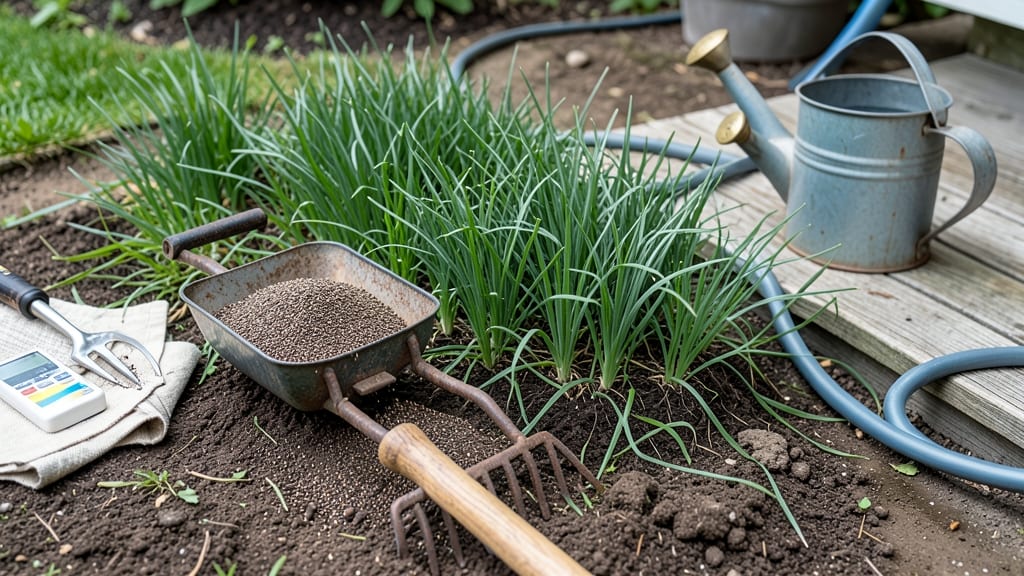
Plant grass seed in Pennsylvania in spring when soil temperatures hit 50°F and stay there for at least a week—typically between mid-April and early May, depending on your region.
Timing your grass seed planting in Pennsylvania isn’t just about the calendar—soil temperature, frost risk, and regional microclimates can make or break your lawn’s success this spring.
In USDA zones 5b-7a, waiting too long risks summer heat stress, while planting too early means seed rot from lingering frosts. The Pittsburgh area often sees safe planting by mid-April, while Philadelphia’s urban heat island may push that window to late April.
Below, I’ll walk you through how to check soil temps, adjust for late frosts, and choose the right seed—plus a 6-week checklist to keep your lawn lush from first blade to first mow.
Optimal soil temperature & frost-free dates for PA grass seed planting
Planting grass seed in Pennsylvania’s spring climate requires precision—soil temperature and frost-free dates are the two most critical factors.
Cool-season grasses like Kentucky Bluegrass and Fescue thrive when soil reaches 50°F or warmer, but planting too early risks frost damage, while waiting too long can lead to summer drought stress.
Pennsylvania’s diverse regions—from Philadelphia’s urban heat islands to the Pocono Mountains—experience frost-free dates that vary by 2-3 weeks.
To avoid common mistakes, I always check local frost dates using the NOAA Climate Data tool or gardening apps like PlantNet. For example, Philadelphia typically sees its last frost around April 15, while Scranton’s mountainous terrain can delay frost-free conditions until May 1.
These differences mean your planting window should shift based on your USDA Zone (5b-7a) and elevation.
Here’s the key rule: Plant grass seed 4-6 weeks before your last frost date, but only when soil temperatures consistently stay above 50°F.
Early spring planting (February-March) in southern PA may work, but northern regions should wait until late April or early May to ensure seed germination isn’t stunted by cold snaps.
🌱
This comparison table highlights how regional differences dictate your planting timeline. For instance, Kentucky Bluegrass germinates faster in Philadelphia’s warmer microclimate, while Fine Fescue thrives in Scranton’s cooler, higher-elevation soils. Always verify your local frost dates using the NOAA’s Climate Data or the Old Farmer’s Almanac for real-time updates.
To check your soil temperature, I recommend using a soil thermometer or a gardening app like Gardenate. Insert the probe 2 inches deep in the soil and monitor temperatures for 3-5 days to confirm consistency. If temperatures dip below 50°F at night, delay planting until conditions stabilize.
Another pro tip: Seed selection matters. Tall Fescue is drought-tolerant and ideal for Pittsburgh’s variable spring weather, while Kentucky Bluegrass spreads quickly in Philadelphia’s well-drained urban soils. For high-altitude areas like the Poconos, opt for Fine Fescue, which handles cooler soils better.
🌿
If you’re unsure about your region’s frost dates, sign up for local weather alerts from the National Weather Service. They often provide 10-day forecasts that include frost risk warnings. I also recommend testing your soil’s pH level (6.0-7.0) before planting—cool-season grasses struggle in acidic or alkaline soils.
Adjust with lime (to raise pH) or sulfur (to lower pH) if needed.
Finally, remember that late spring planting (June) is possible for warm-season grasses like Bermuda, but these aren’t ideal for Pennsylvania’s climate. Stick to cool-season varieties and plant within your region’s 4-6 week frost-free window for the best results.
☀️
Step-by-step spring planting timeline with PA-specific adjustments
Pennsylvania’s spring planting window for grass seed spans 6 weeks, but timing varies dramatically between Philadelphia’s urban heat and the Pocono Mountains’ high-altitude chill. My PA-specific checklist accounts for these differences, ensuring your lawn establishes strong roots before summer heat arrives.
Start by testing your soil temperature—cool-season grasses like Kentucky Bluegrass and Fescue need 50°F+ soil for 7+ days. Use a soil thermometer (available at garden centers) or check NOAA frost-free maps for your USDA zone (5b-7a).
In Philadelphia, aim for late April, while Poconos gardeners should wait until early May.
Here’s your 6-week action plan, adjusted for PA’s microclimates:
- Test soil pH (6.0-7.0) with a home test kit or send a sample to Penn State Extension.
- Aerate compacted soil using a core aerator (rent or buy for $50-$100).
- Spread 2-3 inches of compost and lightly rake to loosen topsoil.
- Choose cool-season grasses: Kentucky Bluegrass (fast-growing, needs sun) or Tall Fescue (drought-tolerant).
- Plant 1/4 inch deep, spacing seeds 1/2 inch apart for even coverage.
- Lightly top-dress with straw to retain moisture and prevent erosion.
- Water daily for 15 mins (morning only) until seeds sprout (7-14 days).
- Switch to deep watering (1 inch/week) to encourage root growth.
- Apply starter fertilizer (10-0-10) at half-strength 2 weeks post-planting.
- Mow when grass reaches 3-4 inches (set mower to 3 inches high).
- Fertilize with slow-release nitrogen (16-4-8) for lush growth.
- Monitor for weeds—hand-pull or spot-treat with vinegar spray if needed.
For high-altitude areas (Poconos), delay planting until soil temps stay above 55°F for 10+ days to avoid late frosts. In Philadelphia’s urban heat islands, start 2 weeks earlier but use shade-tolerant Fescue mixes if your lawn gets partial sun.
Pro tip: Use a weather app like PlantNet to track 7-day forecasts—avoid planting if nighttime temps drop below 40°F after sowing. With this timeline, your lawn will be dense and drought-resistant by summer.
🌱