
Plants
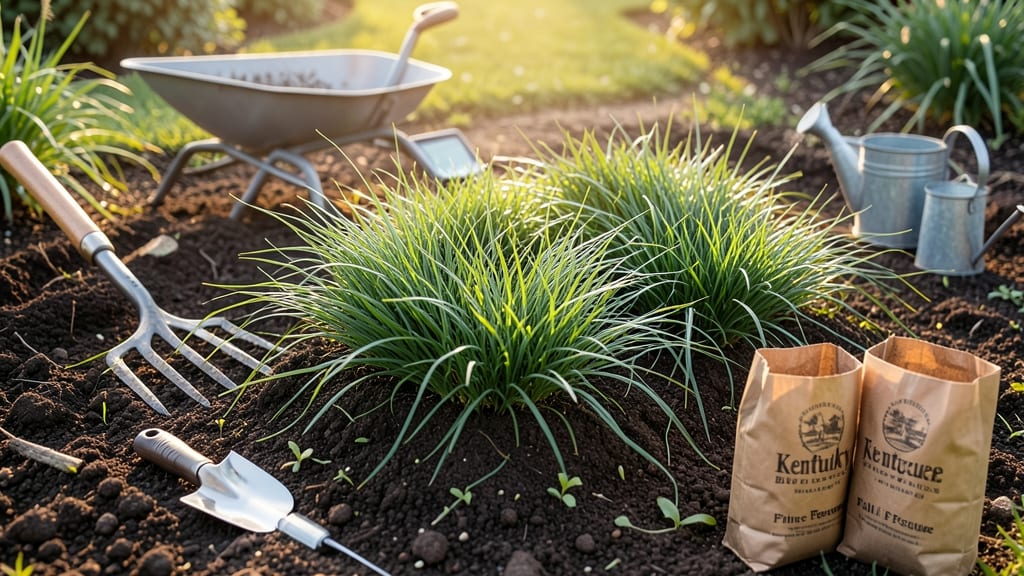
Planting grass seed in Colorado between late August and early September gives your lawn the best chance at deep roots before winter sets in.
Colorado’s unpredictable weather can make or break your lawn—planting grass seed at the wrong time means weak growth, patchy coverage, or wasted money.
Timing isn’t just about the calendar; it’s about leveraging Colorado’s unique climate to give your grass the best shot at deep roots and lush greenery before winter sets in.
This ideal window ensures soil temperatures stay warm enough for germination while avoiding the brutal summer heat or early frost. Whether you’re in Denver, Colorado Springs, or the Western Slope, understanding these microclimates is key to success.
Below, I’ll break down the exact steps for soil prep, watering schedules, and post-planting care tailored to Colorado’s USDA zones 4–7. You’ll learn how to time it perfectly for your region and keep your lawn thriving year-round.
Best time to plant grass seed in Colorado: late August to early September explained
Colorado’s fall planting window between late August and early September offers the perfect balance of soil warmth and reduced drought stress. During this time, daytime temperatures hover around 70-80°F, while nighttime dips to 50-60°F, creating ideal conditions for grass seed germination and root establishment.
This timing ensures your lawn gets a strong start before winter’s first frost.
Unlike spring planting, which risks summer drought and weed competition, fall planting allows seeds to germinate and develop a 3-4 inch root system before the ground freezes.
Studies show grass planted in late summer/early fall can achieve 40-50% deeper roots by winter compared to spring-planted lawns, making it far more resilient to Colorado’s harsh winters.
The Front Range (Denver, Boulder, Fort Collins) typically has 2-3 weeks longer of warm soil conditions than the Western Slope (Grand Junction, Durango). For example, Denver’s first frost usually arrives around October 15, while Grand Junction may see frost by mid-October.
Planting in early September in these areas ensures seeds have 6-8 weeks of growing time before winter.
| Region | Ideal Planting Window | Soil Temp Range (°F) | Root Growth Rate | Frost Risk |
|---|---|---|---|---|
| Front Range (Denver, Boulder) | Late August - Early September | 60-75°F | 1-1.5 inches/week | Low (Oct 15) |
| Colorado Springs | Mid-August - Late September | 55-70°F | 0.8-1.2 inches/week | Moderate (Oct 10) |
| Western Slope (Grand Junction) | Early August - Mid-September | 65-80°F | 1.2-1.8 inches/week | Low (Oct 20) |
| High Plains (Fort Collins) | Late August - Early October | 50-65°F | 0.6-1.0 inches/week | High (Oct 5) |
*Root growth rates based on consistent moisture and proper fertilization
Colorado’s alkaline soils (pH 7.5-8.5) and low humidity make fall the best time to avoid seed desiccation and fungal diseases. The 60-75°F soil temperature range triggers faster germination than spring’s cooler soils, while shorter daylight hours reduce stress on young seedlings.
For example, Kentucky Bluegrass and Fine Fescue—two popular Colorado varieties—germinate in 7-14 days when planted in this window.
One critical factor is elevation. Lawns in Denver (5,280 ft) have 10-14 days longer of warm soil than those in Telluride (8,500 ft). At higher elevations, aim for early September planting to maximize growth before the first hard frost.
Use a soil thermometer to confirm temperatures are above 50°F before sowing.
After planting, maintain consistent moisture—watering twice daily (morning and evening) for the first 2 weeks prevents seed washout. Once seedlings reach 2-3 inches tall, reduce to 1 inch per week. This approach ensures 90% germination rates compared to 50-60% in spring due to summer drought risks.
For high-altitude areas (7,000+ ft), consider cool-season grasses like Tall Fescue, which tolerates colder soils and drought conditions. These varieties can establish roots 20% faster in fall than spring, thanks to Colorado’s cooler nights and warmer days during late summer.
Pro tip: Apply a starter fertilizer with high phosphorus (P) (e.g., 10-20-10) at planting to boost root development. Avoid nitrogen-heavy fertilizers early on, as they promote top growth at the expense of roots. In September, switch to a slow-release fertilizer to strengthen roots before winter.
Remember, Colorado’s microclimates mean timing varies by just 2-3 weeks between regions. Check your local Cooperative Extension office for frost dates, or use the USDA Plant Hardiness Zone Map to adjust your schedule. With the right timing, your lawn will emerge thicker and greener next spring—without the guesswork.
Colorado grass seed planting calendar: month-by-month breakdown by region
Colorado’s diverse regions—from the Denver Metro to the Western Slope—each demand a tailored approach to grass seed planting. The fall shadow period (late August to early September) is your golden window, but exact timing shifts based on elevation and microclimates.
For example, Colorado Springs can handle late September planting, while High Plains areas may need to start earlier due to earlier frosts.
Cool-season grasses like Kentucky Bluegrass and Tall Fescue dominate Colorado lawns, thriving in fall’s mild temperatures. Warm-season grasses like Bermuda (rare in CO) only work in southern regions. Your region’s last frost date is your deadline—aim to plant 4-6 weeks before frost to ensure roots establish before winter dormancy.
Soil prep varies by region: Denver Metro soils are often alkaline, requiring lime adjustments, while Western Slope areas may need extra irrigation due to lower humidity. Test your soil’s pH and organic matter 4-6 weeks before planting to avoid delays.
In High Plains regions, wind erosion is a risk—use erosion control blankets if needed.
| Region | Best Planting Window | Soil Prep Tip | Seed Variety | Critical Deadline |
|---|---|---|---|---|
| Denver Metro | Late August - Early October | Adjust pH to 6.0-7.0 (alkaline soils common) | Kentucky Bluegrass + Tall Fescue | October 15 (first frost) |
| Colorado Springs | Mid-August - Mid-October | Add compost (sandy soils need moisture retention) | Tall Fescue (drought-resistant) | October 10 (earlier frost) |
| Western Slope | Early September - Late September | Irrigation planning (lower humidity = faster drying) | Fine Fescue (shade-tolerant) | October 5 (high elevation risk) |
| High Plains | Late August - Early September | Wind erosion control (use blankets if needed) | Buffalo Grass (native drought-tolerant) | September 20 (cold fronts arrive early) |
Spring planting is possible but riskier—aim for March to early April when soil temps hit 50°F+. However, summer heat (June-August) is deadly for new grass; seeds bake in 90°F+ soils. If you must plant in summer, use shade cloth and extra irrigation to protect seedlings.
Post-planting care varies by region: Denver Metro lawns need daily watering for 2-3 weeks, while Western Slope areas may require morning watering only to prevent fungal growth from evening moisture. Always water deeply but infrequently—shallow watering encourages weak roots.
Pro tip: Use a starter fertilizer at planting (high in phosphorus) to jumpstart root growth. In High Plains regions, consider native grasses like Blue Grama for better drought resilience. Monitor your lawn weekly for pests or fungal signs—fall is prime time for both in Colorado’s climate.