
Plants
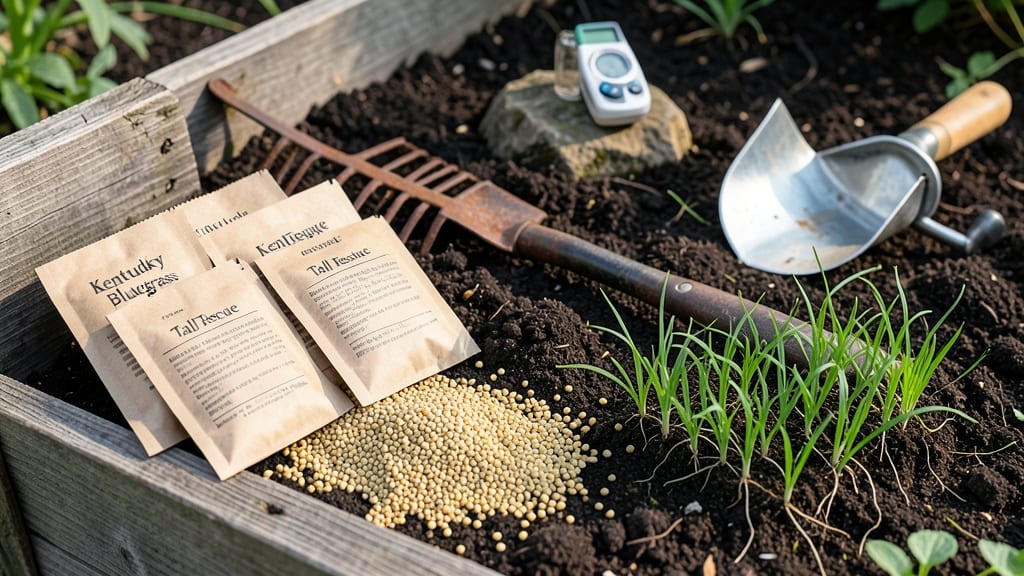
Planting grass seed in Pennsylvania at the right time means the difference between a lush, green lawn and a patchy, weak mess — and the best windows are early spring or early fall.
Picture this: you’ve spent hours raking, leveling, and spreading seed, only to watch it bake under summer sun or freeze in a late spring frost. Timing is everything, especially in PA’s 5b-7a zones, where weather shifts can make or break your grass.
Cool-season grasses like Kentucky bluegrass and fescue thrive when soil temps hover between 50°F and 65°F, which is why early fall (August-September) is the gold standard for most of the state. Spring planting works too, but you’ve got to act fast before the heat arrives.
In this guide, I’ll break down the exact months to plant by region, how to prep your soil for success, and the 5 signs you’re planting too early or too late — so you can skip the guesswork and get a lawn that’s the envy of the neighborhood.
Best months to plant grass seed in Pennsylvania by climate zone
Pennsylvania’s diverse climate—spanning USDA zones 5b to 7a—means the perfect time to plant grass seed varies dramatically from south to north. For cool-season grasses like Kentucky Bluegrass and Tall Fescue, timing is everything to ensure strong root growth and weed suppression.
Plant too early, and seedlings risk frost damage; too late, and summer heat stresses young plants. Let’s break down the ideal planting windows by Pennsylvania’s 5 climate zones, including soil temperature and rainfall cues.
Fall planting is widely considered the gold standard for Pennsylvania lawns because cooler air temperatures and consistent rainfall create ideal germination conditions. However, spring planting works too—if you follow the soil temperature rule of waiting until the ground warms to 50°F (10°C) at a 4-inch depth.
Each zone’s microclimate affects these thresholds, so we’ll tailor recommendations to maximize success. For example, Southern PA can start earlier than Northeast PA, where frosts linger longer.
| Climate Zone | Best Planting Window | Soil Temp (4" Depth) | Rainfall Needs | Grass Variety Tips |
|---|---|---|---|---|
| Southern PA (Zone 7a) | Late August–Early October OR Early March–Mid-April |
50–65°F (10–18°C) | 1–1.5" weekly | Tall Fescue thrives here; overseed Bermuda grass in late spring. |
| Southeast PA (Zone 6b) | Mid-August–Mid-September OR Mid-March–Early May |
45–60°F (7–15°C) | 1–1.25" weekly | Kentucky Bluegrass loves this zone; avoid planting after September 15. |
| Central PA (Zone 6a) | Early August–Late September OR Late March–Late April |
40–55°F (4–13°C) | 0.75–1.25" weekly | Mix Fine Fescue for shade tolerance in wooded areas. |
| North Central PA (Zone 5b) | Late July–Early September OR Early April–Mid-May |
35–50°F (2–10°C) | 0.5–1" weekly | Perennial Ryegrass germinates fastest in cooler temps. |
| Northeast PA (Zone 5b) | Mid-August–Late August OR Mid-April–Early June |
30–45°F (-1–7°C) | 0.5–0.75" weekly | Avoid late-summer planting—heat stress is common. |
In Southern PA (Zone 7a), where summers are hotter and winters milder, you’ve got a 6-week window in late summer to plant before September 15. This zone benefits from Tall Fescue, which handles heat better than Kentucky Bluegrass.
For spring planting, aim for early March—soil warms faster here, but watch for late frosts that can delay germination. A soil thermometer is your best friend; 50°F (10°C) is the magic number for consistent sprouting.
Moving north to Central PA (Zone 6a), the window narrows slightly to early August–late September for fall planting. Here, Fine Fescue mixes well with Kentucky Bluegrass for shade-prone areas. Spring planting should wait until late March to avoid soil compaction from snowmelt.
Rainfall is slightly lower than Southern PA, so daily watering (1/2 inch) is critical until roots establish. Use a rain gauge to track moisture—you’ll need 0.75–1.
How to prepare your soil for fall vs. spring planting in PA
Preparing your soil for grass seed in Pennsylvania depends entirely on whether you’re planting in early fall (August-September) or spring (March-April). Both seasons offer advantages, but the process differs—especially when it comes to fertilizer timing, tilling depth, and moisture retention.
Fall planting, for example, lets seeds germinate in cooler temps with consistent rainfall, while spring planting races against summer heat.
No matter the season, start by removing all debris and weeds from your lawn area. Use a rake or dethatching tool to clear away dead grass, leaves, and rocks. This step is critical because buried debris can block seed-to-soil contact, leading to poor germination rates.
If your lawn has thick thatch (over ½ inch), consider renting a dethatcher to break it up.
Next, test your soil’s pH level—ideal for grass is between 6.0 and 7.0. Pennsylvania’s soil often leans acidic, especially in wooded or older farmland areas. Grab a soil test kit (or send a sample to your local Penn State Extension office) to check.
If your pH is off, amend it with lime (to raise pH) or sulfur (to lower pH) 4-6 weeks before planting.
Fall Planting (August-September) vs. Spring Planting (March-April)
Fall Planting
- Pros: Cooler temps reduce weed competition, seeds germinate faster with fall rains.
- Cons: Shorter window (late Sept. frost risk), requires early prep.
Spring Planting
- Pros: Longer growing season, easier to monitor progress.
- Cons: Hot/dry spells stress seedlings, weeds germinate faster.
Key Differences
- Tilling Depth: 3-4 inches (fall) vs. 2-3 inches (spring).
- Fertilizer: Light feed (fall) vs. balanced NPK (spring).
- Watering: Deep weekly (fall) vs. daily (spring seedlings).
PA-Specific Tips
- Northern PA: Plant fall seeds by September 15 to avoid early frost.
- Southern PA: Spring planting can extend to mid-April safely.
- Soil Temp: Aim for 50-65°F for germination.
For fall planting, till the soil to a depth of 3-4 inches to loosen compacted layers. This depth encourages deep root growth before winter. Mix in 2-3 inches of compost or well-rotted manure to improve moisture retention and nutrient availability.
In Pennsylvania’s variable climate, fall rains often provide consistent moisture, but adding a mulch layer (like straw) helps retain humidity and regulates soil temperature.
When planting in spring, till only 2-3 inches deep—deeper tilling can bring up buried weeds or disrupt emerging roots. Apply a balanced fertilizer (10-10-10 or 16-4-8) at planting time to kickstart growth.
Unlike fall, spring seedlings need daily watering (about ½ inch per week) until they establish a root system, typically within 3-4 weeks. Use a sprinkler with gentle mist to avoid displacing seeds.
One often-overlooked step is leveling the soil. Use a rake to create a smooth, even surface—this prevents water pooling and ensures uniform seed distribution. For larger lawns, consider renting a landscaping rake or laser level to achieve a professional finish.
After planting, lightly roll the area with a lawn roller to press seeds into the soil without burying them too deeply.
Finally, protect your new grass from birds and wildlife, which may peck at seeds. Spread seedling netting or use a lightweight straw mulch blanket until germination (usually 7-21 days).
In Pennsylvania’s Zone 5b-7a, fall-planted grass often outpaces spring-planted lawns by early summer—so if you’re patient, the extra effort in soil prep pays off big time.