
Planting
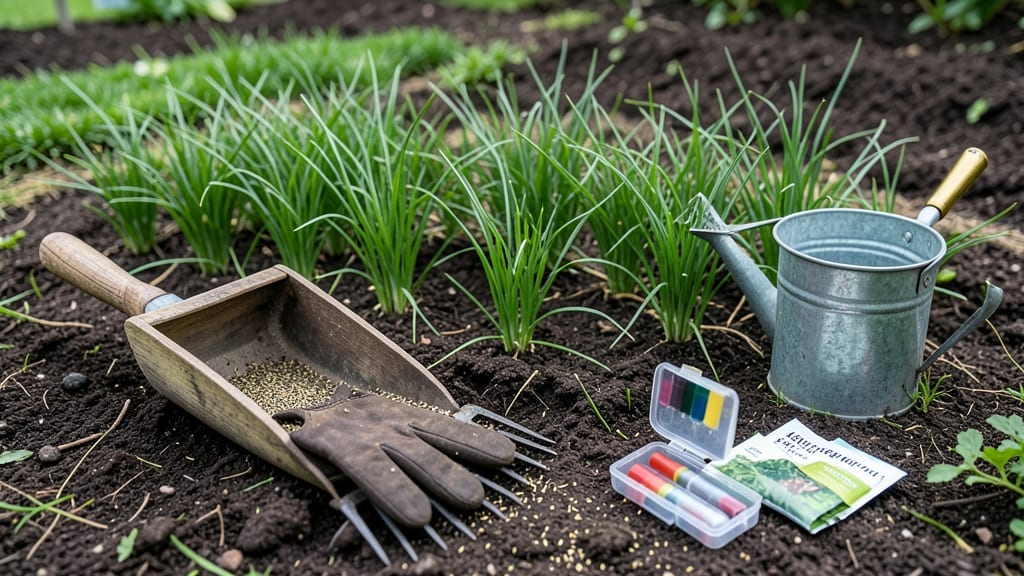
To plant grass seed in New York, aim for early spring or early fall when soil temperatures hit 50-65°F—any earlier, and frost will kill your 🌱 seedlings before they take root.
New York’s unpredictable spring weather can turn a perfect lawn into a frustrating gamble. Plant grass seed at the wrong time, and you risk frost-killed seedlings or wasted money. Timing isn’t just about the calendar; it’s about soil temperature, frost-free dates, and your specific NY planting zone.
Most gardeners in zones 5a-7b get their best results by seeding between March and April or September and October, when the ground is warm enough but still cool enough to avoid drought stress.
Below, I break down the exact soil temps to watch for, how to adjust for your corner of the state, and why fall planting often beats spring for a thicker, greener lawn by next summer.
Ideal soil temperature and frost-free deadlines by new York planting Zone
New York’s diverse climate means your planting success hinges on understanding soil temperature thresholds and frost-free deadlines. Grass seed thrives when soil reaches 50-65°F, but timing varies dramatically across NY’s USDA zones 3-7.
In colder zones like Zone 3, you might wait until late May, while Zone 7 gardeners can start as early as March. These differences aren’t just about comfort—they’re about survival for your seedlings.
Fall planting offers a second chance for many NY gardeners, especially in Zones 4-7, where September-October provides ideal conditions. The key? Planting 4-6 weeks before the first frost—typically between mid-September and early October—gives grass enough time to establish roots before winter dormancy.
But don’t guess: verify your local frost dates using the USDA Plant Hardiness Zone Map or your county’s agricultural extension office.
Here’s the critical data you need to plan your grass seed planting in NY, broken down by zone:
For example, if you’re in Zone 5 (common in upstate NY like Albany or Syracuse), aim for early April planting when soil temps hit 50°F. Skip the rush—waiting until mid-April ensures your seed won’t freeze overnight.
In Zone 7 (Long Island or NYC), you can start as early as late February, but monitor soil temps closely—cold snaps can still occur.
Fall planting in Zones 4-7 is my favorite strategy because cooler air and soil reduce weed competition and disease pressure. Grass establishes roots without the stress of summer heat.
Just don’t wait too late—Zone 6 gardeners should finish by mid-October, while Zone 7 has until early November to plant before winter sets in.
Pro tip: Use a soil thermometer ($10 at garden centers) to confirm temps before planting. Stick it 2 inches deep (where seeds will germinate) and wait until readings stay above 50°F for 5+ days.
This simple step saves countless dollars in wasted seed. For real-time data, check the NOAA Climate Data website or your local Cooperative Extension Service for hyper-local forecasts.
Remember, NY’s microclimates can shift dramatically even within a few miles. A valley might frost 2 weeks later than a hilltop, so always scout your yard. Look for signs of last year’s weeds—if they’re greening up, your soil is warming.
And if you’re near a large body of water (like the Finger Lakes or Hudson River), expect later frosts
One common mistake? Planting based on air temperature instead of soil temperature. A sunny 70°F
How to prepare your lawn for grass seed planting in NY’s climate
New York’s cool-season climate demands extra prep work before seeding—especially when battling crabgrass and drought stress common in zones 5a-7b. Proper soil prep isn’t just about timing; it’s about creating the perfect canvas for your grass seed to thrive, whether you’re reseeding or establishing a new lawn.
I’ve learned from years of trial-and-error that skipping these steps can mean wasted seed, slow germination, or a lawn overtaken by weeds. The key is to test your soil, adjust the pH balance, and eliminate competition before planting.
Let’s break this down into actionable steps tailored for NY’s unpredictable weather.
🌱 Step-by-Step Lawn Prep Checklist for NY
- 1
- 2
- 3
- 4
- 5
- 6
- 7
For overseeding existing lawns, mow your grass short (1 inch) 2-3 days before seeding to create space for new grass to establish. This is especially critical in fall planting, when NY’s cooler temps reduce weed competition and improve germination rates.
Pro tip: If your lawn has bare patches, mix compost with the soil before seeding to improve nutrient content and moisture retention. In drought-prone areas (like western NY), consider adding hydro-mulch to retain moisture during the critical first 2 weeks of growth.
Remember, NY’s climate can be unforgiving—one week of unexpected frost or drought can derail even the best-laid plans. By following these steps, you’ll give your grass seed the best possible start, whether you’re planting in spring or fall. 🌱