
Plants
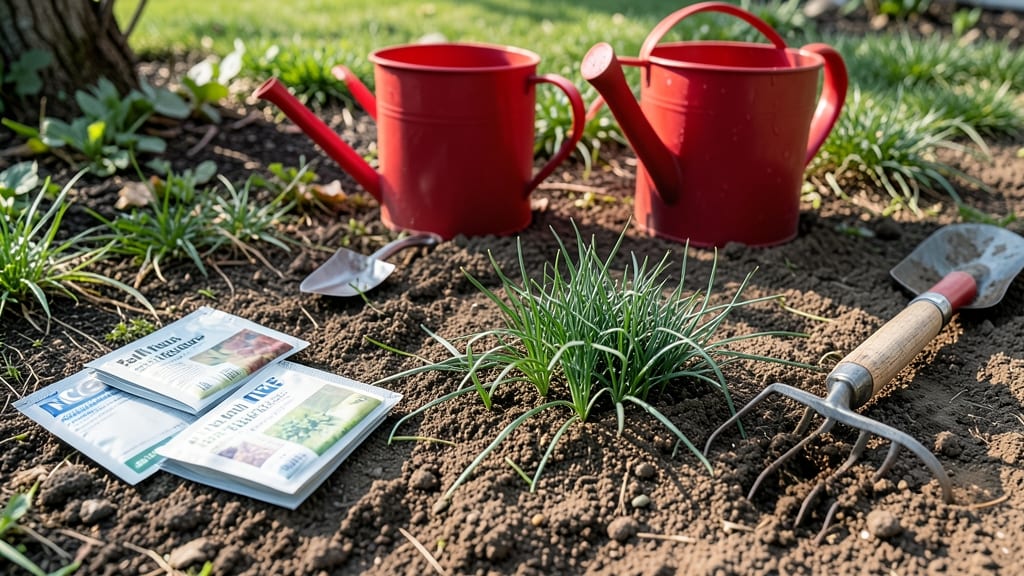
Planting grass seed in North Carolina in spring means timing it right to beat the frost and soil temperature swings that can ruin your lawn.
One wrong move—like seeding too early when the ground is still cold or too late when summer heat arrives—and you’ll end up with patchy, weak grass that fights for survival. NC’s climate demands precision, especially since zones 6a to 8b have wildly different frost-free deadlines.
Cool-season grasses like tall fescue thrive when planted in early spring, while warm-season types such as Bermuda need to wait until soil hits 50°F or above.
I’ll walk you through the exact windows for each zone, soil prep secrets, and how to keep your new lawn hydrated without drowning it.
Whether you’re a first-timer or a seasoned gardener, these NC-specific tips will help you skip the common mistakes and grow a lawn that’s thick, green, and built to last.
NC spring grass seed planting deadlines by USDA hardiness zones (6b-8a)
North Carolina’s diverse climate means your grass seed planting window varies dramatically between USDA Zones 6b and 8a. Planting too early risks frost damage, while waiting too long can leave your lawn vulnerable to summer heat stress.
The key? Understanding your zone’s average last frost date and soil temperature thresholds for germination.
For optimal results, aim to plant when soil temperatures consistently reach 50-65°F—the sweet spot for most grass seed varieties. In NC, this typically aligns with 4-6 weeks before your zone’s last frost, but timing shifts from late February in Zone 8a to mid-April in Zone 6b.
Let’s break it down by zone to avoid common mistakes.
⚠️ PRO TIP: Use a soil thermometer to confirm temperatures before planting. Many garden centers sell them for under $15, and they’re worth every penny for NC’s unpredictable spring weather.
In Zone 6b, where frosts linger until mid-April, I recommend waiting until mid-March to plant cool-season grasses like tall fescue. The soil needs to stay above 50°F for 5+ days to prevent seed rot.
If you’re planting warm-season grasses like Bermuda, wait until late April when soil temps hit 70°F.
For Zone 7a and 7b, the window opens earlier—late February to mid-March—but pay attention to nighttime temperatures. A hard frost after planting can kill young seedlings. I’ve seen this happen in Raleigh when gardeners rush to plant in February only to get hit by a late freeze.
Use frost cloth if you’re pushing the early dates.
Gardeners in Zone 8a (think Southern Piedmont) have the earliest window—January to mid-February—but this is risky for cool-season grasses. Instead, focus on warm-season varieties like Bermuda or Zoysia. These grasses thrive when soil temps stay above 65°F, which typically happens by March in Zone 8a.
One mistake I see often is relying on calendar dates instead of soil conditions. For example, planting in early March in Zone 7a might seem safe, but if a cold snap drops soil temps below 45°F, your seeds could fail to germinate.
Always check with a soil thermometer or local Cooperative Extension Service for real-time updates.
If you miss the spring window, don’t worry—early fall (August-September) is the second-best time to plant in NC. This gives grass roots time to establish before winter. Just adjust your fertilizer schedule to avoid late-season growth that won’t harden off before frost.
For Zone 6b gardeners, I also recommend preparing your soil in late winter (February) by adding compost and starter fertilizer. This head start ensures your lawn is ready to seize the moment when the frost-free window opens in March.
In warmer zones like 8a, focus on weed control in late winter to give new grass a competitive edge.
Remember: The goal is consistent soil temperatures, not just frost-free days. Even if the air is warm, cold soil can stall germination. For the best results, plant when you can push a finger 2 inches deep into the soil and feel it’s warm to the touch.
That’s your green light to sow!
How to adjust planting timing for cool-season vs. warm-season NC grass types
North Carolina’s spring planting season isn’t one-size-fits-all—it depends entirely on whether you’re growing cool-season grasses like tall fescue or warm-season types such as Bermuda. These two categories have opposite temperature preferences, meaning their ideal planting windows differ by 6-8 weeks in NC.
Cool-season grasses thrive in 50-65°F soil, while warm-season varieties need 65-75°F to germinate properly.
For cool-season grasses (tall fescue, Kentucky bluegrass, ryegrass blends), the sweet spot is March-April across most of NC. In Zone 6b, this means waiting until mid-March when soil temps consistently reach 50°F.
In warmer Zone 7b/8a, you can start as early as late February, but always verify with a soil thermometer—cold soil will stall germination even if air temps feel spring-like.
Warm-season grasses like Bermuda, Zoysia, and Centipede play by different rules. These varieties won’t germinate until soil hits 65°F or above, which typically happens in late April to May in NC. Planting them earlier risks seed rot, while waiting too long means summer heat stress before establishment.
In Zone 8a, you can push Bermuda seeding to early April, but Zone 6b gardeners should wait until late May to avoid frost damage.
Beyond timing, soil preparation differs dramatically between these grass types. Cool-season grasses benefit from light soil disturbance—just enough to loosen the top 1/4" for seed contact. Warm-season grasses, however, need deeper tillage (2-3") to break through compacted layers.
I’ve seen Bermuda fail in Zone 7b because gardeners didn’t till deep enough—resulting in poor root penetration and weak establishment.
Another critical difference is fertilizer timing. Cool-season grasses should get starter fertilizer at planting (high phosphorus for roots), while warm-season types need light nitrogen applied 4-6 weeks after germination.
Over-fertilizing warm-season grasses too early causes sod webworm infestations—a common NC problem when grass grows too fast before roots strengthen.
For Zone 6b gardeners planting cool-season grasses, I recommend a two-step approach: Prepare soil in February (add compost, test pH), then seed in mid-March when soil hits 50°F.
In Zone 8a, focus on warm-season grasses and plant in late April after the last frost risk passes. Use straw mulch to retain moisture during NC’s unpredictable spring showers.
Pro tip: If you’re unsure which grass type suits your lawn, consider overseeding in fall—a strategy that works for both cool and warm-season varieties. For example, plant tall fescue in spring (cool-season) and Bermuda in late summer (warm-season) to create a year-round green lawn that thrives in NC’s climate shifts.