
Plants
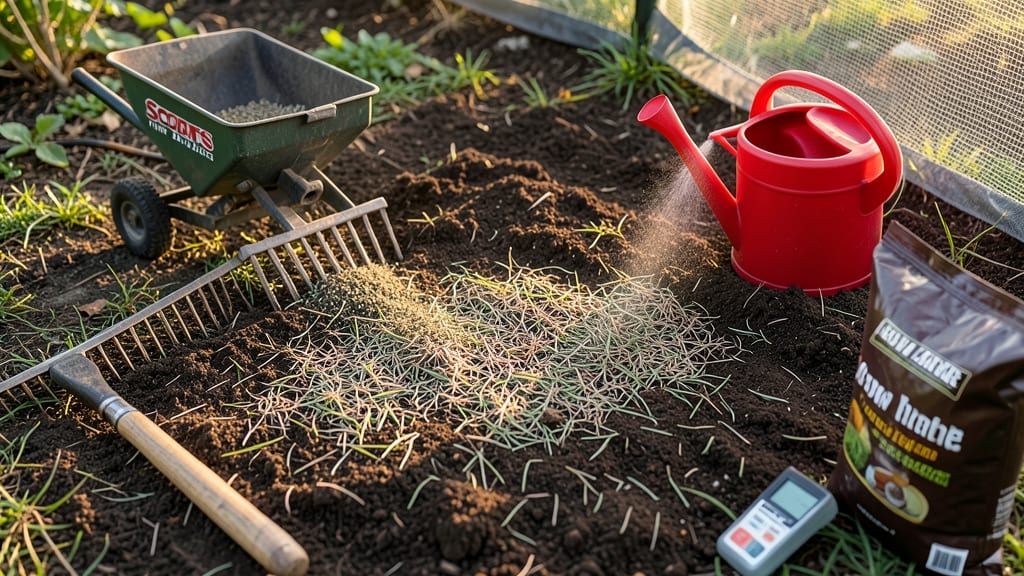
Planting grass seed in the fall is your best bet for a thicker, frost-proof lawn—but the clock is ticking.
Fall is the perfect time to plant grass seed—but timing is everything. Plant too early, and frost will kill your seedlings; too late, and winter dormancy stunts growth. Here’s how to pinpoint the ideal window for your climate zone and ensure a lush, frost-proof lawn by spring.
In USDA Zone 6a, like much of the Midwest, aim for 4–6 weeks before your first frost—typically late August to early September. This window lets roots establish before winter, giving you a head start when spring arrives.
But if you’re in warmer zones, like the Deep South, you might have until November.
Below, I’ll break down the exact deadlines by zone, how to prep your soil for success, and the 3 signs your timing is off. Whether you’re overseeding or starting fresh, these steps will help you avoid common pitfalls and get that green carpet growing strong.
Fall grass-seeding deadlines by USDA Hardiness Zones: exact weeks before frost
Timing your fall grass seeding is critical—plant too early, and seedlings may bolt in heat; too late, and frost stunts root growth. The ideal window is 4–6 weeks before your first frost date, when soil temps hover between 60–75°F and days stay warm but nights cool.
This ensures strong root establishment before winter dormancy. Regional exceptions apply, especially in Zone 10, where mild winters allow later planting.
Your USDA Hardiness Zone dictates your exact deadline. For example, gardeners in Zone 3 (e.g., Minnesota) must plant by early September, while those in Zone 8 (e.g., Georgia) can seed until mid-November.
Below, we break down the optimal 4–6 week window for each zone, including soil temperature thresholds and regional adjustments for Pacific Northwest vs. Deep South climates.
🌱
| USDA Zone | First Frost Avg. | Optimal Planting Window | Soil Temp Threshold (°F) | Regional Notes |
|---|---|---|---|---|
| 3–4 | Mid-Sept | Late Aug–Early Sept | 60–70°F | Short window; use frost blankets |
| 5–6 | Late Oct | Mid-Sept–Early Oct | 60–75°F | Classic "fall window"; ideal for cool-season grasses |
| 7–8 | Mid-Nov | Late Sept–Mid-Nov | 65–75°F | Pacific NW: extend to Dec; Deep South: plant Bermuda by Sept |
| 9–10 | None (or Jan) | Oct–Nov (or year-round in Zone 10) | 70–80°F | Tropical grasses thrive; avoid winter dormancy |
In Zones 3–4, where winters are harsh, aim for late August to early September to avoid early frosts. Soil temperatures should stay above 60°F for at least 4 weeks post-planting.
Use frost blankets if nights dip below 32°F before roots establish. For Zones 5–6, the classic mid-September to early October window works best, aligning with cooler nights and warm days.
Gardeners in Zones 7–8 have flexibility, but timing varies by region. The Pacific Northwest (e.g., Oregon) can plant until mid-November thanks to milder winters, while the Deep South (e.g., Florida) should seed Bermuda grass by late September to avoid summer dormancy.
Always check your local frost date averages—tools like the National Weather Service provide zone-specific forecasts.
For Zones 9–10, frost is rarely a concern, but soil temperature thresholds still matter. Plant cool-season grasses like ryegrass in October and warm-season types like Zoysia in early fall to leverage cooler weather.
In Zone 10, you can even seed year-round, but aim for October–November to avoid summer heat stress on seedlings.
Pro tip: Test your soil temperature with a soil thermometer (insert 2–3 inches deep). If temps drop below 50°F at night, delay planting. Pair this with a seed germination test—if seeds sprout in 7–10 days at room temp, your timing is ideal. Slow germination signals it’s too late.
🌿
Regional microclimates can shift deadlines by 2–4 weeks. For example, mountainous areas in Zone 6 (e.g., Colorado) may need to plant by early September, while valleys in the same zone (e.g., Kansas) can wait until mid-October.
Use shade trees or south-facing slopes to create microclimates that extend your window. If your yard has partial shade, opt for shade-tolerant grasses like fine fescue, which germinate slower but thrive in cooler conditions.
Finally, don’t overlook seed variety. Cool-season grasses (e.g., Kentucky bluegrass, tall fescue) need the 4–6 week window before frost, while warm-season types (e.g., Bermuda, St. Augustine
5 Signs your fall grass seed planting timing is Wrong (And How to Fix It)
Even with the best grass seed, planting at the wrong time can turn your fall project into a winter casualty. If your seedlings are struggling, it’s often a timing issue, not poor-quality seed.
The ideal window is 4–6 weeks before your first frost, but even small miscalculations can spell disaster.
Here’s the kicker: In high-humidity climates like the Southeast, seeds planted too early may rot from excess moisture, while in dry regions like the Southwest, late planting can leave roots vulnerable to winter drought. Each zone has its own red flags—let’s decode them.
⚠️ callout-warning
If your grass seed was planted less than 4 weeks before frost, roots won’t establish before dormancy. Fix it: Use a frost blanket or switch to winter-hardy varieties like creeping red fescue. In Zones 7–10, extend your window with microclimate protection (e.g., mulch or row covers).
Your first clue? Slow germination after 2 weeks. If seeds aren’t sprouting despite consistent moisture, you’re likely planting too late. Cool-season grasses need soil temps between 60–75°F—any cooler, and growth stalls.
Check your local frost date and adjust: Aim for mid-September in Zones 3–5 and October–November in Zones 6–10.
Next, watch for fungal growth (moldy patches or discolored seedlings). This happens when seeds sit too long in wet, warm soil—a classic sign of early fall planting. Fix it by improving drainage, using fungicide-treated seed, or switching to drought-resistant varieties like tall fescue for drier climates.
Weak, spindly seedlings with shallow roots? You planted too late. Roots need 4–6 weeks of warm soil to anchor before winter. Solution: Pre-chill seeds for 24 hours in the fridge to kickstart germination, then use a lightweight frost blanket to shield young plants from early cold snaps.
Finally, if your lawn looks patchy or uneven by spring, your timing was off. Overseeding too early (e.g., August in hot zones) stresses seedlings, while late planting (e.g., November in cold zones) leaves them vulnerable. Pro tip: Test soil temps with a thermometer—ideal germination temps are 60–75°F.
Adjust your schedule accordingly.
Don’t let timing ruin your lawn—use these signs to course-correct and get that lush fall start you’re after. 🌱