
Plants
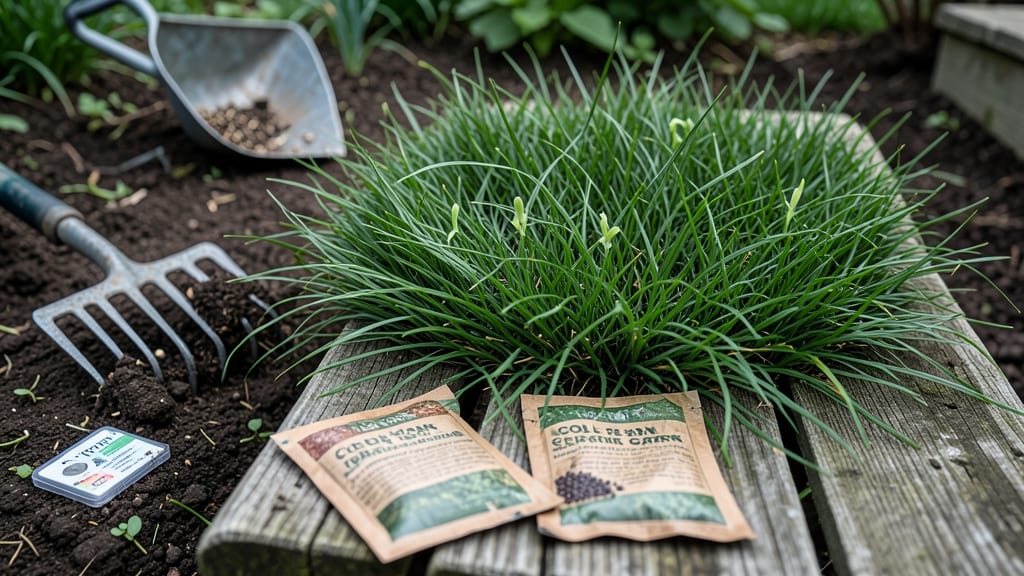
Planting grass seed in Northern NJ at the right time means the difference between a lush, green lawn and a patchy, weed-filled disappointment.
Struggling to get your Northern NJ lawn looking lush? Timing grass seed planting wrong can mean slow germination, weed competition, or wasted seed—don’t let that happen this year. The key isn’t just picking a month but reading your soil’s temperature, which shifts faster than the calendar.
In USDA Zone 6a, cool-season grasses like Kentucky bluegrass and fescue thrive when soil hits 55–65°F, while warm-season Bermuda grass waits for 65–75°F. That means planting in early spring (March–April) or early fall (September–October) for the fastest, most reliable results.
Below, I break down the exact soil temp checklist, how to adjust for Northern NJ’s unpredictable frosts, and the three mistakes that kill germination before it starts. Ready to plant with confidence?
Northern NJ grass seed planting timeline by soil temperature (not calendar months!)
Forget relying on calendar months—soil temperature is the real secret to successful grass seed germination in Northern NJ. Cool-season grasses like tall fescue and Kentucky bluegrass thrive when soil hits 50-65°F, while warm-season types such as zoysia need 65-75°F to sprout.
Planting at the wrong temperature means slow starts, weak roots, and wasted seed. Let’s break down the exact windows for your region’s USDA Zone 6a/6b climate.
Northern NJ’s unpredictable spring and fall weather makes timing tricky. A soil thermometer (just $10) is your best tool—rent one if you don’t want to buy. Check temperatures at 1-inch depth in the morning for the most accurate reading.
If your soil is too cold, even the best seed won’t germinate. Too hot? Seeds dry out before sprouting. We’ll show you how to work with Mother Nature, not against her.
Here’s the critical soil temperature guide for planting grass seed in Northern NJ, organized by season and grass type:
| Grass Type | Ideal Soil Temp (°F) | Best Planting Window | Northern NJ Months | Key Tips |
|---|---|---|---|---|
| Cool-Season (Tall Fescue, Kentucky Bluegrass, Perennial Ryegrass) | 50-65°F | Early spring (after last frost) or early fall (4-6 weeks before first frost) | Late April - Early May September - Mid-October |
Avoid planting when soil temps exceed 70°F (seeds dry out). Water daily until germination. |
| Warm-Season (Zoysia, Bermuda) | 65-75°F | Late spring (after soil warms consistently) | Late May - June | Use black plastic mulch to warm soil faster. Keep soil moist but not soggy. |
| Cool-Season (Overseeding Existing Lawn) | 50-60°F | Early fall only (best success) | Late August - September | Mow shorter (1.5") before seeding. Apply starter fertilizer with seed. |
For Northern NJ’s USDA Zone 6a/6b, the best windows align with these soil temperatures. Cool-season grasses get a two-shot: early spring (late April) and early fall (September). Warm-season grasses like zoysia need to wait until late May when soil finally warms past 65°F.
Pro tip: If your soil runs cold in spring, use a black plastic mulch for 2-3 weeks before planting to warm it faster.
Timing matters because germination slows dramatically outside these ranges. For example, tall fescue may take 10-14 days to sprout at 60°F but 30+ days at 50°F. That extra time leaves room for weeds to steal nutrients.
Plant too late in fall, and frost will kill new shoots before they establish roots. Use this rule: Cool-season grasses need 4-6 weeks before the first frost to root deeply.
What if your soil temperature doesn’t match the ideal window? Don’t panic. For late spring plantings (after May), use shade cloth to keep soil cool and reduce evaporation. For early fall delays, extend the season with a row cover or light mulch.
The goal is to keep soil temps within 5°F of the ideal range for at least 3 weeks after planting.
Northern NJ’s microclimates add another layer. Shady spots stay cooler longer—wait until soil hits 55°F before planting cool-season grasses there. South-facing slopes warm faster; plant warm-season grasses 2 weeks earlier than flat areas. Always test multiple spots in your yard with a soil thermometer to account for these variations.
One common mistake? Planting cool-season grass in summer because the calendar says "it’s time." Your seed will sit there, dry and dormant, while weeds take over. Always check soil temperature first.
If it’s above 70°F, wait. The same goes for warm-season grasses in spring—they won’t sprout until soil warms, no matter how eager you are.
To track soil temps like a pro, check readings at 7 AM and 4 PM for 3 days. Average those temps to get the most accurate picture.
For example, if your morning soil is 55°F but afternoon hits 70°F, the average 62.5°F tells you it’s safe to plant tall fescue. Use this method to fine-tune your planting schedule every year—Northern NJ’s weather shifts, and so should your strategy.
Remember: Fast germination = strong roots. When you nail the soil temperature window, your grass will establish in 2-3 weeks instead of dragging out for months. That means fewer weeds, deeper roots, and a lawn that survives Northern NJ’s harsh winters.
Grab that soil thermometer, mark your calendar with these temps, and watch your lawn transform this season. 🌱
5 Key factors that determine your perfect planting window in Northern NJ
Northern NJ’s USDA Zone 6a/6b climate creates a tight window for planting grass seed. Unlike warmer regions, our cool springs and early falls demand precision—plant too early, and frost will stall germination; too late, and summer heat stresses young roots.
The key is understanding how these five factors interact to shift your ideal dates.
First, your grass seed type dictates timing. Cool-season grasses like Kentucky bluegrass and tall fescue thrive when soil reaches 55–65°F, while warm-season Bermuda grass waits for 65–75°F.
In Northern NJ, that means cool-season seeds get a March–April or September–October window, while Bermuda grass plays second fiddle to summer’s heat.
Here’s how these factors stack up in Northern NJ:
- 1. Climate Zone (6a/6b): Shorter growing season means earlier fall and later spring planting to avoid frost damage.
- 2. Soil Temperature: Cool-season grasses need 55–65°F; warm-season 65–75°F. Use a soil thermometer—don’t guess!
- 3. Microclimates: South-facing slopes warm faster; shaded areas stay cooler. Adjust planting by 1–2 weeks based on your yard’s sun exposure.
- 4. Frost Dates: Northern NJ’s last frost is April 15, first frost October 20. Plant 4–6 weeks before the first frost for fall seeding.
- 5. Seed Maturity: Cool-season grasses germinate in 7–21 days; warm-season takes 14–30 days. Late starts? Use black plastic mulch to warm soil faster.
Let’s tackle microclimates first. A sunny south-facing slope in Morristown might hit 60°F in early April when a shady Bergen County yard still sits at 45°F. Test your soil in multiple spots—if one area is 10°F warmer, plant there first.
For late starts, lay down black plastic 2–3 weeks before planting to raise soil temps by 10–15°F.
Frost dates are your hardest deadline. Cool-season grasses need 4–6 weeks to establish roots before winter. If you plant in late September, young shoots may not survive October’s first frost.
Warm-season grasses like Bermuda grass can handle heat but struggle with cool nights, so avoid planting before June 1 unless you’re using row covers.
Pro tip: Use a soil thermometer ($10 at garden centers) to track temps daily. In Northern NJ, aim for consistent 60°F+ for cool-season seeds or 70°F+ for warm-season.
If temps dip at night, delay planting or use row covers to protect seedlings. Don’t let a late spring or early frost ruin your hard work!