
Plants
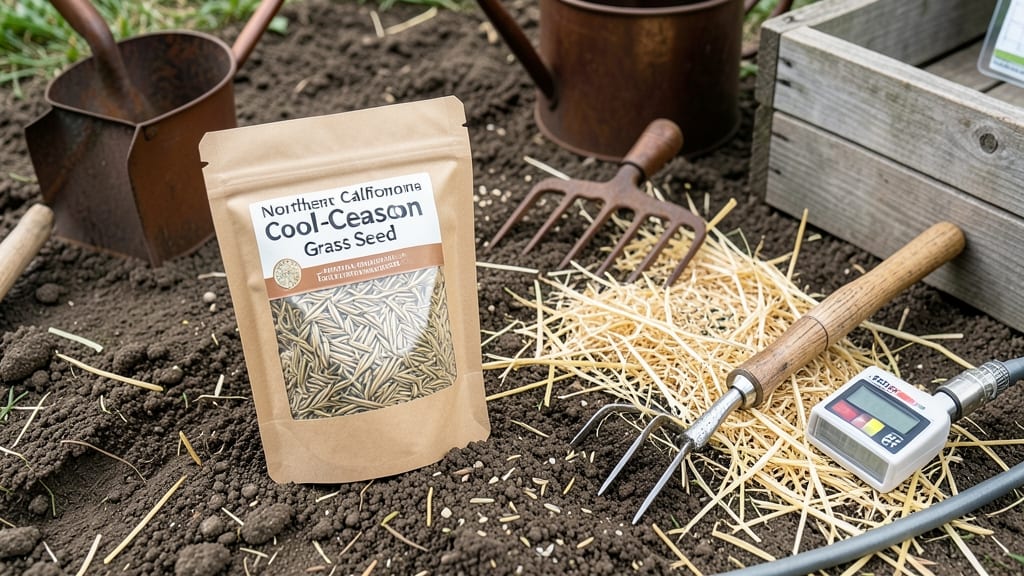
Planting grass seed in Northern California at the right time ensures strong root growth before winter 🌱 — aim for early fall when soil temps hover between 60-75°F.
Timing your grass seed planting in Northern California can mean the difference between a lush, green lawn and struggling seedlings—especially with the region's unpredictable microclimates and coastal vs. inland temperature swings.
Coastal areas like San Francisco stay milder longer, while inland zones like Sacramento face hotter summers and earlier frost. Missing the window means weak roots or wasted seed, so knowing your exact zone and microclimate is the key.
Below, I break down the best months by variety, soil prep tips, and how to adjust for your local climate—so you can finally get that thick, healthy lawn you’ve been dreaming of.
Optimal planting windows for Northern California zones 7b-9b by soil temperature
Northern California’s diverse microclimates make soil temperature the deciding factor for successful grass seed germination. Cool-season grasses like Kentucky Bluegrass, Tall Fescue, and Perennial Ryegrass thrive when soil temps stay between 50-65°F. Planting outside this range risks weak seedlings or seed dormancy.
For Zone 7b (cooler coastal areas), aim for late August to early October when summer heat subsides. In Zone 9b (hotter inland areas), shift to September to November to avoid early frost. Each zone’s unique frost patterns demand precise timing to maximize root establishment before winter.
Here’s how I adjust planting windows based on soil temperature thresholds and zone-specific frost dates:
Spring planting (March-April) works for warm-season grasses like Bermuda or Zoysia, but cool-season types struggle in Zone 9b’s heat. Test soil temps with a soil thermometer—if it’s above 70°F, wait until evening to sow seeds to reduce evaporation.
For Zone 7b-8a, early fall is critical because seedlings need 6-8 weeks to establish roots before winter. In Zone 9b, extend planting into November to leverage milder temperatures and avoid summer drought stress.
Pro tip: Use a mulch layer (straw or compost) after sowing to retain moisture and regulate soil temps. This is especially helpful in Zone 8b-9b, where daytime heat can spike soil temps above 75°F, slowing germination.
Adjust for rainfall patterns: Coastal areas get consistent moisture, while inland zones may need supplemental irrigation. Always water deeply in the morning to prevent fungal diseases like brown patch, common in Zone 9b’s humidity.
If you miss the fall window, don’t panic—late winter (February) offers a secondary chance for cool-season grasses in Zone 7b-8a. Just monitor soil temps closely and protect seedlings with row covers if frost threatens.
Remember: The first 30 days after planting are the most critical. Prioritize consistent moisture and minimal foot traffic to give roots time to anchor before winter dormancy sets in.
How to adjust planting timing for coastal vs. inland Northern California climates
Northern California’s coastal and inland regions behave like two completely different gardens. Coastal areas like San Francisco and Marin enjoy milder winters and cooler summers, while inland spots like Sacramento and Stockton experience hotter summers and earlier frosts.
These differences can shift your ideal planting window by 4-6 weeks, so knowing your microclimate is critical for grass seed success.
Coastal zones often have delayed frost dates and more consistent rainfall, allowing for later fall plantings. In contrast, inland areas demand earlier starts to avoid summer heat stress. Misjudging these conditions can lead to weak germination, dormant growth, or even seed failure—costing you time and money.
⚠️ Critical Mistake Alert: Planting Too Early in Hot Zones
Inland areas like the Central Valley can hit 90°F+ soil temps by late summer, which stresses grass seedlings. Coastal areas risk fungal diseases from prolonged dampness if planted too early. Always check soil temperature (use a soil thermometer) before planting—aim for 60-75°F for cool-season grasses.
Pro Tip: Coastal gardeners can push planting to late October, while inland zones should finish by mid-September to avoid summer heat.
For coastal climates, focus on early fall (September-October) when daytime highs stay mild and nights cool down. This timing lets seedlings establish roots before winter rains arrive. Spring planting (March-April) is also viable if you’re in a foggy zone like Marin, where summers stay cool.
Inland regions should prioritize late summer (August-September) to beat the heat. Sacramento’s Zone 9b can experience 100°F+ soil temps by mid-summer, making early August the absolute latest you should plant. Warm-season grasses like Bermuda can handle later starts, but cool-season varieties need that 60-75°F window.
Rainfall patterns also play a role. Coastal areas get consistent moisture, reducing irrigation needs, while inland zones may require supplemental watering during establishment. Always water deeply twice weekly until germination (about 14-21 days) to prevent drought stress.
Finally, adjust your grass seed variety based on location. Coastal areas thrive with fine fescue or Kentucky bluegrass, while inland zones often need tall fescue or drought-resistant Bermuda. Matching your seed to your microclimate ensures better survival rates and longer-lasting lawns. 🌱