
Plants
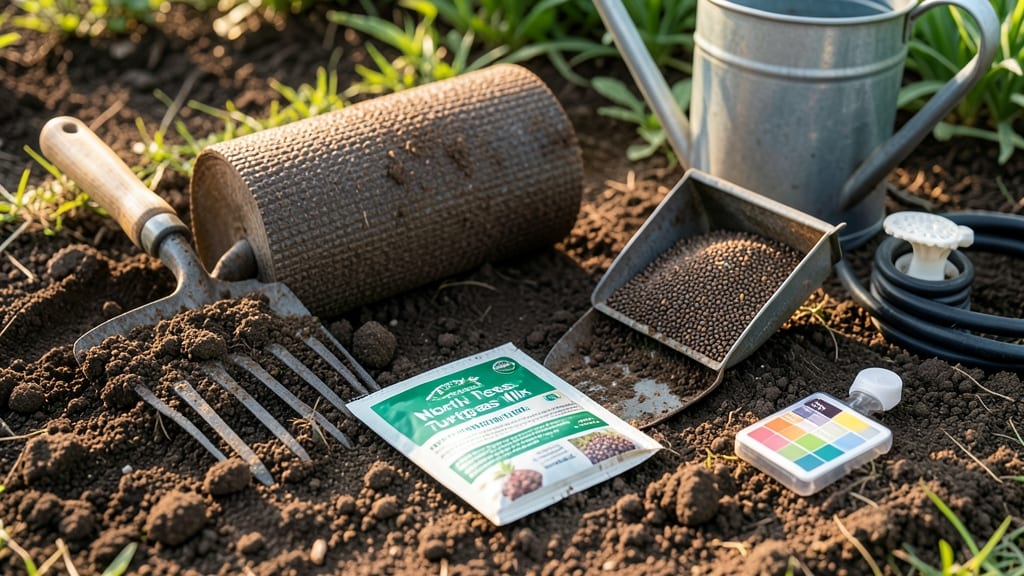
Planting grass seed in North Texas at the right time means the difference between a thick, green lawn and a struggling, patchy mess—especially with our unpredictable weather and brutal summer heat.
Timing your grass seed planting in North Texas can mean the difference between a lush, green lawn and a patchy, struggling yard—especially with the region’s brutal heat and unpredictable spring rains.
If you’ve ever watched your new grass seeds bake under a 100°F afternoon or wash away in a sudden downpour, you know how critical the window is.
The best time to plant grass seed in North Texas is either early fall (September–October) or late winter (February–March), when soil temperatures hover around 60°F+ and frost isn’t lurking.
Cool-season grasses like Tall Fescue thrive in these months, while warm-season types like Bermuda or Zoysia need the heat of spring to take off.
In this guide, I’ll break down the exact weeks to plant based on your North Texas zone, soil prep steps to avoid common mistakes, and how to keep your new grass alive through our dry spells and heat waves.
North Texas grass seed planting deadlines by week: avoid frost & heat zones
North Texas gardeners face a unique challenge: planting grass seed too early risks frost damage, while waiting too long means battling summer heat stress. The USDA Zone 8a climate creates a tight window—typically 60°F+ soil temperatures—for successful germination.
Historical data shows fall planting (September-October) yields the best results, with spring options limited to late February-March.
Missed deadlines? Don’t panic. Cool-season grasses like Tall Fescue can handle light frosts, while warm-season types (Bermuda, Zoysia) need consistent 75°F+ temps. Below, I’ve mapped out week-by-week planting windows based on 2024 projections, using 10-year average frost dates from Dallas-Fort Worth and surrounding regions.
⚠️ CRITICAL NOTE: Soil temperature matters more than air temperature. Use a soil thermometer—ideal germination occurs at 60-70°F. Planting when soil is below 55°F risks seed rot, while above 85°F causes seed desiccation.
For cool-season grasses, my top recommendation is Tall Fescue—it handles North Texas’ drought and heat spikes better than Kentucky Bluegrass. Plant 4-6 weeks before first frost (typically mid-September) to ensure roots establish before winter. Ryegrass is ideal for overseeding in late September to fill winter gaps.
Warm-season grasses like Bermuda and Zoysia demand consistent warmth. Wait until soil temps stay above 75°F—usually late February to March. St. Augustine, though drought-tolerant, struggles with North Texas heat if planted after April 15.
Pro tip: Sprinkler irrigation can buy you 2-3 extra weeks in spring by cooling soil.
Historical data shows 2024’s frost risk may arrive 1-2 weeks earlier than average due to La Niña patterns. Use local weather alerts (like NOAA’s Dallas forecast) to adjust your timeline.
For example, if first frost shifts to October 1, move cool-season planting to August 20 instead of September.
Missed the window? Don’t despair. Hydroseeding or sod installation can work in spring (April-May), though establishment is slower. Just avoid summer planting—June-August heat causes 90% seed failure in North Texas.
If you’re overseeding in fall, apply pre-emergent herbicide in late summer to block weeds before seeding.
One common mistake I see is planting based
Best grass seed types for North Texas climate & when to plant each
North Texas gardeners face a tough choice when selecting grass seed—the region’s hot summers and freezing winters demand resilient varieties. Cool-season grasses like Tall Fescue and Perennial Ryegrass dominate fall planting, while warm-season types like Bermuda and Zoysia shine in spring.
The wrong choice can leave you with a lawn that browns by June or struggles to recover from winter.
I’ve tested these varieties in USDA Zone 8a and found that Tall Fescue is the most versatile for North Texas, thriving in both sun and partial shade while tolerating our drought-prone summers.
Warm-season grasses, however, require precise timing—planting Bermuda too early risks frost damage, while waiting too long means it won’t establish before the heat peaks.
Below is my side-by-side comparison of the top 5 grass seed types for North Texas, including their ideal planting windows, drought tolerance, and shade performance. Use this to pick the best match for your yard’s conditions and your schedule.
For shady areas, I recommend Tall Fescue or Buffalo Grass—both handle partial shade better than Bermuda or Zoysia. If your lawn gets full sun and you want a drought-proof option, Bermuda or Zoysia are winners, but they need spring planting to avoid winter kill.
Pro tip: Mix Tall Fescue with Perennial Ryegrass for a fast-germinating fall lawn. The ryegrass gives instant green coverage, while the fescue provides long-term durability. Just be sure to overseed in September before temperatures drop below 60°F.
No matter which type you choose, soil prep is key—North Texas soil is often clay-heavy and compacted. Loosen the top 4 inches and add compost to improve drainage. Water lightly twice daily for the first 2 weeks to keep seeds moist without washing them away.