
Plants
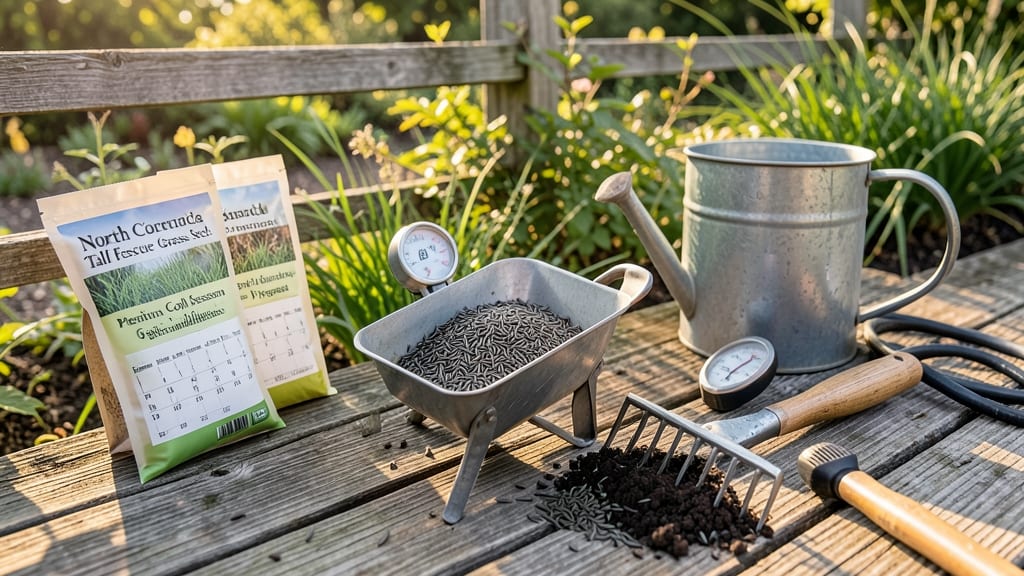
Planting grass seed in North Carolina too late can leave you with patchy, weed-choked lawns—or worse, a total failure—but knowing the exact cutoff dates saves you from costly mistakes.
North Carolina’s warm climate can trick even experienced gardeners into pushing grass seed planting too late—but timing is everything for a lush, weed-free lawn. Miss the window, and you risk summer drought stress or winter die-off, especially in zones 6a-8a where frost-free seasons stretch long.
The absolute last date to plant cool-season turfgrass like tall fescue is mid-September, while warm-season types like Bermuda can go until early August. After that, soil temperatures rise, germination slows, and weeds take over before your grass gets a foothold.
Below, I break down the zone-by-zone deadlines, red flags for late planting, and emergency fixes to salvage a borderline season—so you can finally get that thick, green lawn without the guesswork.
North Carolina’s late-season grass seed planting deadlines by hardiness zone
Timing your grass seed planting is critical in North Carolina, where soil temperatures and microclimates vary dramatically across USDA zones 6a-8a. Plant too late, and you’ll face slow germination, weed competition, or even winter kill before roots establish.
Cool-season grasses like tall fescue and Kentucky bluegrass need cooler soil, while warm-season types like Bermuda and Zoysia thrive in heat—but both have strict deadlines.
In zone 6a (western mountains), the last safe window for cool-season grass is mid-September, while zone 8a (coastal areas) can stretch until early October. The difference? Soil stays warm longer in the Lowcountry, but hurricane season can disrupt planting after mid-August.
Below, I’ll break down the absolute deadlines by zone, including temperature thresholds and regional adjustments.
| USDA Zone | Cool-Season Grass Deadline | Warm-Season Grass Deadline | Soil Temp Threshold (°F) | Regional Notes |
|---|---|---|---|---|
| 6a (Mountains) | September 15 | August 15 | 65°F (max for germination) | Cooler nights; plant by Labor Day to avoid early frost. |
| 7a (Piedmont) | September 30 | August 20 | 70°F (ideal for warm-season) | Humidity slows germination; water daily after planting. |
| 7b (Coastal Plain) | October 10 | August 25 | 72°F (risk of fungal growth) | Salt air can stress seedlings; rinse soil if near ocean. |
| 8a (Outer Banks) | October 15 | September 5 | 75°F (min for warm-season) | Hurricane risk after August 15; use erodible seed for sandy soil. |
For cool-season grasses, the 65°F soil temperature cutoff is non-negotiable. If your thermometer reads higher, germination slows to a crawl, and crabgrass will dominate. In zone 6a, aim to finish by September 15—any later, and winter dormancy can stifle root growth before frost hits.
Use a soil thermometer to monitor; 70°F is the sweet spot for most varieties.
Warm-season grasses like Bermuda and Zoysia are more forgiving but still need to establish before summer heat sets in. In zone 8a, you can push until early September, but September 5 is the safer bet—after that, drought stress becomes a major risk.
If you’re in the Piedmont, watch for humidity spikes, which can cause fungal diseases like brown patch.
Microclimates matter too. Mountain zones (6a) have cooler nights, while coastal areas (8a) stay warm longer—but salt spray can damage seedlings. If you’re near the Outer Banks, rinse soil with fresh water after planting to reduce salinity.
For sandy soils (common in the Coastal Plain), use erodible seed blends designed to hold soil and prevent washout during storms.
Pro tip: If you’re borderline late, try overseeding with a fast-germinating variety like ‘Titan’ tall fescue, which sprouts in 5-7 days at optimal temps.
Pair it with a starter fertilizer (high in phosphorus) to jumpstart root growth. Just don’t wait until October 15—by then, weeds have already won.
One common mistake? Assuming “late August” is safe for cool-season grass. In reality, soil temps can still be 80°F+ in zone 7b, which triggers dormancy in fescue seeds. Always check the NC State Extension’s weekly soil reports or use a digital thermometer buried 4 inches deep for accuracy.
For warm-season grasses, the August 15-25 window is critical. After that, daytime highs often exceed 90°F, causing seed desiccation before sprouting. If you’re in zone 8a and planting Bermuda, consider a shade cloth to protect seedlings from intense afternoon sun until they’re 2 inches tall.
Finally, don’t forget rainfall
5 Critical signs your late grass seed planting will fail (and how to fix it)
Even if you’ve prepped your soil and chosen the right grass seed variety, late planting in North Carolina can still backfire.
The absolute last date for cool-season grasses like tall fescue is mid-September, but many gardeners push it too far—often because they don’t recognize these 5 warning signs of failure. Ignoring them can leave you with a lawn full of weeds instead of grass.
First, check your soil temperature. If it’s consistently above 80°F, your grass seed will struggle to germinate, even with daily watering. Warm-season grasses like Bermuda have a slightly longer window, but by early August, the heat becomes a major hurdle.
Use a soil thermometer to confirm—anything above 75°F slows germination by 50% or more.
⚠️ callout-warning ⚠️
Zone 6a: After September 15 (cool-season) or July 31 (warm-season).
Zone 7a: After October 1 (cool-season) or August 15 (warm-season).
Zone 8a: After October 15 (cool-season) or September 1 (warm-season).
Red Flag: If your last frost date is 6 weeks away and your grass hasn’t sprouted, it’s too late. Weeds will dominate before your grass establishes.
Next, watch for weed competition. If crabgrass or clover starts popping up within 10-14 days of planting, your grass seed isn’t getting the sunlight or nutrients it needs. Weeds germinate faster in warm soil, and once they take hold, they’ll choke out your new grass.
Pre-emergent herbicides can help, but they must be applied before weeds sprout—not after.
Another red flag is uneven moisture. Late-season planting often coincides with erratic rainfall patterns. If you’re watering daily but still see dry patches, your grass seed won’t germinate consistently.
Use a rain gauge to track moisture—aim for 1 inch per week, split into two watering sessions (morning and evening) to prevent runoff. If your soil stays too dry, germination can take 3-4 weeks longer than expected.
Slow germination is the most obvious sign you’ve planted too late. While cool-season grasses typically sprout in 14-21 days, if you’re past October 1 in most of NC, expect delays. Check for green shoots every 3-4 days.
If nothing appears after 28 days, your seed may have failed due to heat stress or poor soil contact. In this case, consider overseeding with a winter-hardy variety like ryegrass for temporary cover.
Finally, listen to your lawn’s color and texture. Healthy grass should be a vibrant green with a dense, even carpet. If your new patches look yellowish or sparse, even after watering, it’s a sign the seed didn’t establish properly.
At this point, focus on soil repair: aerate, add compost, and re-seed with a shade-tolerant variety if sunlight is limited. For borderline cases, a light layer of straw mulch (¼ inch) can protect seeds from drying out while they germinate.