
Plants
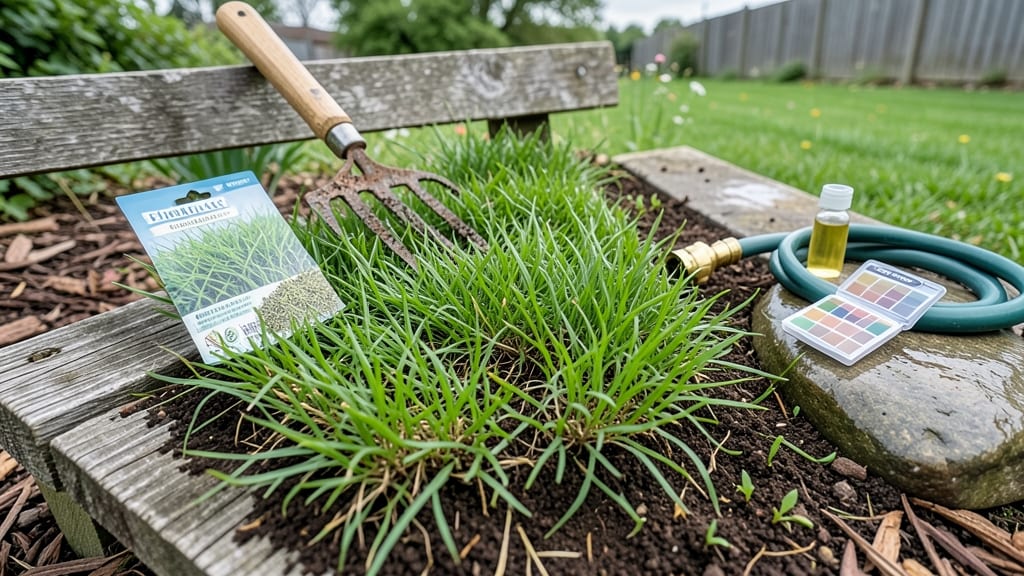
Planting Bermuda grass seed in North Texas at the right time means the difference between a thick, drought-proof lawn and a patchy, struggling mess 🌱 — aim for late April through early June or September to early October when soil temperatures and rainfall align.
Struggling with sparse lawns in North Texas’ brutal heat? Bermuda grass is your secret weapon—but planting it at the wrong time means thin, weak growth that fades fast.
The key is waiting until the soil warms to at least 65°F, which usually happens right around Mother’s Day or early fall.
North Texas’ clay-heavy soil and unpredictable spring rains make timing everything. Too early, and your seed washes away or rots in cold soil. Too late, and the summer heat shocks young seedlings before they take root.
Below, I’ll walk you through the exact planting windows for your region (Dallas, Fort Worth, Waco), how to prep your soil for maximum germination, and the 5 critical mistakes that kill Bermuda grass seedlings before they even start.
Best planting months for bermuda grass seed in North Texas (with exact dates)
North Texas’ hot summers and unpredictable spring rains make timing critical for bermuda grass seed success. Plant too early, and seeds rot from cool, wet soil. Plant too late, and seedlings struggle under scorching heat.
The 6-week window between late April and early June offers the perfect balance of warm soil and moderate rainfall for germination.
For Dallas-Fort Worth (USDA Zone 8a), aim for April 20–June 5. In Waco (Zone 8b), shift your window slightly later—April 25–June 10—to avoid early-season drought stress. These dates align with soil temperatures hitting 65°F+, the minimum for bermuda grass seed to sprout efficiently.
Miss this window? Your second chance arrives in late summer, specifically September 1–October 15. This fall planting strategy lets seedlings establish roots before winter dormancy, giving you a head start for next spring’s growth surge.
| Region | Ideal Planting Window | Soil Temp Requirement | Rainfall Notes |
|---|---|---|---|
| Dallas-Fort Worth | April 20–June 5 | 65°F+ | Moderate; avoid flooding |
| Waco | April 25–June 10 | 65°F+ | Drier; water deeply |
| East Texas (e.g., Tyler) | April 15–May 30 | 60°F+ | Higher humidity; watch for fungus |
| Fall Backup Window | September 1–October 15 | 70°F+ | Steady rains; reduce watering in Oct |
Hard deadlines matter here. In Dallas, planting after June 5 risks seedlings frying in 100°F+ soil. Likewise, fall planting must finish by October 15—any later, and cold snaps stunt root growth. Use a soil thermometer ($10 at garden centers) to confirm temps before seeding.
Adjust for microclimates too. Shady yards or north-facing slopes may need a 2-week delay to warm up. Test your soil’s readiness by pressing your hand into the ground—if it feels warm to the touch (like a hot cup of tea), it’s time to plant.
Pro tip: Overseed in late May if your lawn looks patchy. Bermuda grass spreads aggressively once established, but a light top-dressing of seed (¼ lb per 100 sqft) fills gaps before summer heat sets in.
After planting, water lightly daily (¼ inch) to keep soil moist but not soggy. Once sprouts appear (7–14 days), switch to deep watering 2–3 times weekly to encourage deep roots. Skip fertilizing until 4 weeks post-planting—young roots need time to establish before nitrogen boosts.
Bermuda grass thrives in North Texas because it’s drought-tolerant and heat-loving. But that resilience starts with perfect timing. Plant in these windows, and you’ll outpace weeds while locking in a thick, green lawn by July.
🌱
How to prepare your soil for bermuda grass seed in Texas’ clay-heavy dirt
North Texas’ clay-heavy soil is notorious for compacting and baking hard under summer sun, making it a nightmare for bermuda grass seed germination. Without proper prep, seeds struggle to break through the crust, leading to patchy, weak growth.
The key? Loosening the soil, balancing pH, and creating the perfect moisture environment before planting.
First, test your soil’s pH—bermuda grass thrives in a range of 6.0–7.5. Use a soil test kit ($15 at garden centers) or send a sample to your local agricultural extension office.
If your pH is below 6.0, amend with pelletized lime (apply 2–3 months before planting). For pH above 7.5, mix in sulfur or peat moss to lower it gradually.
Next, tackle the clay compaction that suffocates roots. Rent a core aerator ($50/day) and run it over your lawn in two perpendicular passes. This pulls out 3–4 inch deep plugs, breaking up the dense clay and creating air pockets for seedling roots.
For small yards, a manual aerator ($30) works just as well—just go slow to avoid damaging the soil structure.
Now, it’s time to add organic matter. Spread a ¼-inch layer of compost or well-rotted manure over the lawn, then lightly rake it in. This improves drainage, retains moisture, and feeds beneficial microbes.
For clay-heavy soil, aim for a 5–10% organic matter ratio—think of it as the "glue" that binds soil particles without smothering them.
If you’re itching to plant before late April, resist the urge! Seeds sown in cool soil (below 65°F) rot from fungal diseases like Pythium. Even if rains soften the clay, seed washout is a major risk. Wait until soil temps hit 65°F+—use a soil thermometer to confirm. Pro tip: Press your hand into the ground; if it feels warm like a hot cup of tea, it’s time to plant. 🌡️
Before seeding, set up a pre-planting irrigation schedule to prevent seed washout during Texas’ unpredictable spring rains. Water deeply 2–3 days before planting to settle the soil, then keep it lightly moist (¼ inch daily) until germination.
After seeds sprout (7–14 days), switch to deep watering 2–3 times weekly to encourage root growth. Use a sprinkler with adjustable nozzles to avoid blasting seeds away.
Finally, level the soil surface with a rake to eliminate low spots where water pools. Bermuda grass seeds need good contact with soil to germinate—if they’re buried too deep (¼ inch max), they’ll struggle to break through.
For extra insurance, lightly mix starter fertilizer (high in phosphorus) into the top ½ inch of soil to jumpstart root development.
With these steps, your clay-heavy Texas soil will transform into a seed-friendly foundation. The result? Faster germination, stronger seedlings, and a lawn that outpaces weeds before summer heat sets in. 🌱