
Plants
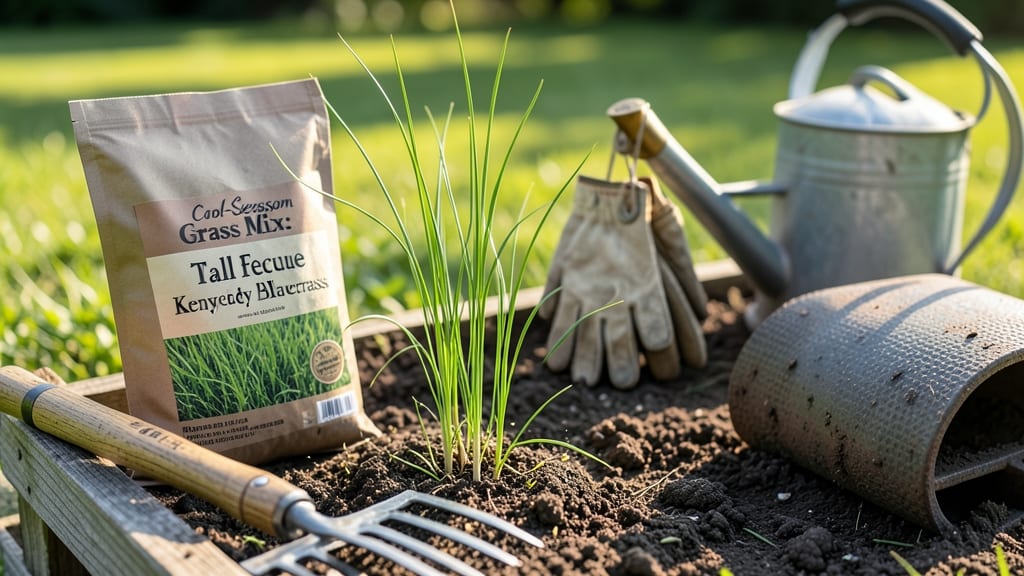
Planting grass seed in Missouri spring depends on soil temperature and frost-free timing — aim for mid-March to early May when soil reaches 50–65°F and the last frost has passed.
Missouri’s unpredictable spring weather can turn your grass-seeding plans into a gamble unless you know the exact soil temperature and frost-free window for success. Plant too early, and frost will kill your seedlings; too late, and summer heat will stress them before they establish.
This guide breaks down the ideal planting window for Missouri’s 5b-6b zones, how to prep your soil, and which grass varieties thrive in your region. Whether you’re seeding a new lawn or repairing bare spots, timing is everything.
You’ll learn how to check soil warmth, pick the right seed type, and avoid common mistakes that waste time and money. Let’s get your lawn off to the best start.
Missouri spring grass-seeding timeline: soil temp & frost-free deadlines
Timing your Missouri grass seed planting correctly means waiting for soil temperatures between 50–65°F and avoiding late frosts. These conditions create the perfect window for seed germination and root establishment.
In Missouri’s USDA Zones 5b-6b, this typically falls between mid-March and early May, but exact dates vary by region.
Your local last frost date is the critical benchmark—planting too early risks frost damage, while waiting too long invites summer heat stress. Rural areas often have earlier frost-free dates than cities like St. Louis or Kansas City due to urban heat islands.
Always verify with NOAA forecasts and USDA Plant Hardiness Zone maps for precision.
Here’s a quick reference for Missouri’s three main regions, showing when to plant based on soil temperature and frost-free deadlines:
To check your local soil temperature, use a soil thermometer (insert 4 inches deep) or rely on NOAA’s 7-day forecasts for overnight lows above 32°F. Rural areas can be 5–10 days earlier than cities, so adjust accordingly.
For example, if your rural zone hits 50°F soil temp by March 10, you’re ready to seed—just confirm no frost is forecasted.
Missouri’s microclimates play a huge role. South-facing slopes warm faster, while low-lying areas stay cooler longer. If your yard has shaded spots, opt for Fine Fescue, which germinates at slightly lower temps (45°F) than Tall Fescue or Kentucky Bluegrass.
Always test a small patch first to gauge your soil’s readiness.
One common mistake? Planting based on air temperature alone. Soil stays cold even when daytime highs reach 60°F. Use a soil thermometer for accuracy—seedlings won’t sprout until the ground warms to 50°F.
If your soil is still chilly, wait a week or two; rushing leads to poor germination and thin lawns.
For St. Louis gardeners, aim for late March to early April when soil hits 55°F. In Kansas City, you can start as early as mid-March if the ground thaws consistently.
Rural areas like Southeast Missouri may see March 1–15 planting windows, but always cross-check with local extension offices for updates.
Pro tip: Seed 4–6 weeks before your last frost date to give seedlings time to establish roots before summer heat arrives. For Missouri, this means planting by early May at the latest.
After that, the dog days of summer can stress young grass, leading to brown patches or weed takeover. Use a lawn calendar to track progress—most seeds need 14–21 days to sprout under ideal conditions.
Finally, don’t forget post-planting care. Keep soil moist but not soggy (1 inch of water weekly) and avoid walking on new seed until it’s 1–2 inches tall. With the right timing, your Missouri lawn will be lush and established by summer—no more bare spots or guesswork. 🌱
Step-by-step pre-planting checklist: soil prep, seed selection & weather watch
Before you even open that bag of grass seed, your soil prep and weather watch are the foundation for success. Skipping these steps is like planting seeds on concrete—nothing grows.
I’ve learned the hard way that soil pH, seed selection, and rainfall timing make or break your Missouri lawn. Let’s tackle this methodically to avoid the common pitfalls I’ve seen ruin so many spring projects.
First, your soil pH must be in the 6.0–7.0 range for optimal grass growth. Missouri’s native soils often lean acidic (5.5 or lower), which stunts root development.
Grab a soil test kit (or send a sample to your local extension office)—most garden centers sell them for under $20. If your pH is off, amend with lime (to raise pH) or sulfur (to lower pH) at least 4–6 weeks before planting.
Pro tip: Work amendments into the top 4–6 inches of soil for even distribution.
Next, choose the right grass seed type for your Missouri climate. Cool-season grasses like Tall Fescue and Kentucky Bluegrass dominate here—they thrive in our 5b-6b zones and handle Missouri’s hot summers better than warm-season options.
For shady areas, Fine Fescue is your best bet, while sunny lawns do well with Tall Fescue blends. Avoid cheap seed mixes with weed seeds—look for certified labels like NTEP or USGA for purity.
- 1 Test soil pH (aim for 6.0–7.0). Use a kit or send a sample to your local extension office for accuracy.
- 2 Amend soil if needed: Add lime for acidic soil or compost for poor drainage. Work amendments into the top 4–6 inches.
- 3 Choose the right seed: Cool-season grasses like Tall Fescue or Kentucky Bluegrass work best for Missouri’s climate.
- 4 Monitor 7-day forecasts for 1+ inch of rain post-planting. Use a rain gauge or NOAA alerts to track moisture.
- 5 Avoid herbicide-treated areas. Wait 6–12 months after herbicide use before seeding to prevent seed kill.
- 6 Loosen compacted soil with a rake or aerator. Compacted soil blocks root growth and water absorption.
Don’t overlook the weather watch—this is where many gardeners trip up. Check the 7-day forecast for 1+ inch of rain within 24–48 hours after planting. If Mother Nature isn’t cooperating, set up a lightweight sprinkler system to keep soil consistently moist (not soggy).
I once planted a lawn in late April only to have it dry out under 90°F heat—the seeds never germinated. Use a rain gauge or NOAA alerts to stay ahead of dry spells.
One critical mistake I see all the time? Planting grass seed after using pre-emergent herbicides or post-emergent sprays. These chemicals can linger in the soil for 6–12 months and kill your new seedlings.
Always check the label’s "replant window" before seeding. If you’re unsure, do a simple soil test for herbicide residues—many extension offices offer this service.
Finally, tackle soil compaction before planting. Walk across your yard—if the grass springs back slowly, your soil is compacted. Use a garden rake or core aerator to break up the top 2–3 inches of soil.
Compacted soil blocks water absorption and root growth, leading to patchy lawns. For large areas, rent a core aerator from your local hardware store—it’s worth the investment for a thick, healthy lawn. 🌱