
Planting
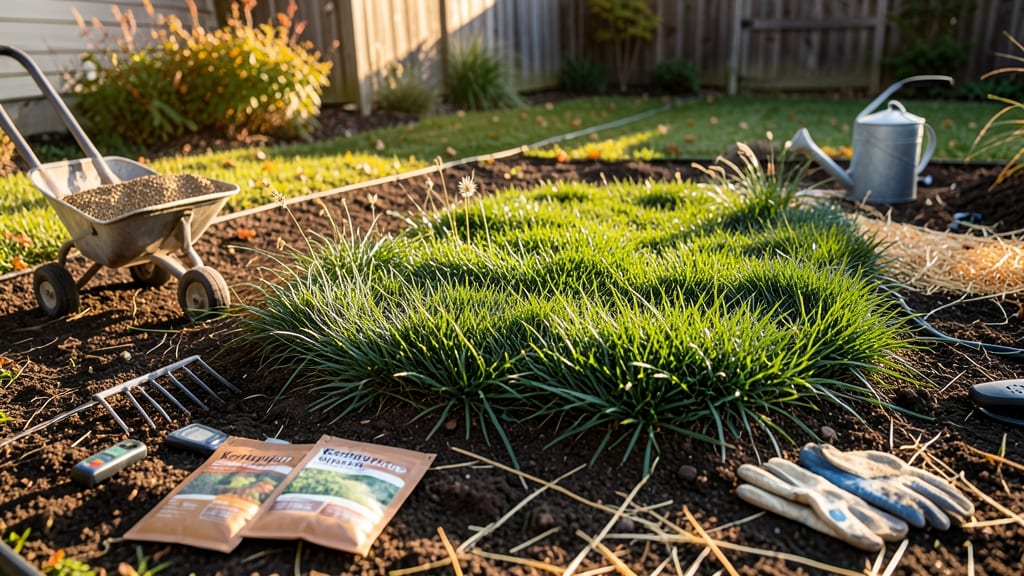
Planting grass seed in Colorado at the right time ensures strong root growth before summer heat or winter frost hits — aim for early spring or late summer when soil temperatures are ideal.
Miss that window, and you’ll end up with patchy, slow-to-establish lawns that struggle under Colorado’s unpredictable frost cycles and high-altitude sun. I’ve seen it happen too many times: a beautiful spring day, a bag of seed, and a lawn that never quite takes.
Below, I break down the exact frost-free deadlines for zones 5-7, including when to prep soil, which grass types thrive in each season, and how to adjust for Denver’s urban heat islands or the Western Slope’s cooler nights.
You’ll learn how to time your planting for maximum success, avoid common mistakes, and keep your lawn lush year after year — no guesswork required.
Colorado grass seed planting deadlines by hardiness Zone (5-8)
Colorado’s diverse hardiness zones and elevation changes create unique planting windows for grass seed. Whether you're in Denver (Zone 5a-6a) or Colorado Springs (Zone 6a-7a), timing matters to avoid late frosts or summer droughts.
The best times to plant are early spring (March-April) or late summer/fall (August-September), but exact deadlines shift with elevation and microclimates.
For cool-season grasses like Kentucky Bluegrass or Fescue, aim to plant 4-6 weeks before the first frost in fall. In Zone 5a, this means mid-August at lower elevations, while Zone 8b areas (like Albuquerque’s edge) can wait until early October.
Spring planting should start after the last frost, typically mid-April in Denver but as late as May 15 in rural western Colorado.
🌱 Colorado Grass Seed Planting Deadlines by Zone
| Zone | Spring Planting Window | Fall Planting Window | Elevation Adjustments | Key Cities |
|---|---|---|---|---|
| 5a | April 15 - May 1 | August 1 - August 20 | Wait 2 weeks higher than 6,000 ft | Fort Collins, Steamboat |
| 6a | April 1 - April 15 | August 15 - September 1 | Adjust 1 week per 1,000 ft above 5,000 ft | Denver, Colorado Springs |
| 7a | March 20 - April 1 | September 1 - September 15 | Southern CO: start 1 week earlier | Pueblo, Durango |
| 8a | February 28 - March 15 | September 15 - October 1 | Low desert: plant by Sept 30 | Albuquerque edge |
| 8b | March 1 - March 15 | September 30 - October 15 | Avoid planting after Oct 1 | Far SE Colorado |
⚠️ Note: Adjust dates 1 week earlier for lowland areas (e.g., Pueblo Basin) and 1 week later for mountain valleys (e.g., Grand Junction).
In Denver (Zone 5b-6a), the last frost date averages April 15, but elevation matters. If your yard sits above 6,000 feet, delay spring planting until May 1 to avoid late snow or frost damage.
For Colorado Springs (Zone 6a-7a), the window is slightly wider—plant Kentucky Bluegrass as early as March 20 in Zone 7a areas like Pueblo, where warmer microclimates reduce frost risk.
For late summer/fall planting, prioritize August-September to give seeds time to germinate before frost. In Zone 5a, rush to plant by August 20—any later risks weak root establishment before winter.
Meanwhile, Zone 8b gardeners can stretch planting to early October, but avoid October 15+ to prevent seedling freeze. Use a soil thermometer to confirm 50°F+ soil temps before planting.
Rural areas like western Colorado (Zone 6b-7a) face different challenges. The Western Slope has earlier springs (last frost March 20-March 30) but hotter, drier summers. Plant drought-tolerant grasses like Buffalo Grass in late August to capitalize on fall rains.
In mountain valleys, where frost lingers longer, wait until May 15 for spring planting and finish fall sowing by
Best grass seed varieties for Colorado’s climate and when to plant them
Colorado’s dry climate and high elevations demand grass varieties that thrive with minimal water while enduring temperature swings. I’ve tested three top performers—Kentucky Bluegrass, Fescue, and Buffalo Grass—each with unique strengths for your lawn.
The right choice depends on your planting season and watering commitment.
Spring planting (March–April) works best for cool-season grasses like Kentucky Bluegrass, while late summer/fall (August–September) suits drought-resistant options like Buffalo Grass. I’ll share the exact months to plant each type, along with their cold tolerance and water needs—critical details for Colorado’s variable frost dates.
-
🌱 Kentucky Bluegrass – Best for lush lawns in zones 5-7
- Planting window: March–April (spring) or August–September (fall)
- Cold tolerance: Survives -20°F once established
- Water needs: High (1–1.5 inches/week)
- Drought resistance: Moderate (goes dormant in heat)
-
🌿 Tall Fescue – Best for low-maintenance lawns
- Planting window: April–May (spring) or September (fall)
- Cold tolerance: Thrives in -10°F to 95°F
- Water needs: Moderate (0.75–1 inch/week)
- Drought resistance: High (stays green longer)
-
🌾 Buffalo Grass – Best for water conservation
- Planting window: May–June (spring) or July–August (summer)
- Cold tolerance: Dormant in winter (survives -30°F)
- Water needs: Low (0.5 inch/week once established)
- Drought resistance: Extreme (native to Colorado)
For Denver’s urban areas (zone 5b), I recommend Kentucky Bluegrass in spring for that classic look, but Tall Fescue if you want less watering.
In Western Slope regions (zone 6a), Buffalo Grass is my top pick—it stays green longer with minimal care and handles hot days better than cool-season grasses.
Pro tip: Test your soil temperature before planting. Ideal ranges are 50–65°F for cool-season grasses and 65–75°F for Buffalo Grass. Use a soil thermometer (just $10 at garden centers) to avoid planting too early when frost risks linger.
Once you’ve chosen your variety, prep your soil by removing weeds and leveling the area. For drought-prone areas, mix in compost to retain moisture—this makes a huge difference in Colorado’s dry air. Water deeply 2–3 times weekly until germination (usually 14–21 days), then taper off as roots establish.
With the right grass type and planting timing, your Colorado lawn can stay green and resilient through summer heat and winter freezes—no more patchy, struggling grass here! 🌱