
Plants
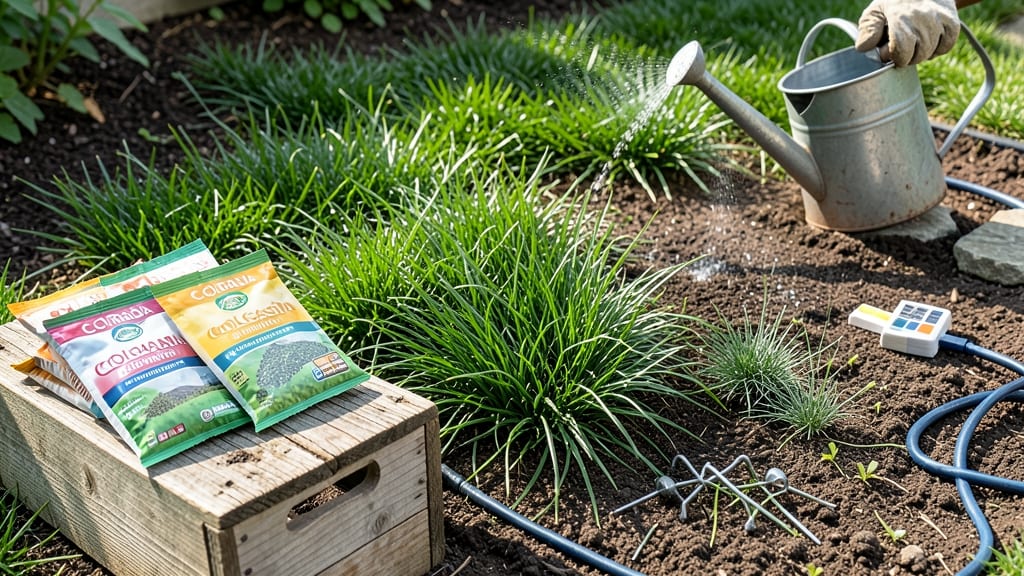
You can plant grass seed in Colorado when soil temperatures hit 50–65°F and frost-free days stretch to 120+, typically between late August and early October for fall or early April to mid-May for spring.
Colorado’s unpredictable climate—from high-altitude freezes to sudden heat waves—can turn grass seeding into a high-stakes guessing game. Plant too early, and frost will kill your seedlings; too late, and summer droughts leave your lawn struggling.
Timing isn’t just about the calendar—it’s about elevation. Denver’s 5b zone plays by different rules than Colorado Springs’ 5a, and high-altitude areas like Steamboat Springs demand even more precision. Get it wrong, and you’re staring at patchy lawns for years.
Here’s the exact window for planting grass seed in Colorado, broken down by elevation so you can time it perfectly—plus soil prep hacks to ensure 90%+ germination, even in dry years.
Colorado grass seed planting deadlines by elevation (soil temp & frost-free rules)
Timing your grass seed planting in Colorado isn’t about guessing—it’s about understanding your elevation zone and soil temperature. The Front Range (Denver, Boulder) has different rules than the Western Slope (Grand Junction) or high-altitude areas (Aspen, Leadville).
I’ll break down the science-backed windows so you can plant when your grass has the best chance to thrive.
Colorado’s USDA hardiness zones 4-7 create dramatic differences in frost dates and soil warming. For example, Denver (Zone 5b) can plant in early April, while Steamboat Springs (Zone 4a) waits until mid-May. The key is soil temperature—seedlings need 50-65°F soil to germinate consistently.
Here’s my elevation-based planting timeline with frost-free rules to avoid common mistakes like frost damage or summer drought stress:
Fall planting is my top recommendation for Colorado because cooler temps and consistent moisture give seedlings a head start. Aim to plant 4-6 weeks before your first frost date. For example, Denver’s first frost typically hits October 15, so I plant by September 1.
Spring planting requires patience—wait until soil temperatures consistently stay above 50°F (use a soil thermometer!). In Colorado Springs (Zone 5a), this usually means mid-April. Planting too early risks frost damage, while waiting too long invites summer drought stress.
High-altitude areas like Aspen (Zone 4a) face unique challenges. The short growing season means I prioritize fall seeding and use cold-hardy grass varieties like fine fescue. If planting in spring, I add frost blankets until seedlings are 3 inches tall.
Pro tip: Check your local CoCoRaHS weather station for real-time soil temp data. Many Colorado gardeners swear by this free resource to time their planting perfectly. Pair it with your USDA zone map for foolproof results.
Remember, watering is critical in Colorado’s dry climate. After planting, keep soil consistently moist (not soggy) for the first 30 days. Use a sprinkler with gentle mist to avoid washing away seed.
By following these elevation-based deadlines, you’ll avoid the two biggest grass-seeding mistakes in Colorado: planting too early and risking frost or planting too late and battling drought. Your lawn will thank you with thick, resilient growth from day one. 🌱
Best grass seed types for Colorado’s climate (cool-season vs. warm-season matchups)
Colorado’s diverse elevations—from Denver’s 5,280 feet to Steamboat Springs’ 6,700+ feet—demand grass types that thrive in cool-season dominance but can handle warm-season heat waves. The wrong choice means patchy lawns or water-guzzling failures. Let’s match your yard to the perfect grass type based on your microclimate.
For Front Range urban yards (Denver, Boulder, Fort Collins), fine fescue and Kentucky bluegrass are the gold standards—they handle shade from trees and moderate foot traffic while staying green through Colorado’s chilly springs.
But swap to tall fescue if your soil drains poorly; it’s the drought-tolerant workhorse of the region.
On the Western Slope (Grand Junction, Durango), where summers hit 90°F+ and winters drop below freezing, buffalo grass and blue grama become your best friends. These native grasses sip water like camels, survive low humidity, and still look lush in full sun.
Skip Kentucky bluegrass here—it wilts faster than a snowman in July.
🌱 Cool-Season vs. Warm-Season Grass Matchups for Colorado
Cool-Season Winners
- Kentucky Bluegrass: ✅ Best for Front Range lawns, ❌ Avoid Western Slope drought
- Fine Fescue: ✅ Best for shade, ❌ Avoid heavy foot traffic
- Tall Fescue: ✅ Best for drought, ❌ Avoid thin soils
Warm-Season Contenders
- Buffalo Grass: ✅ Best for Western Slope, ❌ Avoid wet climates
- Blue Grama: ✅ Best for native lawns, ❌ Avoid shade
- Bermuda: ✅ Best for heat, ❌ Avoid cold winters
🌡️ Pro Tip: Mix cool-season and warm-season grasses for year-round green—just test soil pH first!
High-altitude areas (7,000+ feet) like Estes Park or Leadville need cold-hardy varieties. Opt for hard fescue or creeping red fescue—they survive sub-zero temps and thin mountain air while outcompeting weeds. Skip Bermuda here unless you love brown patches by October.
For shady Front Range yards (think Aspen trees or evergreens), shade-tolerant fescue blends with 10–20% Kentucky bluegrass are your secret weapon. These mixes stay green in 2–4 hours of sunlight and resist fungal diseases that thrive in damp shade.
Remember: Water needs vary wildly. Kentucky bluegrass drinks 1.5x more than buffalo grass—so if your water bill spikes in summer, reconsider your choice. Start with a soil test to pick the right grass for your yard’s drainage and pH.