
Plants
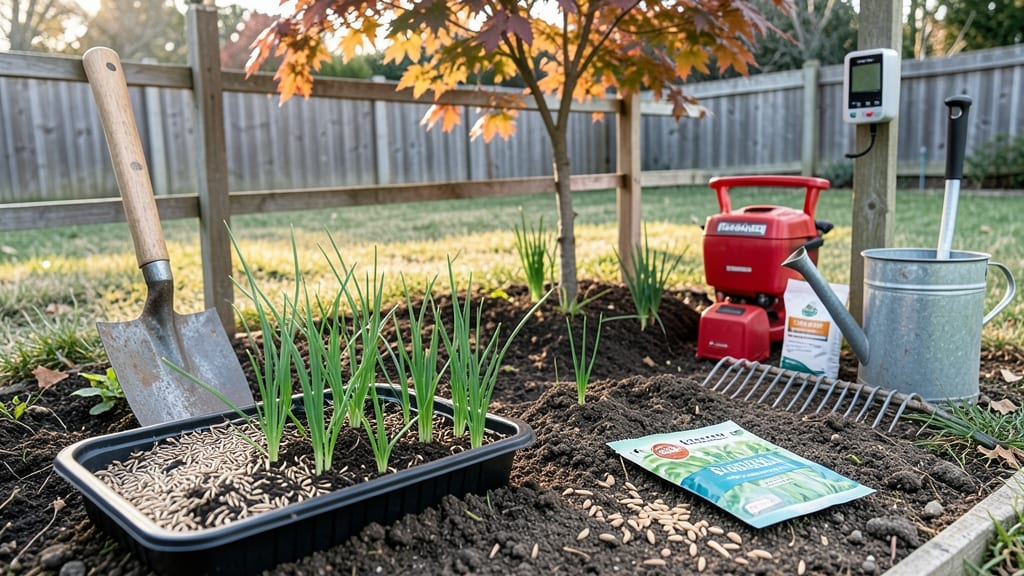
Planting grass seed in Canada at the right time ensures a thick, frost-resistant lawn—aim for 4-6 weeks before your last frost date, typically between early April and late May in most zones.
Miss that window, and you risk slow germination or seedlings that won’t survive the next cold snap. I’ve seen lawns planted too early wash away in rain or freeze solid before taking root—don’t let that be you.
Your best bet depends on where you live: Coastal BC can start as early as March, while the Prairies often wait until May. Soil temperature matters just as much as the calendar, so we’ll break down how to check it and other critical signs your lawn is ready.
From zone-specific deadlines to late-season hacks for cold climates, you’ll learn exactly when to plant—and how to give your grass the best possible start in Canada’s unpredictable growing season.
Canada’s grass planting zones: when to sow by hardiness region (map included)
Canada’s vast climate variations mean your grass seed planting window can differ by months from coast to coast. Whether you’re in zone 3 (Alberta) or zone 9 (Vancouver Island), timing is everything.
Cool-season grasses like Kentucky bluegrass and fescue thrive when sown in early spring or early fall, while warm-season varieties (like Bermuda grass) need late spring warmth. Let’s break down the exact deadlines by region.
First, locate your USDA hardiness zone using Canada’s Plant Hardiness Map. Most of Canada spans zones 3–9, with frost-free dates ranging from mid-May in the Maritimes to late June in the Prairies.
Your planting window opens 4–6 weeks before your last frost date—so in zone 3, that’s early May, while in zone 9, you can start as early as February. Soil temperature is your best guide: aim for 13–16°C (55–60°F) for optimal germination.
Cool-season grasses (the most common in Canada) grow best when sown in early spring (March–April) or early fall (August–September). This avoids summer drought stress and winter freeze damage. Warm-season grasses, like Zoysia or Bermuda, are rare in Canada but can be planted in late May–June in zones 7–9, where summers are hot enough for establishment.
Regional exceptions matter. In the Maritimes (zones 5–6), Atlantic breezes can delay spring planting by 2–3 weeks compared to inland areas. Meanwhile, Prairie provinces (zones 3–4) often see earlier soil warming due to dry air, allowing April planting in some years. Always check your local frost dates—they’re more reliable than general zone rules.
For fall planting, aim to sow 6–8 weeks before your first frost date. This gives seeds time to germinate and establish roots before winter dormancy. In zone 3, that’s late August; in zone 9, you can push it to October.
Fall planting reduces summer weed competition and often yields thicker grass by next spring.
If you
Signs your soil is ready: 5 critical checks before planting grass seed
Before you rush to spread grass seed, your soil needs to meet five key conditions. Planting too early or in poor conditions leads to thin patches or wasted seed—something I’ve seen too many gardeners struggle with.
The right timing ensures your grass establishes strong roots before summer heat or winter frost hits.
Start by checking the soil temperature. Grass seed germinates best when soil is between 40–65°F (4–18°C). Use a soil thermometer (or your elbow—if it feels cool but not freezing, it’s likely ready).
In Canada, this usually aligns with late April to early June, but coastal regions can start earlier.
Moisture levels are just as critical. Your soil should be damp but not soggy—like a wrung-out sponge. Waterlogged soil suffocates roots, while dry soil prevents germination. A simple test: Grab a handful of soil; if it crumbles when dry but holds shape when damp, it’s perfect.
- Soil Temperature: 40–65°F (4–18°C) for germination
- Moisture Test: Damp but not waterlogged (sponge-like)
- Weed Control: No competing weeds (till or herbicide 2 weeks prior)
- Soil pH: 6.0–7.5 (test with a kit or send to a lab)
- Prep Work: Aerate or till 2–3 inches deep for seed contact
Weeds are another common pitfall. If your lawn has dense weeds, till the area 2–3 weeks before planting to give grass a fighting chance. I’ve seen dandelions and clover choke out new grass if not controlled early. For stubborn weeds, apply a pre-emergent herbicide 10 days before seeding.
Don’t overlook soil pH. Most grasses thrive in slightly acidic to neutral soil (pH 6.0–7.5). Test your soil with a kit from a garden center—it’s a small investment to avoid poor growth.
If your pH is off, amend with lime (to raise pH) or sulfur (to lower it) 4–6 weeks before planting.
Finally, prepare the soil surface. Lightly rake or aerate to create a fine, seed-friendly texture. Grass seed needs good contact with soil to germinate—if it lands on compacted earth or thatch, it won’t sprout.
For new lawns, till the top 2–3 inches to loosen the soil and mix in compost for nutrients.
Once you’ve checked these five signs, your soil is ready for grass seed. Plant in the morning to reduce evaporation, water gently to keep soil moist, and avoid walking on the area until the grass is at least 3 inches tall.
With the right prep, you’ll see uniform germination in 7–21 days—no more patchy, weak lawns!