
Plants
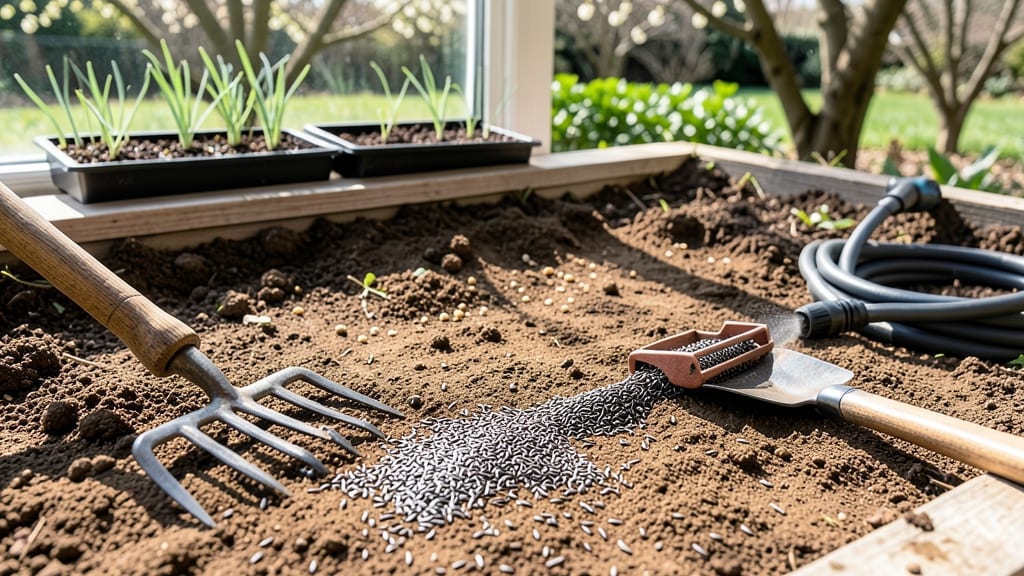
Planting grass seed in the spring when soil temperatures hit 55–65°F 🌱 is the secret to a thick, vibrant lawn—get it wrong, and you’re staring at bare spots by summer.
Most gardeners assume "spring" means March or April, but frost, soil warmth, and grass type all shift that deadline by weeks. In Zone 6a, for example, waiting until mid-April (after the last frost) ensures the ground stays warm enough for seeds to sprout without drying out.
This guide breaks down the exact timing for your region, how to test soil warmth without a fancy thermometer, and the 3 biggest mistakes that kill germination before it starts.
By the end, you’ll know not just when to plant, but how to prep the soil, pick the right grass type, and keep moisture just right for fast, even growth in 4–6 weeks.
Spring grass seed planting deadlines by US hardiness zones
Timing your grass seed planting in spring isn't just about avoiding frost—it's about catching soil temperatures between 40°F and 65°F for optimal germination. Too early, and seeds rot; too late, and summer heat stresses young sprouts.
Let's break down the perfect planting windows by USDA hardiness zones to help you avoid common mistakes like patchy growth or slow establishment.
Most grass seeds need soil temperatures between 55°F and 65°F to sprout consistently. In cooler northern zones, this means waiting until late spring, while southern zones can plant as early as February.
The key is monitoring soil warmth, not air temperature—your thermometer should read at 4-inch depth for accurate results.
In Zones 3-4, where winters are harsh, planting too early (before May) risks frost damage to tender seedlings. I've seen many gardeners in Minnesota rush planting in April only to watch their seeds rot when nighttime temps dip below freezing.
Wait until the soil stays above 55°F for at least a week before planting.
For Zones 5-6, the sweet spot is mid-April to mid-May when daytime highs reach 60°F+ and nighttime lows stay above 45°F. This window gives seeds time to germinate before summer heat arrives. Pro tip: Use a soil thermometer to confirm—air temps can be misleading!
Southern zones (7-10) have more flexibility but still need attention. In Zone 9, planting in February avoids summer heat stress, while Zone 10 gardeners can start as early as January. The key is avoiding extreme heat (above 85°F) during germination, which can cause seed desiccation.
Regional variations matter too. Coastal areas stay cooler longer than inland zones at the same latitude. For example, San Francisco (Zone 9) may need to wait until March, while Phoenix (Zone 10) can plant in January. Always check local microclimates—shady spots stay cooler than sunny patches.
If you miss the ideal window, don't panic! Many grass types tolerate late spring planting if you use shade cloth and extra water. Cool-season grasses like Kentucky bluegrass handle late planting better than warm-season types like Bermuda grass, which need soil temps above 65°F to germinate.
Remember: Consistent moisture is just as critical as timing. Seeds need to stay moist for 14-21 days to germinate. Use a light mulch (like straw) to retain moisture and protect young sprouts from drying winds. Water deeply in the morning to avoid fungal risks from evening dampness.
For best results, pair your planting with a light fertilizer (like 10-0-10) to give seedlings a nutrient boost. Avoid heavy fertilizers early—they can burn tender roots. Once your grass reaches 3-4 inches, you can switch to a balanced lawn fertilizer.
Don't let perfect timing stress you out—even a few weeks early or late can work with the right care. The key is monitoring soil temps, keeping seeds moist, and protecting young growth.
With these zone-specific guidelines, you'll be well on your way to a thick, green lawn this spring! 🌱
How to test soil warmth and adjust planting timing
Testing your soil's warmth before planting grass seed is critical—cool soil delays germination, while overheated soil causes seeds to dry out. A simple soil thermometer (or even your finger) can tell you when conditions are perfect for planting.
For most cool-season grasses, aim for 55–65°F soil temps, while warm-season varieties need 65–75°F.
Even if your local forecast says "spring," your yard's microclimates (sunny spots vs. shady areas) can create 5–10°F differences in soil warmth. That means the perfect time to plant in your south-facing garden might be too late for your north-side lawn.
Adjusting for these variations ensures even germination across your entire yard.
Here’s how to test your soil warmth accurately—without expensive tools—plus how to tweak your planting schedule based on what you find.
If you plant grass seed when soil temps are below 50°F, seeds rot in the cold ground.
If you wait until soil hits 80°F+, seeds dry out before sprouting. Test soil warmth for 3 days in the morning (6–9 AM) for the most accurate reading—this mimics when seeds would naturally absorb moisture.
Pro Tip: Warm-season grasses like Bermuda or Zoysia can handle 75–85°F soil, but cool-season types like Kentucky Bluegrass or Fescue struggle above 70°F. Match your grass type to your soil’s natural warmth cycle.
Start by checking your soil’s moisture level alongside its temperature—dry soil can feel 10°F warmer than moist soil. Stick your finger 2–3 inches deep; if it feels damp but not soggy, your soil is ready.
For a quick test without a thermometer, press a barefoot into the ground: if it feels warm but not hot, it’s likely in the 60–70°F range, perfect for most grass seeds.
Adjust your planting timing based on your findings. If your soil is below 55°F, wait 1–2 weeks or use a lightweight row cover to warm it faster.
If it’s above 75°F, plant in the late afternoon to reduce evaporation, or consider shade cloth for high-risk areas. Microclimates matter: sunny spots warm up 3–5 days earlier than shaded areas.
Once your soil hits the ideal range, plant in the early morning or late afternoon to avoid midday heat stress. Keep seeds consistently moist (not soggy) for the first 2 weekssprouts in 7–14 days.
If germination slows after 3 weeks, your soil may have dried out or cooled—adjust your watering or wait for warmer temps.
By mastering soil warmth testing, you’ll avoid the #1 mistake of spring planting: rushing too early and ending up with patchy, slow-growing grass. With these methods, your lawn will germinate fast, thick, and uniform—just in time for summer. 🌱