
Plants
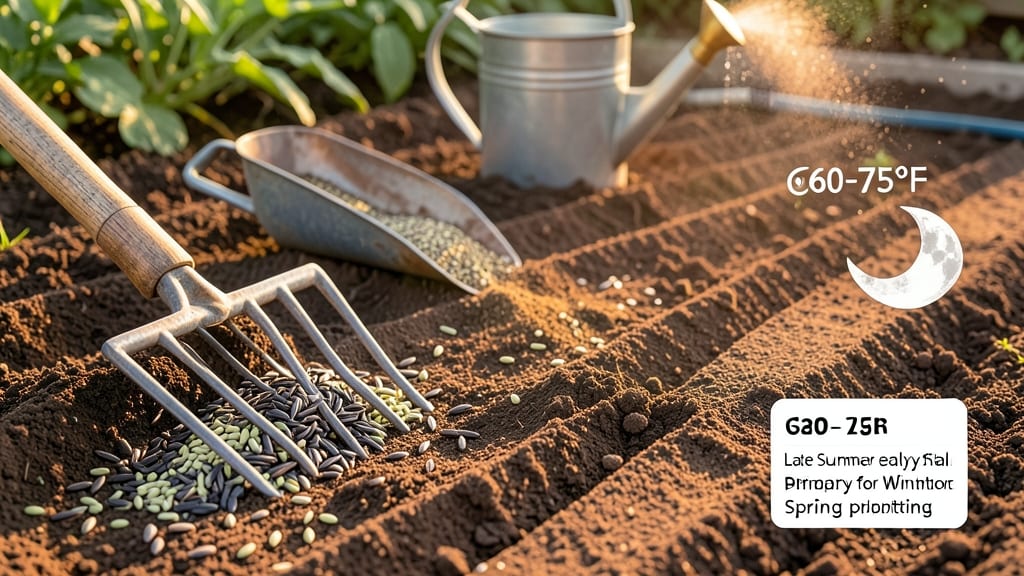
Planting grass seed in Alabama at the wrong time means watching your investment sprout into weeds instead of a lush lawn—here’s the exact window to lock in germination and avoid frost damage.
You’ve got two narrow windows each year to plant: early spring when soil warms to 60°F or late summer when heat softens before fall. Miss either, and you’ll battle heat stress, drought, or frost—all of which turn seed into a sad, patchy mess.
Alabama’s 7a-8b climate splits the state into two zones: North Alabama’s cooler springs demand patience, while South Alabama’s humidity rewards a slightly earlier start.
I’ll break down the soil temp deadlines by region, the best grass types for your yard, and how to prep soil so your seed doesn’t bake or freeze.
Skip the guesswork and learn how to time it perfectly—so your lawn grows thick, not thin, and stays green all season long.
Alabama’s best grass seed planting months by soil temperature & frost risk
Alabama’s climate creates two distinct planting windows for grass seed: early spring and late summer/fall, each tailored to different grass types. Cool-season grasses like Tall Fescue and Ryegrass thrive when soil temps hover between 55-65°F, while warm-season grasses such as Bermuda and Zoysia need warmer conditions—at least 65°F—to germinate successfully.
Timing matters because planting too early risks frost damage, while planting too late can lead to heat stress or poor root establishment. North Alabama’s last frost dates typically fall around mid-March, while South Alabama sees frost-free conditions by early March.
Conversely, first frosts arrive in mid-November in the north and late November in the south.
Here’s the key: Cool-season grasses should go in March-April or September-October, while warm-season grasses are best planted in late April-May or August-September. Missing these windows can mean slow germination, patchy lawns, or even seed failure.
| Planting Window | Grass Type | Soil Temp (°F) | Frost Risk | Best Months (AL) |
|---|---|---|---|---|
| Early Spring | Tall Fescue, Ryegrass | 55-65°F | Low (after last frost) | March-April |
| Late Summer/Fall | Tall Fescue, Ryegrass | 60-70°F | Moderate (before first frost) | August-September |
| Late Spring | Bermuda, Zoysia | 65-75°F | None (heat-tolerant) | April-May |
| Early Fall | Bermuda, Zoysia | 70-80°F | Low (before frost) | August-September |
For North Alabama (USDA Zones 7a-7b), aim to plant cool-season grasses by April 15 to avoid late frosts, while warm-season grasses should be in the ground by May 15.
In South Alabama (Zones 7b-8a), you’ve got more flexibility: cool-season grasses can go until mid-October, and warm-season grasses thrive until September 15 before summer heat becomes overwhelming.
If you’re in a transitional zone (like Central Alabama), consider overseeding warm-season grasses with ryegrass in late fall—this creates a "two-layer" lawn that stays green year-round. Just be sure to choose a drought-resistant variety like Tall Fescue if your area experiences summer droughts.
One common mistake? Planting cool-season grasses in summer—they’ll bolt (go to seed) or burn under Alabama’s 90°F+ heat. Conversely, warm-season grasses planted in fall won’t establish strong roots before winter dormancy sets in. Always check your local frost dates and adjust by 2-3 weeks for safety.
Pro tip: Use a soil thermometer to confirm temps before planting. Bermuda grass, for example, won’t germinate below 65°F, while Tall Fescue struggles above 80°F. Matching your grass type to the season ensures faster germination and a thicker lawn in just 4-6 weeks.
After planting, focus on consistent watering—keep soil moist (not soggy) for the first 2-3 weeks. In Alabama’s humidity, this means daily light watering in the morning to prevent fungal diseases. Once seedlings reach 2-3 inches, you can taper off to 2-3 times per week.
Remember: Alabama’s microclimates vary wildly—even within 50 miles, frost dates and soil temps can shift by 2 weeks. When in doubt, err on the earlier side for cool-season grasses or the later side for warm-season types. Your lawn will thank you with vibrant green growth** all season long!
How to prepare Alabama soil for grass seed planting (step-by-step)
Alabama’s clay-heavy soils and drought-prone summers demand extra prep before planting grass seed. Skipping soil prep means poor germination, weeds taking over, or seed baking in the heat.
I’ve planted grass in North Alabama’s cooler springs and South Alabama’s humid summers—here’s how to set yours up for success from day one.
Your goal is a fine, crumbly seedbed with pH 6.0–7.0, free of weeds and debris. Alabama’s USDA zones 7a-8b mean soil warms faster in the south, so timing matters. Let’s break it down step-by-step to avoid the top 3 mistakes: over-tilling, improper seed coverage, and inconsistent watering.
Fix: Add lime for low pH (follow package rates) or sulfur for high pH. Aim for 6.0–7.0—this is non-negotiable for grass seed germination.
Manual Step: Rake away dead weeds, rocks, and thatch. No exceptions—seed needs direct contact with soil.
Pro Tip: Add 1–2 inches of compost or peat moss to improve drainage in heavy clay.
Check: Hold a 2-foot level across the area. Adjust high spots with rake; fill low spots with extra soil.
Timing: Water early morning to avoid evening dampness (reduces fungal risk).
Rate: 0.5 lbs per 100 sqft. Spread evenly with a drop spreader and lightly rake in.
Alabama’s clay soils can be tricky—over-tilling turns them to mud, and under-prepping leads to weeds stealing nutrients. The key is balance: loosen just enough for roots, keep moisture consistent, and never let soil dry out during the first 2 weeks after planting.
I’ve seen lawns fail because of one missed watering in Alabama’s heat.
Once your seedbed is prepped, cover seeds with ¼-inch of soil (or less for fine seeds like ryegrass) and gently roll with a lawn roller to ensure contact. Water lightly immediately after planting to settle seeds—this is your #1 priority to avoid drying out.
Stick to a daily watering schedule until germination (7–14 days), then adjust based on rainfall.
Pro Tip: Mark your calendar for 2 weeks post-planting to check germination progress. If you see uneven sprouts, it’s often due to uneven soil contact or dry