
Plants
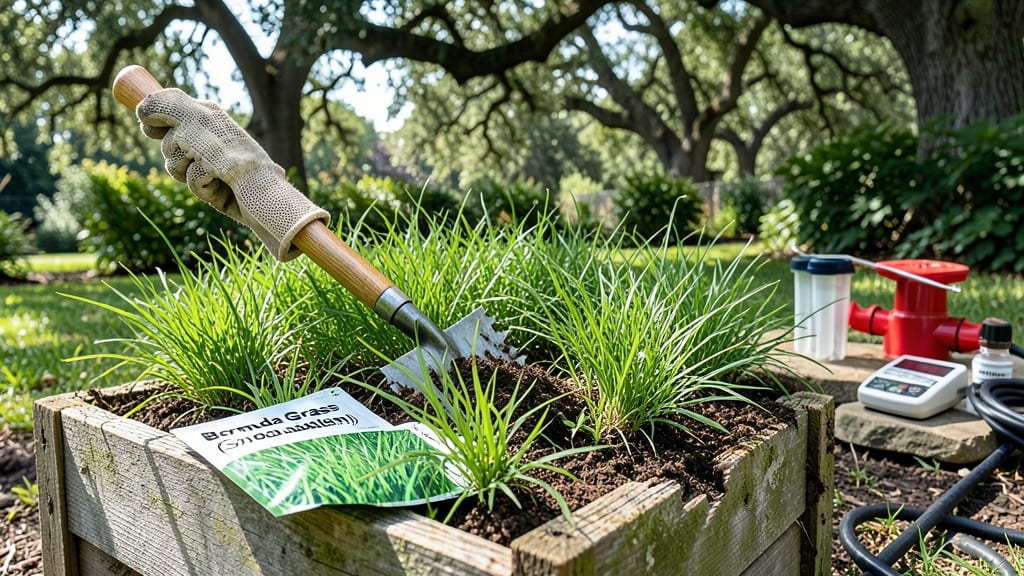
Planting Bermuda grass seed in North Carolina during late April to early June or early September to mid-October gives it the warm, stable soil it craves to take root.
Get it wrong, though, and you’re staring at patchy lawns or seed that refuses to sprout—even with the best intentions. The key isn’t just the calendar; it’s the soil temperature, which must hit 65°F or higher before you even think about spreading seed.
North Carolina’s 6a-8b zones mean your coastal areas and Piedmont regions play by slightly different rules, and ignoring those can turn your lawn project into a costly lesson. Below, I’ll walk you through the exact timing, soil prep, and care steps to set your Bermuda grass up for success.
You’ll learn how to read the signs of poor timing, the best way to prep your soil, and why a little patience in late spring pays off big when summer heat arrives.
Best planting window for Bermuda grass seed in NC: months & soil temperature rules
North Carolina’s warm climate makes Bermuda grass a top choice for lawns, but timing is everything. Planting too early or late can lead to poor germination, weak growth, or even seed failure.
The key is a 60-90 day cool-season window when soil temperatures and daylight align perfectly for seed success.
Unlike cool-season grasses, Bermuda grass thrives in heat but needs a head start in warmer soil. The ideal window spans late April through early June for spring planting, with a secondary window in early September to mid-October for fall.
This timing ensures seeds germinate before summer’s peak heat or winter’s dormancy sets in.
Soil temperature is the #1 factor for Bermuda grass seed success. Seeds won’t sprout reliably until the soil reaches 65°F and stays consistently between 65-75°F. In NC, this typically happens in mid-to-late April in coastal areas and late April to early May inland.
Waiting for these conditions prevents wasted seed and ensures strong root establishment.
🌱Pro Tip: Use a soil thermometer to check depth (1-2 inches down). If temperatures dip below 60°F, delay planting—cool soil slows germination and invites fungal diseases.
Here’s your NC-specific planting timeline broken down by region and soil conditions:
| Planting Window | Soil Temp Range | NC Region | Key Considerations |
|---|---|---|---|
| Late April - Early June | 65-75°F | Coastal (e.g., Wilmington) | Warmer soils earlier; monitor humidity for fungal risk. |
| Late April - Early June | 65-75°F | Piedmont (e.g., Raleigh) | Ideal balance of warmth and rainfall; prepare soil early. |
| Early May - Late May | 65-75°F | Mountains (e.g., Asheville) | Wait for last frost (mid-April); shorter growing season. |
| Early September - Mid-October | 65-75°F | All Regions | Avoid planting too late; seeds need 60 days to establish before frost. |
Avoid the #1 mistake NC gardeners make: planting Bermuda grass seed in March or November. Early spring soils are too cold (55°F or lower), causing seeds to rot or sprout unevenly. Late fall plantings risk first frost before roots establish, leaving your lawn vulnerable to winter kill.
For fall planting, aim to finish by mid-October in the Piedmont and early October in coastal areas. This gives seeds 60-90 days of warm soil before temperatures drop below 50°F. Use a soil thermometer to confirm consistency—fluctuating temps stress young seedlings.
💧Watering Tip: After planting, keep soil consistently moist (not soggy) until germination (7-14 days). Use a light sprinkle twice daily if daytime temps exceed 85°F to prevent seed desiccation.
Bermuda grass seed needs full sun (6+ hours daily), but the planting window is about more than sunlight—it’s about soil warmth and daylength. In NC, late May plantings risk summer heat stress, while June plantings may not establish before winter.
Stick to the 60-90 day rule for best results.
🌡️Soil Temp Check: Test your soil at 2-inch depth for 3 consecutive days. If temps dip below 65°F at night, delay planting until conditions stabilize.
How to prepare your NC lawn for Bermuda grass seed: soil, sunlight & pre-planting steps
Preparing your North Carolina lawn for Bermuda grass seed starts with understanding its soil and sunlight needs. Bermuda grass thrives in full sun (6-8 hours daily) and warm soil temperatures (65°F+).
If your yard gets less than 6 hours of direct sunlight, consider shade-tolerant alternatives like Zoysia or St. Augustine.
Before planting, test your soil’s pH level—Bermuda grass prefers a neutral range of 6.0-7.0. If your soil is too acidic or alkaline, amend it with lime (to raise pH) or sulfur (to lower pH) at least 4-6 weeks before seeding.
This gives the soil time to stabilize and avoid shocking your grass.
Step-by-Step Pre-Planting Checklist for NC Bermuda Grass
- Step 1: Clear the Area Remove all debris, rocks, and weeds. Use a broadleaf herbicide 2-3 weeks before planting to kill weeds without harming the seed.
- Step 2: Tilling the Soil Till the top 4-6 inches of soil to loosen compacted layers. This improves root penetration and water absorption—critical for Bermuda’s aggressive growth.
- Step 3: Fertilize with a 10-10-10 Ratio Apply a balanced starter fertilizer (10-10-10) at a rate of 0.5 lbs per 100 sq ft. This provides essential nutrients for early root development.
- Step 4: Level the Soil Rake the soil to create a smooth, firm surface. Fill low spots with topsoil and level high areas to prevent water pooling or uneven growth.
- Step 5: Lightly Rake the Seedbed Use a fine-tooth rake to create a rough texture. This helps seeds make contact with the soil and improves germination rates.
- Step 6: Test Sunlight Exposure Mark areas with less than 6 hours of sun—these spots will struggle. If unavoidable, plant Bermuda in the sunniest sections and fill gaps with shade-tolerant grass.
Once your soil is prepped, focus on weed control. Bermuda grass spreads quickly, but weeds can outcompete it early on. Apply a pre-emergent herbicide after seeding to prevent crabgrass and other weeds from taking hold without harming the grass.
Finally, water deeply but infrequently after planting. Bermuda grass seeds need consistent moisture to germinate, but overwatering can lead to fungal issues. Aim for 1 inch of water per week, applied in the morning to reduce evaporation and disease risk.
With these steps, your NC lawn will be ready for Bermuda grass seed—giving it the best chance to establish a dense, drought-resistant turf that thrives in the heat. 🌱