
Plants
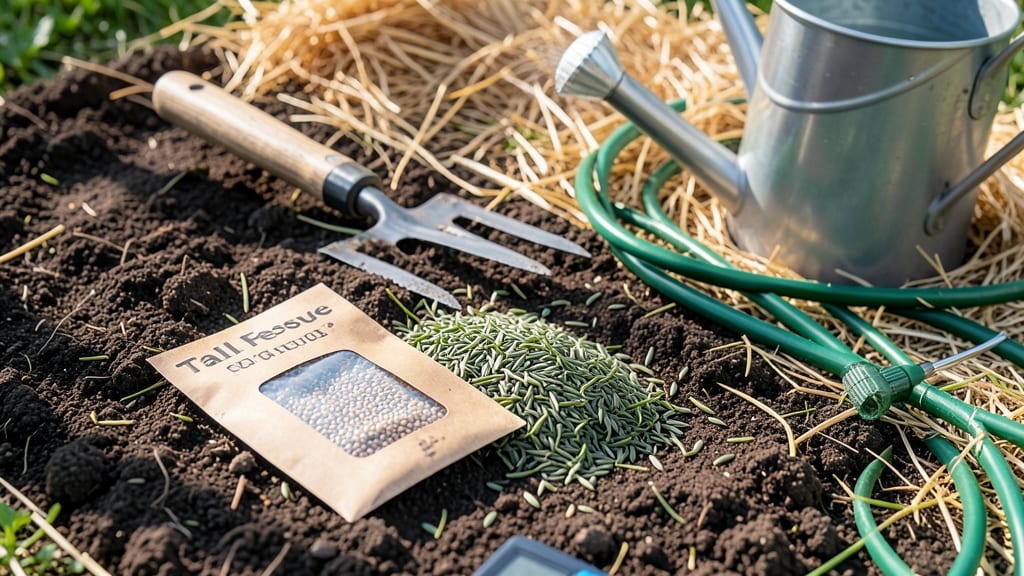
Planting grass seed in North Carolina at the right time can make the difference between a thick, green lawn and a patchy, weed-infested mess—especially when you consider the state’s humid summers and unpredictable winters.
North Carolina’s humid summers and unpredictable winters can make timing your grass seed planting a make-or-break factor for a lush, year-round lawn—but most gardeners get it wrong by planting too early or too late.
If you’ve ever poured time and money into grass seed only to watch it wither under summer heat or struggle to take root in winter, you’re not alone.
The best time to plant isn’t just about the calendar—it’s about soil temperature, rainfall, and even which part of the state you’re in.
In this guide, I’ll break down the optimal windows for planting in North Carolina—whether you’re in the coastal regions, the Piedmont, or the mountains—and share the secrets to getting your grass off to the strongest start.
North Carolina’s ideal grass seed planting windows: fall vs. spring breakdown
North Carolina’s humid subtropical climate creates two prime windows for planting grass seed: early fall (September-October) and late spring (March-April). Each offers distinct advantages, but the wrong timing can lead to poor germination or weed competition.
Let’s break down the science behind these windows and how your NC region affects success.
Fall planting remains the gold standard for most NC gardeners because cooler temperatures reduce seed stress while allowing roots to establish before winter. Spring planting is riskier due to summer heat stress, but with proper preparation, it can yield excellent results.
The key lies in understanding your local microclimate—whether you’re in the Coastal Plain, Piedmont, or Mountains—and adjusting your timing accordingly.
Soil temperature is the #1 factor: grass seed germinates best when soil stays between 55-65°F. In NC, this typically means September-October for fall planting and March-April for spring. Coastal areas may extend these windows slightly due to milder winters, while mountain regions should plant earlier to avoid early frosts.
Regional microclimates play a huge role. Coastal NC (e.g., Wilmington) has longer frost-free seasons (USDA zones 8a-8b), allowing late fall planting into October-November. Piedmont areas (e.g., Raleigh) in zones 7a-7b should aim for September-October or March-April. Mountain regions (e.g., Asheville) in zones 6a-7a must plant by mid-September or wait until late March to avoid frost damage.
Here’s how the two planting windows stack up across NC’s diverse regions:
For Coastal NC, the extended growing season means you can plant tall fescue or fine fescue as late as November
5 Critical factors that determine your perfect planting time in NC
Timing your grass seed planting in North Carolina isn’t just about picking a month—it’s about understanding how soil temperature, humidity, and rainfall interact with your specific grass type. For example, Bermuda grass thrives in heat but struggles in cooler months, while tall fescue handles NC’s winters far better.
Even a 5°F difference in soil temperature can mean the difference between germination success and seed waste.
I’ve planted grass seed across all three NC regions—coastal, Piedmont, and mountains—and learned that microclimates play a huge role. Coastal areas stay warmer longer, while mountain regions can have earlier frosts.
Without testing your soil’s readiness, you might plant too early and risk seed drying out or too late and face winter dormancy before roots establish.
Let’s talk about soil temperature first—this is the #1 factor most NC gardeners overlook. I once planted tall fescue in May when the soil was still 68°F, and the seeds barely sprouted.
The same seed thrived when planted in September at 62°F. Use a soil thermometer ($10 at any garden center) to check depths of 2-4 inches—this is where seeds germinate.
Next, consider humidity levels. NC’s coastal regions often have higher humidity (60-80%), which can suffocate seeds if not managed. I recommend planting Zoysia grass in these areas—it’s drought- and humidity-tolerant. For inland Piedmont, tall fescue is my go-to because it handles moderate humidity and cooler nights better.
Don’t forget to test your soil’s moisture retention. Dig a 6-inch hole, fill it with water, and time how long it takes to drain. If water pools for more than 2 hours, your soil is too compacted—amend with compost or sand.
Pro tip: Morning watering (before 10 AM) reduces evaporation and fungal risks in NC’s heat.
Finally, align your planting with NC’s natural rainfall cycles. August-September typically brings consistent showers, reducing the need for manual watering. If you’re in the mountains, aim for late April to early May—this gives seeds time to establish before first frost (usually mid-November).