
Companion Plants
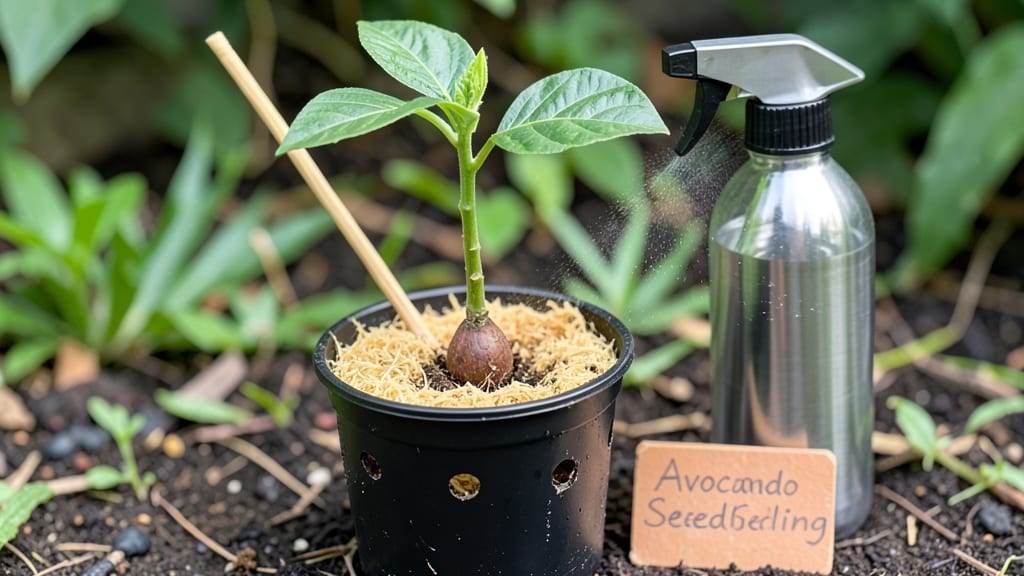
Plant your avocado seed in soil when it has a 2-inch root system and a 3-inch stem—not before, or you risk drowning the delicate roots in soggy dirt.
Watching your avocado pit sprout into a tiny seedling is exciting—but knowing exactly when to transition it from water to soil can make the difference between thriving and failure. The right timing hinges on warmth, root strength, and environmental cues that most gardeners miss.
If you live in Zone 6a, like me, wait until after the last frost—mid-April—when soil temperatures hit 65°F or warmer. Cold soil slows germination, and a seedling planted too early may rot before it even gets a chance to grow.
Below, I’ll walk you through how to check for readiness, the best soil mix for your 🥑 Avocado Tree, and what to do if your seedling stalls after planting. Spoiler: It’s not always about the water.
How to tell when your avocado seed is ready for soil (key growth signs)
Your avocado seedling isn’t ready for soil just because it’s sprouted—it needs three key growth signs to ensure survival. First, watch for a 2-inch root system growing from the bottom of your pit.
These roots should be thick and white, not thin or brown, as they’ll need strength to adapt to soil.
Next, check the stem thickness. A ready seedling will have a stem at least 3 inches tall with a diameter of about 1/8 inch. Gently squeeze it—if it feels firm and doesn’t snap easily, it’s ready. Brittle stems mean it’s not strong enough for transplanting yet.
The third sign is leaf development. Your seedling should have 2-3 healthy leaves that are dark green and glossy. Yellow or wilted leaves signal stress, and you should wait longer before planting. These leaves act as the seedling’s energy source for its first weeks in soil.
Here’s how these signs translate into actionable readiness:
Avoid the mistake of planting too early just because your seedling has leaves. I once rushed a 1-inch seedling into soil in March, and it rotted within a week because its roots couldn’t handle the transition. Always wait until all three signs are met—roots, stem, and leaves—before planting.
When you’re ready to plant, use a 50/50 mix of potting soil and perlite to prevent root rot. Fill a 6-inch pot with this mix, make a small hole, and gently place your seedling so the roots are covered but the stem remains above soil level.
Pat the soil lightly to secure it.
After planting, place your seedling in bright, indirect light for the first week to reduce stress. Avoid direct sunlight, which can scorch tender new leaves. Gradually introduce it to more light over 7-10 days, and you’ll see steady growth within 2-3 weeks if done correctly.
One common mistake is overwatering after planting. Avocado seedlings need moderate moisture, not soggy soil. Water only when the top inch of soil feels dry, and always use a pot with drainage holes to prevent root suffocation.
If your seedling shows signs of stress—like yellowing leaves or stunted growth—it may need more time to adjust. In this case, return it to its water jar for another 2-4 weeks until it’s stronger. Patience is key; rushing the process often leads to failure.
With these signs and steps, your avocado seedling will have the best chance of thriving in soil. The first few weeks are critical, so monitor its progress closely and adjust care as needed.
Best soil planting timeline by climate Zone (warmth-triggered schedule)
Timing your avocado seedling's transition to soil depends entirely on your climate zone and whether you're planting indoors or outdoors. In Zone 7-9, aim for late March to early May when soil temperatures consistently stay above 65°F (18°C).
For Zones 10-11, you can plant year-round, but spring (March-April) gives the best results.
Cold soil is the #1 killer of young avocado seedlings. I learned this the hard way when my Zone 8 seedling wilted after a late frost—even though it had strong roots. Always check soil temps with a thermometer before planting, especially in transitional zones.
- 1 Zones 7-8: Wait until after last frost (typically mid-April) when soil hits 65°F+. Use black plastic mulch 2 weeks before planting to warm soil faster.
- 2 Zones 9-10: Plant February-March for outdoor success. If starting indoors, transition to soil by April when nights stay above 55°F (13°C).
- 3 Zone 11: Plant anytime, but spring (March-April) gives strongest growth. Use 50% perlite mix to prevent heat stress in summer.
- 4 Indoor Transition: Move seedlings outdoors gradually (2 hours/day) starting 2 weeks before planting to harden off. Sudden temperature shifts cause cold shock.
- 5 Container vs Soil: Use 6-inch pots for indoor seedlings. For outdoor planting, choose well-draining beds with sandy loam (avoid clay).
For indoor seedlings, start the hardening process 2 weeks before your zone's ideal planting date. Place them near a south-facing window during the day and bring them inside at night. This gradual transition prevents transplant shock, which causes leaves to yellow or drop.
After planting, monitor soil moisture closely. Avocado seedlings need consistent moisture but never soggy conditions. Stick your finger 1 inch deep—if it's dry, water thoroughly. Overwatering in cold soil leads to root rot, which kills seedlings within 48 hours.
Pro tip: Add 1 cup of compost to the planting hole before placing your seedling. This gives it an instant nutrient boost and improves soil structure. In Zones 7-8, cover the soil with mulch to retain warmth and moisture during the critical first 2 weeks.
Remember, avocado seedlings grow best when soil temperatures stay between 70-85°F (21-29°C). If your area experiences late frosts, consider using a cloche or row cover for the first month to protect your young tree.