
Plants
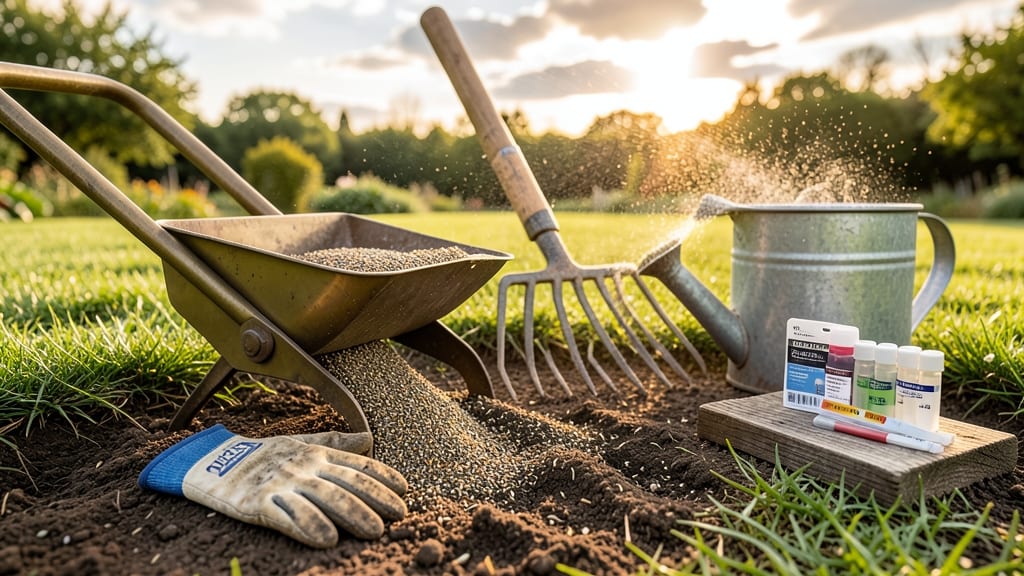
Planting grass seed in Wisconsin at the right time means the difference between a lush lawn and a patchy disappointment — and the best windows are early spring or early fall when soil temps hit 50°F+.
Wisconsin’s unpredictable spring and fall weather can turn a perfect grass seed planting window into a gamble—unless you know the exact soil temperatures and frost-free deadlines for your zone.
In USDA zones 4b-5b, early spring (April–May) or early fall (September–October) are your safest bets, but timing depends on whether you’re in the cooler north or milder southern regions.
Here’s how to pick the ideal window for your yard, from soil prep to avoiding common mistakes that kill germination before it starts.
Wisconsin grass seed planting timeline by Zone: soil temps & frost-free deadlines
Timing is everything when planting grass seed in Wisconsin. The cool-season grasses we love—like Kentucky bluegrass and fine fescue—thrive in 50°F+ soil temperatures, but planting too early or late risks frost damage or poor germination.
Wisconsin’s 5 USDA zones (4b-5b) create microclimates where even neighboring towns may have 2-week differences in frost-free deadlines.
Spring planting (April–May) gives seeds 8–10 weeks of warm weather to establish roots before summer dormancy, while fall planting (September–October) avoids summer heat stress.
The key? Soil temps must stay above 50°F for 7+ days before planting, and you’ll want to finish 4–6 weeks before the first frost to ensure strong root growth.
Here’s how to align your planting with Wisconsin’s zone-specific deadlines and soil temperature requirements to maximize success.
| Zone | Spring Planting Window | Fall Planting Window | Soil Temp Requirement | Last Frost Date | First Frost Date |
|---|---|---|---|---|---|
| 4b (Northern WI) | Mid-April to early May | Mid-September to early October | 50°F+ (consistent) | May 10–15 | October 5–10 |
| 5a (Central WI) | Late April to mid-May | Late August to mid-October | 50°F+ (consistent) | April 25–May 5 | October 10–15 |
| 5b (South-Central WI) | Early April to late May | Early September to late October | 50°F+ (consistent) | April 15–20 | October 15–20 |
| 6a (Southeast WI) | Late March to early June | Mid-August to November 1 | 50°F+ (consistent) | April 5–10 | October 25–30 |
| 6b (Extreme SW WI) | Early April to late June | Late August to November 15 | 50°F+ (consistent) | March 25–April 5 | November 5–10 |
For Zone 4b (e.g., Green Bay or Eau Claire), aim for mid-April spring planting when soil hits 50°F consistently. In Zone 6b (e.g., Milwaukee or Madison), you can start as early as late March, but watch for late frosts—they can kill young seedlings.
Fall planting is often more successful in Wisconsin because it avoids summer drought stress. September is ideal for northern zones, while October works for southern areas. Plant 4–6 weeks before the first frost to allow roots to establish before winter dormancy.
For example, Zone 5a gardeners should finish by mid-October, while Zone 6b can push to early November.
Use a soil thermometer to confirm temps before planting—50°F+ for 7+ days is non-negotiable. If your soil is too cold, wait; if it’s too hot (above 85°F), seeds may dry out before germinating. Morning planting (before 10 AM) reduces stress on seeds exposed to afternoon heat.
Pro tip: Ryegrass germinates faster (5–10 days) than bluegrass (14–21 days), making it a great choice for late-spring or early-fall plantings when time is tight. Mixing ryegrass with fescue creates a fast-start lawn while improving long-term resilience.
Don’t let Wisconsin’s unpredictable weather derail your lawn goals. By aligning your planting with soil temps and frost-free deadlines, you’ll give your grass the best shot at thriving from the first green sprout to
How to prepare your Wisconsin lawn for grass seed success before planting
Wisconsin’s clay-heavy soils and unpredictable weather demand careful prep before planting grass seed. A well-prepared lawn ensures 90%+ germination rates and a thick, resilient turf. Start by testing your soil’s pH level—ideal for cool-season grasses is between 6.0 and 7.5.
If your soil is too acidic or alkaline, amend it with lime (to raise pH) or sulfur (to lower pH) at least 4-6 weeks before planting. Wisconsin’s northern zones often need extra lime due to natural acidity from pine forests.
Next, clear the area of weeds and debris. Use a pre-emergent herbicide 2 weeks before planting to prevent crabgrass and other weeds from competing with your new grass. For organic options, try corn gluten meal, which also acts as a natural fertilizer.
Now, let’s dive into the step-by-step prep checklist tailored for Wisconsin’s unique conditions:
Use a soil test kit or send a sample to the UW-Madison Soil Lab. Aim for 6.0–7.5 pH—adjust with lime or sulfur if needed.
Apply glyphosate (if needed) or vinegar spray for organic control. Then, till the soil to a 3–4 inch depth to break up clay compaction.
Mix in 2–3 inches of compost or aged manure to improve drainage and fertility. Wisconsin’s clay soils benefit from peat moss or sand for better aeration.
Use a high-phosphorus fertilizer (e.g., 10-20-10) to encourage root growth. Spread ½ pound per 100 sqft and lightly rake into the top ¼ inch of soil.
Fill low spots with a soil-sand mix and rake smooth. A level surface prevents water pooling, which can drown seeds or cause fungal issues.
After prepping, lightly water the soil to settle it before planting. This step ensures your grass seed makes consistent contact with the moist, nutrient-rich layer. Avoid overwatering—just keep the top ½ inch of soil damp until germination.
For Wisconsin’s cool-season grasses like Kentucky bluegrass or tall fescue, timing is critical. Follow these steps 4–6 weeks before your target planting date to give seeds the best chance to thrive in your clay-heavy, variable climate. 🌱