
Planting
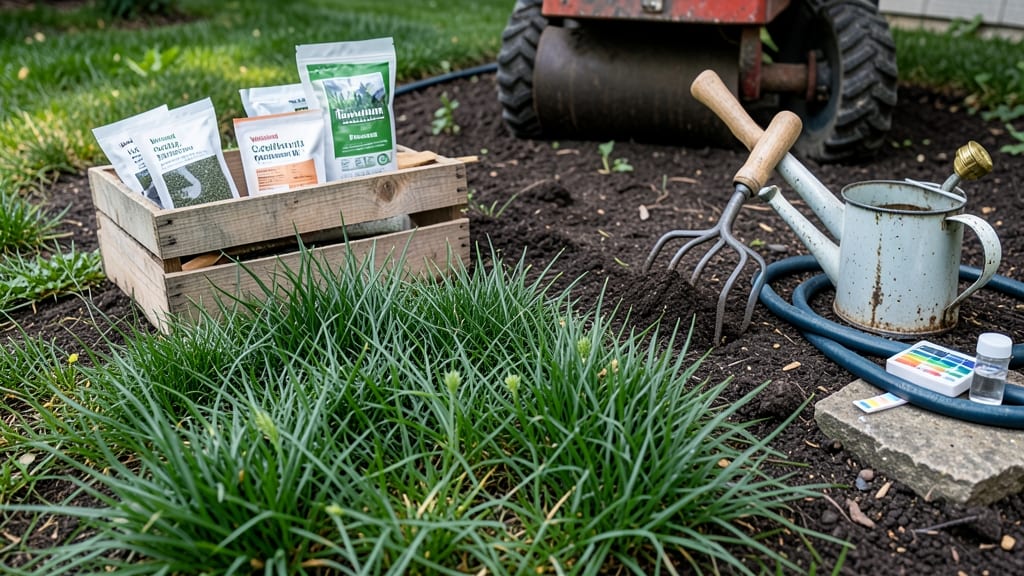
You can plant grass seed in Wisconsin as soon as the soil warms to 50°F and stays reliably frost-free, typically late April to early May in most zones, or in early fall before the first frost.
Wisconsin’s unpredictable spring weather can turn a perfect lawn into a guessing game—plant grass seed too early and risk frost damage, too late and watch weeds take over. Timing is everything, and knowing your zone’s frost-free window is the key to a lush, healthy lawn.
In USDA zones 4a-6b, early spring planting (March-April) is ideal for cool-season grasses like Kentucky bluegrass, while fall planting (August-September) gives warm-season grasses like tall fescue a head start before winter. The 50°F soil temperature is your green light—below that, germination stalls.
Below, I’ll break down the exact frost-free windows by region, how to test soil readiness, and the 3 critical mistakes that ruin even the best-laid lawn plans. No more second-guessing—just a lawn that thrives.
Wisconsin grass seed planting dates by USDA hardiness zone
Wisconsin spans USDA Zones 4a to 6b, meaning frost dates vary dramatically from north to south. Cool-season grasses like Kentucky bluegrass and tall fescue thrive in Wisconsin's climate, but timing is critical—plant too early and frost will kill tender seedlings, too late and summer heat stress takes over.
The ideal window is just before summer's heat or after its peak, depending on your zone.
Northern Wisconsin (Zones 4a-5a) has a shorter growing season, while southern Wisconsin (Zones 5b-6b) enjoys longer frost-free periods. This creates two primary planting windows: early spring (after last frost) and early fall (before first frost).
Each zone requires slightly different strategies to maximize germination and establishment success.
Below is a zone-by-zone breakdown of Wisconsin's frost dates and optimal planting windows. Use these as your guide to avoid common mistakes like planting when soil temperatures are too cold or too hot for seed germination.
For most Wisconsin lawns, late April to early May and mid-August to early September are the sweet spots.
For Zone 4a gardeners in northern Wisconsin, focus on late April to early June planting to avoid late frosts. The soil must be at least 50°F (10°C) for cool-season grasses to germinate properly.
In Zone 6b areas like La Crosse or the far southwest, you can start as early as mid-March and extend fall planting into early August.
Fall planting is often preferred because cooler temperatures reduce weed competition and drought stress. Seeds germinate slowly in fall, establishing strong root systems before winter. Aim to plant 6-8 weeks before your first frost—this gives seedlings time to develop without rushing into winter dormancy.
In Zone 5a, that means mid-August to early September.
Warm-season grasses like Bermuda grass (rare in Wisconsin) or Zoysia (limited to Zone 6b) require different timing—plant only after soil reaches 65°F (18°C) in late spring. However,
Signs it’s the perfect time to plant grass seed in Wisconsin
Don’t rely on a calendar—your Wisconsin lawn’s success depends on soil temperature and weather patterns, not just dates. The perfect planting window arrives when your soil warms to 50°F or higher and stays consistently frost-free for at least 2 weeks.
This typically lands in late April to early May for spring, but regional variations mean you’ll need to test, not guess.
For fall planting, aim for 6-8 weeks before the first frost (usually mid-August to early September in Wisconsin). Cool evenings and warm days create ideal germination conditions without summer heat stress. But how do you know for sure? Here’s what to watch for:
Use a soil thermometer (insert 4" deep) to confirm. Below 50°F, seeds rot; above 70°F, they dry out. Cool-season grasses like Kentucky bluegrass thrive at 60-75°F.
Check the National Weather Service for a 10-day outlook. No hard frosts (<32°F) predicted? It’s go time. Northern Wisconsin (zones 4a-5a) waits longer than southern areas (zones 5b-6b).
Press your hand into the ground—it should crumble easily but not be muddy. If it’s soggy, wait. If it’s powdery, water lightly the day before planting to lock in moisture without drowning seeds.
Pull weeds by hand or spot-treat with corn gluten meal (a natural pre-emergent). Weeds compete for water and nutrients—your grass seed needs the upper hand from day one.
Light morning dew signals high humidity, which helps seeds stay moist. Avoid planting if heavy rain is forecast—seeds can wash away or suffocate.
Pro tip: Plant in the late afternoon when temperatures drop slightly. This gives seeds a head start on moisture retention overnight. And if you’re still unsure? Test a small patch—sow a 2’x2’ section and monitor germination in 7-14 days. If it thrives, expand!
Remember, Wisconsin’s microclimates vary wildly. A neighbor’s perfect timing might not suit your yard. Trust the soil, not the calendar, and your lawn will reward you with dense, vibrant growth all season long. 🌱