
Plants
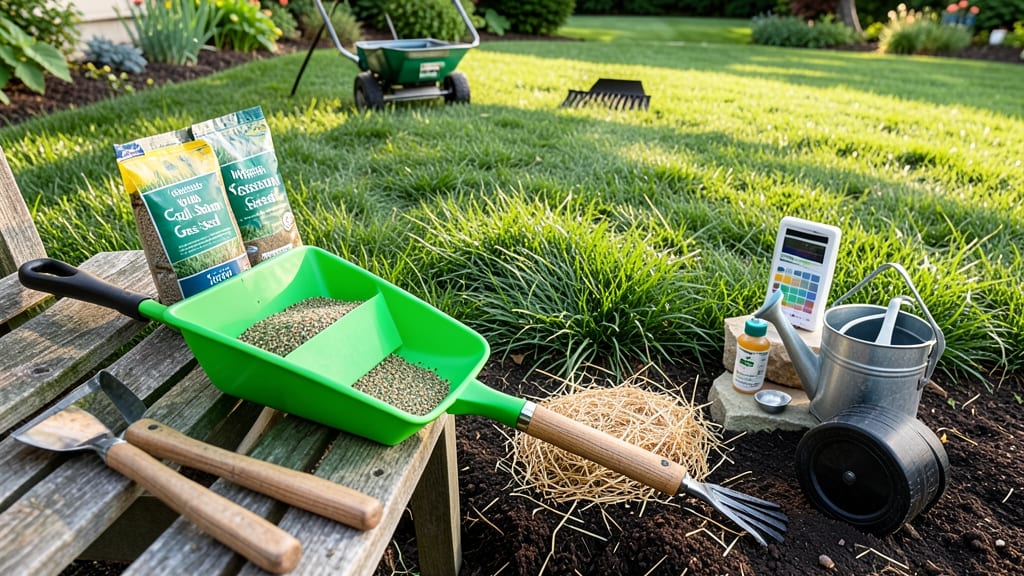
Planting grass seed in Michigan at the right time means the difference between a fast, lush lawn and months of patchy, slow growth.
Michigan’s unpredictable spring and fall weather can turn a perfect lawn into a frustrating gamble—unless you plant grass seed at the exact right time. Miss the window, and you risk slow germination, weeds taking over, or even seed rot.
For Zone 5b-6b, the best time to plant grass seed is when soil temperatures hit 40°F–75°F—typically early spring (March–April) or early fall (September–October). Planting too early or too late can leave your lawn vulnerable to frost, drought, or disease.
Here’s how to nail the soil temperature deadlines by Michigan’s gardening zones for a fast, weed-free lawn—plus the tools and steps to ensure your grass seed germinates in just 2–3 weeks.
Michigan’s grass seed planting deadlines by soil temperature zones
Michigan’s USDA zones 4b–6a create dramatic differences in when to plant grass seed—cool-season grasses thrive in 40°F–60°F soil, while warm-season types need 70°F–75°F. Planting at the wrong time means slow germination, weed competition, or even seed rot.
Northern Michigan’s shorter growing season demands precise timing, while southern regions can stretch windows slightly. Let’s break down the exact soil temperature deadlines for each zone and season.
For cool-season grasses (Kentucky bluegrass, tall fescue), the ideal soil temperature range is 40°F–60°F. In Michigan, this typically aligns with early spring (March–April) and fall (September–October).
Warm-season grasses like Bermuda or zoysia need 70°F+ soil, which usually arrives in late May–June in southern Michigan but may never happen in the north. Missing these windows can mean your lawn struggles to establish before winter or summer heat.
Here’s your zone-by-zone soil temperature guide for planting grass seed in Michigan, including the best weeks to act based on historical data:
In USDA zone 4b, like northern Michigan’s Traverse City or Marquette, your window is tight—plant cool-season grass between early May and early June or late August to early September.
Soil must stay above 40°F for at least 4 weeks for germination. Miss this, and you’ll risk late-season weeds or frost damage before roots establish.
For zone 5a (Upper Peninsula), focus on fine fescue or perennial ryegrass—they tolerate cooler soils better. Plant in mid-April to May or September 15 to October 15. Use a soil thermometer to confirm temps are 45°F–60°F at 2-inch depth. Warmer soils can overwhelm seedlings in northern climates.
Southern Michigan’s zone 6a (Detroit, Grand Rapids) offers more flexibility. You can plant cool-season grasses in March–April or stretch fall planting to early November. However, warm-season grasses like Bermuda only work here—never in the north.
Wait until soil hits 70°F+ (usually late May) to avoid heat stress on seedlings.
Pro tip: Check soil temps weekly in spring—a sudden 60°F+ spike can signal it’s time to plant. In fall, aim for 6 weeks before first frost (usually mid-October in the north, early November in the south). Use a lawn thermometer ($10–$15) to avoid guesswork.
If you’re in zone 5b or 6a and want a year-round green lawn, consider overseeding warm-season grass in fall with cool-season ryegrass. This hybrid approach works best in southern Michigan but fails in the north’s harsh winters.
Remember:
How to test soil temperature and adjust planting for Michigan’s weather
Testing soil temperature is the #1 way to avoid planting grass seed too early or too late in Michigan’s unpredictable climate. Cool-season grasses like Kentucky bluegrass and tall fescue germinate best when soil temps hit 40°F–55°F, while warm-season grasses like Bermuda grass need 70°F–75°F.
A simple soil thermometer ($10–$15) solves this guessing game—just check temps 2–4 inches deep where you’ll plant.
Michigan’s microclimates (urban vs. rural) can shift planting windows by 2–3 weeks. Cities like Detroit or Grand Rapids often warm up faster than rural areas, so test soil temps in your exact spot.
For example, southern Michigan (Zone 6a) may hit 50°F by early April, while northern Michigan (Zone 4b) might wait until late May. Always plant when the 5-day forecast shows no hard frost risk.
A soil thermometer isn’t just for timing—it also helps adjust for late frosts or early heatwaves. If temps spike above 80°F after planting, germination slows or stops. Use shade cloth or mulch to keep soil cool, and water deeply in the morning to retain moisture.
Conversely, if temps drop below 40°F before seeds sprout, cover the area with straw or a frost blanket until conditions improve.
- 🌡️ Purchase a soil thermometer (digital or dial) and calibrate it before use.
- 📍 Test soil 2–4 inches deep in your planting area, avoiding direct sunlight or shaded spots.
- ⏰ Check temps early morning (4–6 AM) for the most accurate reading.
- 📅 Plant cool-season grass when soil hits 40°F–55°F (early spring or fall).
- ☀️ Plant warm-season grass only when soil reaches 70°F–75°F (late spring/early summer).
- 💧 Prep soil 1–2 weeks before planting: Loosen top 2–3 inches, adjust pH to 6.0–7.0, and water deeply.
- 🌱 Monitor temps daily after planting—ideal germination range is 60°F–75°F for most grasses.
Before planting, prep your soil to speed up germination. Start by raking the area to loosen soil and remove debris, then work in 2–3 inches of compost or aged manure for nutrients.
Test your soil’s pH level—Michigan’s clay-heavy soils often need lime (to raise pH) or sulfur (to lower pH). Aim for a pH of 6.0–7.0 for optimal grass growth. If your soil is too dry, water it 2–3 days before planting to ensure moisture reaches the root zone.
Adjust your planting strategy based on Michigan’s late-spring frosts or early-fall heatwaves. If a frost warning appears after planting, cover seeds with straw or a frost blanket until temps rise. For heatwaves, water deeply twice daily (morning and late afternoon) to prevent soil from drying out.
In urban areas, pavement and buildings can create heat islands, making soil warmer—test these spots separately. Rural areas may stay cooler longer, so plant 1–2 weeks later than city neighbors.
Once your grass seed is in the ground, consistent moisture is key to fast germination. Water lightly but frequently (every 1–2 days) to keep the top 1/4 inch of soil moist. Avoid overhead sprinklers that can wash away seeds—use a gentle rain nozzle or soaker hose instead.
Within 7–21 days, you’ll see sprouts if conditions are right. If germination stalls, check soil temps again—below 40°F or above 85°F can halt growth until conditions improve.