
Companion Plants
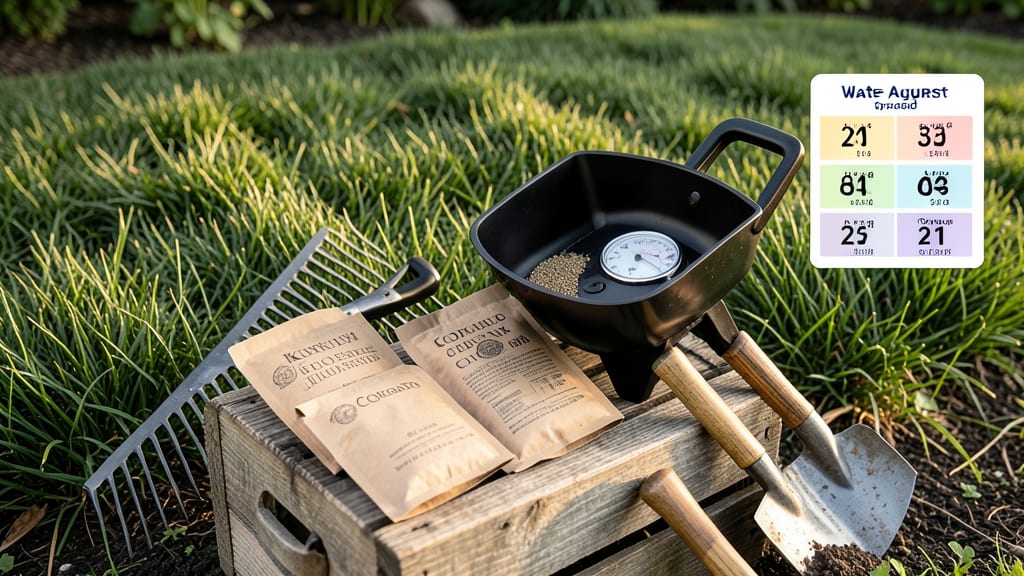
You can plant grass seed in Colorado between late August and mid-September for fall or early April to mid-May for spring, timing that avoids frost and maximizes root growth 🌱.
Timing your grass seed planting in Colorado can mean the difference between lush green lawns and struggling sprouts—especially with the state’s dramatic elevation shifts and unpredictable frost patterns.
Whether you’re in the Front Range’s 5-6 zones or the Eastern Plains’ 4-5, getting the window right is critical. Plant too early, and frost will kill tender sprouts; too late, and summer heat stresses young roots.
Below, I break down the exact frost-free windows by elevation, soil prep secrets for Colorado’s varied climates, and how to adjust for microclimates—so your lawn thrives from Denver to the mountains.
Colorado’s frost-free planting windows by elevation zone (2024 guide)
Colorado’s elevation extremes create wildly different frost-free windows for grass seed. At 3,000–5,000 ft, lowland areas like Denver enjoy 120+ frost-free days, while 7,000+ ft mountain regions may have just 90 days—meaning your planting window shrinks dramatically.
Understanding these zones ensures your grass establishes before winter’s first freeze.
For optimal germination, aim for soil temperatures between 60°F–75°F. Below 50°F, seeds risk frost damage; above 80°F, they dry out. Colorado’s spring and fall windows are your safest bets, but timing shifts 1–2 weeks per 1,000 ft elevation gain.
Here’s the breakdown by zone, including last frost dates, soil temp thresholds, and ideal planting windows to maximize root growth before winter:
| Elevation Zone | Avg. Last Frost | Ideal Soil Temp | Spring Planting Window | Fall Planting Window |
|---|---|---|---|---|
| Lowland (3,000–5,000 ft) | April 15–May 1 | 60°F–75°F | Early April–mid-May | Late August–mid-Sept |
| Foothills (5,000–7,000 ft) | April 1–May 15 | 55°F–70°F | Mid-April–early June | Early August–early Sept |
| Mountain (7,000+ ft) | May 1–June 1 | 50°F–65°F | Late May–early July | Late July–early Aug |
In lowland zones like Denver or Colorado Springs, your spring window runs from early April to mid-May, while fall planting should wrap up by mid-September. These areas benefit from longer frost-free periods, allowing grass to establish deeper roots before winter.
At 5,000–7,000 ft (foothills), your window narrows. Spring planting shifts to mid-April–early June, and fall planting must start by early August to avoid early frosts. Use cool-season grasses like Kentucky bluegrass or tall fescue for better cold tolerance.
For mountain regions above 7,000 ft, timing is critical. Spring planting shouldn’t start until late May, and fall planting must begin by late July to allow 4–6 weeks of growth before frost. Consider hardy varieties like alpine bluegrass or creeping red fescue for these high-altitude challenges.
Pro tip: Check local microclimates. Urban areas like Denver may experience 5–10°F warmer soil temps than rural spots, extending your window by 1–2 weeks. Use a soil thermometer to confirm readiness—don’t rely solely on calendar dates.
If you miss the ideal window, don’t panic. Backup options include using winter ryegrass (plant in early fall) or delaying until next season. Just avoid planting when soil temps drop below 50°F—your seeds will struggle to germinate.
Remember: Soil prep matters more than dates. Loosen soil to 4–6 inches deep, amend with compost, and water deeply daily until germination. With the right timing and care, your Colorado lawn can thrive at any elevation.
How to adjust grass seed planting for Colorado’s microclimates
Colorado’s diverse landscapes—from Denver’s urban heat islands to the wind-swept Eastern Plains and alpine mountain slopes—create unique challenges for grass seed germination. Each microclimate demands specific seed varieties, soil adjustments, and watering schedules to ensure success.
For example, tall fescue thrives in mountain regions where cool nights slow growth, while buffalo grass handles the Plains’ drought and heat better than Kentucky bluegrass.
Your first step is identifying your microclimate type. Urban areas like Denver or Colorado Springs experience the urban heat island effect, where pavement and buildings trap heat, raising soil temperatures by 5-10°F.
Meanwhile, the Eastern Plains face high winds that dry out soil, and mountain zones (7,000+ ft) have shorter growing seasons and colder soils. Adjusting for these factors can double your success rate.
- 1 Urban Heat Islands (Denver/Front Range): Use heat-tolerant varieties like Zoysia grass or tall fescue blends. Pre-water soil 24 hours before planting to combat dryness from heat absorption. Mulch with straw to retain moisture.
- 2 Windy Plains (Eastern CO): Choose drought-resistant grasses like buffalo grass or blue grama. Windbreaks (e.g., temporary fencing or shrubs) protect seedlings. Water deeply in the morning to reduce evaporation from wind.
- 3 Alpine Zones (7,000+ ft): Opt for cold-hardy grasses like fine fescue or Alpine bluegrass. Test soil temperature—wait until it reaches 50°F+ before planting. Extend the season with frost blankets if late frosts threaten.
-
4
Soil Prep Adjustments:
- Urban: Amend with compost to improve drainage.
- Plains: Add organic matter to hold moisture.
- Mountains: Use peat moss to warm soil.
-
5
Watering Strategies:
- Urban: Water early morning (6-8 AM) to avoid evaporation.
- Plains: Use drip irrigation to conserve water.
- Mountains: Water late afternoon to prevent frost damage.
For urban areas, I recommend pre-sprouting seeds indoors in trays before transplanting. This gives tender sprouts a head start against heat stress. In windy plains, mix seed with sand (1:1 ratio) to prevent wind from burying it too deeply.
Meanwhile, mountain gardeners should plant in micro-sheltered spots, like the lee side of boulders or fences, to protect seedlings from late snow or hail.
One common mistake is assuming one-size-fits-all grass seed works everywhere. For instance, Kentucky bluegrass struggles in high-altitude zones because it needs warmer soils to germinate. Instead, fine fescue mixes are better suited for elevations above 7,000 feet.
Always check the USDA zone recommendations on your seed packet and adjust accordingly.
Finally, monitor soil moisture closely after planting. Use a soil moisture meter to ensure the top 1-2 inches stay consistently damp—never soggy. In dry climates, consider hydroseeding, which uses a seed-and-mulch slurry to lock in moisture.
With these microclimate-specific tweaks, your Colorado lawn will establish 2-3 weeks faster and withstand local stresses like a pro. 🌱