
Plants
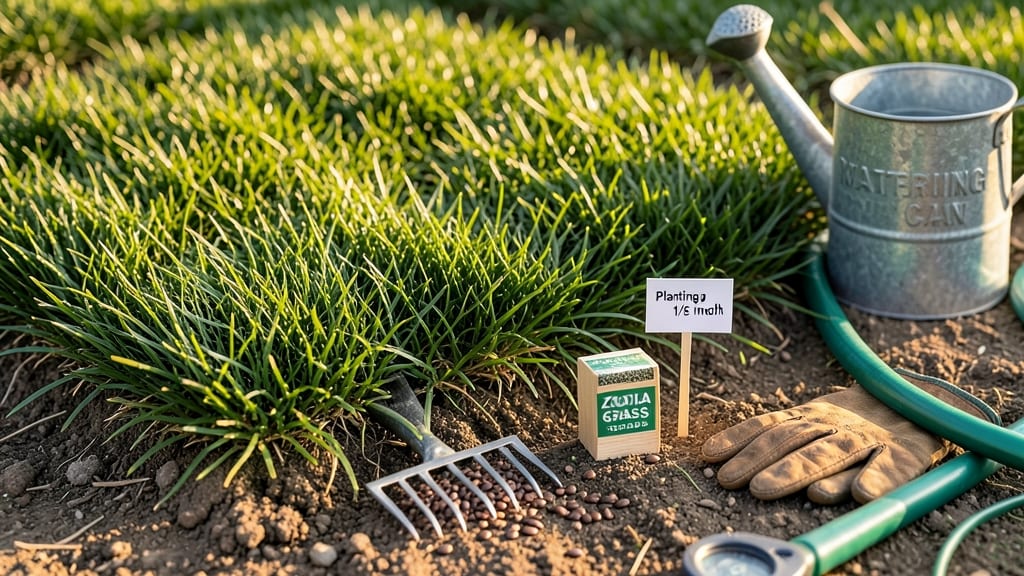
To plant Zoysia grass seed in Texas, aim for late spring to early summer or early fall when soil temperatures hit 65°F—this timing ensures strong root growth before winter slows it down.
Miss that window, and you risk slow germination or frost damage, leaving you with patchy lawns for years. I’ve seen it happen too many times—especially in North Texas, where a late frost can turn a fast start into a frustrating one.
Texas’s varied climate means the best months shift from April to June in the Panhandle to August to September in South Texas. The key? Planting when the soil is warm enough but before summer’s brutal heat sets in.
Below, I’ll break down the exact months by region, soil prep secrets, and the one mistake that derails even the most eager gardeners—so you can get it right the first time.
Best months to plant Zoysia grass seed in Texas (by region)
Texas’s diverse climate means Zoysia grass seed thrives in different windows depending on your region. In North Texas, cooler springs and earlier frosts demand precise timing, while South Texas’s longer growing season offers more flexibility.
The key? Plant when soil temperatures hit 65°F+ and avoid late-season stress before winter dormancy. Let’s break it down by zone to ensure your lawn establishes strong roots before the first frost.
Zoysia grass is a warm-season grass that germinates best in late spring to early fall. However, Texas’s USDA zones 8a-10b create microclimates where even a month’s difference can impact success.
For example, East Texas (zone 8a) has a shorter frost-free window than West Texas (zone 9b), where winters are milder. Understanding these regional nuances helps you avoid costly mistakes like slow germination or winterkill.
Here’s the exact planting timeline for each Texas region, including soil warmth thresholds and frost risk dates to guide your schedule:
| Region | Best Planting Window | Soil Temp Requirement | Frost Risk | Rainfall Notes |
|---|---|---|---|---|
| North Texas (Zones 8a) | Late April – Early June | 65°F+ | First frost: Nov 15 | Irrigate weekly; May-June droughts are common. |
| Central Texas (Zones 8b-9a) | Early May – Mid-July | 68°F+ | First frost: Nov 1 | August humidity aids germination; reduce water in July. |
| South Texas (Zones 9b-10b) | June – Early September | 70°F+ | First frost: Oct 31 | Monsoon rains help; avoid overwatering in September. |
| Alternative Window (All Regions) | Early August – Mid-September | 65°F+ | Low frost risk | Ideal for fall establishment before winter. |
In North Texas, aim for late April to early June to beat the heat and ensure seeds germinate before summer droughts set in. The soil must stay consistently above 65°F, so use a soil thermometer to confirm readiness—cold soils delay germination by weeks.
If you miss this window, your second chance is early August, but monitor for early frosts after Labor Day.
Central Texas gardeners have a slightly longer window (May to July), thanks to milder winters. However, July heat can stress young seedlings, so prioritize deep watering (1-1.5 inches per week) and morning irrigation to prevent fungal diseases.
The August-September window is ideal here, as temperatures cool slightly and rainfall increases, reducing irrigation demands.
For South Texas, the June-September window is perfect—soil stays warm year-round, and monsoon rains provide natural hydration. But avoid planting after mid-September, as hurricane season can disrupt seedling establishment.
If you’re in zone 10b, you can even plant into early October, but protect young grass with light frost cloth if temperatures dip below 50°F.
Regardless of your region, soil preparation is just as critical as timing. Test your soil’s pH (6.0–7.0), loosen compacted areas with a garden fork, and mix in compost to improve drainage. Zoysia grass hates soggy roots, so amend heavy clay soils with sand or perlite to prevent waterlogging.
Once planted, keep the seedbed consistently moist (not soggy) until germination, which typically takes 14–21 days.
Pro tip: Use a straw mulch (not hay) to retain moisture and shield seeds from bird predation. Remove mulch once seedlings reach 2 inches tall to allow sunlight to promote chlorophyll production.
In North Texas, apply a light layer of frost cloth in October to protect new growth if temperatures drop below 32°F.
Timing your Zoysia grass planting correctly in Texas isn’t just about avoiding frost—it’s about maximizing root depth before winter dormancy. A lawn established in late summer
How to prepare your Texas soil for Zoysia grass seed planting
Getting your Texas soil ready for Zoysia grass seed is half the battle—skimp on prep, and you’ll end up with patchy growth or weeds taking over. The key? A well-aerated, nutrient-rich bed with the right pH balance and moisture.
I’ve tested this process in both North Texas clay and South Texas sandy loam, and these steps work every time.
Start by testing your soil pH—Zoysia thrives in slightly acidic to neutral soil (6.0–7.0). If your soil is too alkaline (common in Texas), mix in sulfur or peat moss to lower the pH gradually.
I use a soil test kit from my local garden center—it’s cheap and saves headaches later.
Next, till the soil to a depth of 4–6 inches. This breaks up compacted layers and helps roots penetrate easily. For heavy clay soils, add compost or aged manure (1–2 inches) to improve drainage and fertility.
In sandy soils, mix in organic matter like shredded leaves or grass clippings to retain moisture.
Step-by-Step Soil Prep for Zoysia Grass
- 🔹 Test soil pH (aim for 6.0–7.0). Adjust with sulfur or lime if needed.
- 🔹 Till soil to 4–6 inches deep to loosen compacted layers.
- 🔹 Amend with 1–2 inches of compost or aged manure for nutrients.
- 🔹 Level the ground with a rake to create a smooth seedbed.
- 🔹 Irrigate lightly to moisten soil 1–2 days before planting.
- 🔹 Apply a starter fertilizer (low nitrogen, high phosphorus) to boost root growth.
After tilling, level the ground with a rake to create a smooth, even surface—Zoysia seeds need good seed-to-soil contact to germinate properly. Once leveled, water lightly to moisten the soil 1–2 days before planting. Overwatering now can wash away nutrients or create puddles.
Finally, apply a starter fertilizer with low nitrogen and high phosphorus (e.g., 10-20-10 ratio) to encourage root development. Avoid high-nitrogen fertilizers at this stage—they promote top growth but weaken roots. I use a slow-release granular fertilizer for steady nutrients without burning young seedlings.
With these steps, your Texas soil will be primed for Zoysia grass seed to germinate quickly and establish a thick, drought-resistant lawn. The secret? Consistency—don’t skip the soil test or compost, and you’ll see the difference in just weeks. 🌱