
Propagation
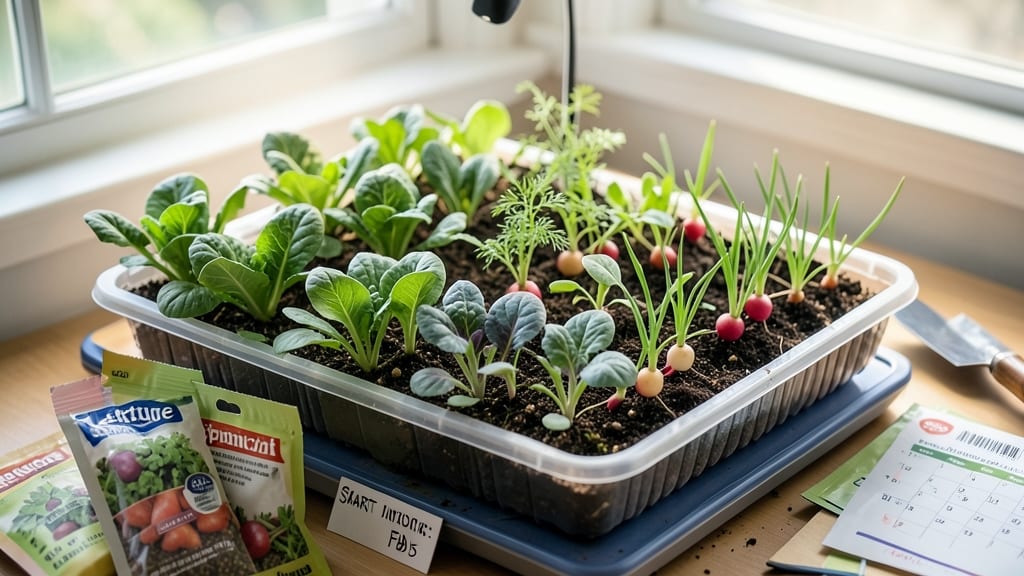
Starting seeds using the seed starting calendar for Zone 4 means the difference between a garden full of thriving plants and a season of wasted effort—getting the timing wrong can leave you with seedlings that bolt too early or struggle when late frosts hit.
If you’ve ever stared at a packet of tomato seeds in February wondering whether to plant them yet, this calendar is your lifeline. Zone 4’s unpredictable frost dates (averaging mid-May but swinging by weeks) make a one-size-fits-all approach risky.
We’ll give you the exact weeks before last frost to start 50+ vegetables, herbs, and flowers—plus how to adjust if your spring runs hot or cold.
Whether you’re a first-timer or a veteran gardener tweaking your routine, these precise windows help you avoid the two biggest mistakes: starting too soon (seedling drought) or too late (missed harvests). No more guesswork—just a clear roadmap for your 🌱 seed starting schedule.
Inside, you’ll find a breakdown of cool-season crops (like spinach and peas), warm-season staples (tomatoes and peppers), and long-season specialties (squash and broccoli), all tailored to Zone 4’s 4a-4b climate. Plus, we’ll cover soil prep, seed stratification, and transplanting tips to set your seedlings up for success.
Zone 4 seed starting timeline by plant type (weeks before last frost)
Mastering the Zone 4 seed starting timeline means aligning your garden with nature’s clock—where cool-season crops like spinach thrive in early starts, but warm-season favorites like tomatoes need precise timing to avoid frost damage.
With average last frost dates between April 15–May 15, your window for indoor starts is tight, and outdoor sowing must wait until soil warms.
This schedule breaks down exactly when to start each plant category, using weeks before last frost as your guide, plus how to adjust for early or late years.
For cool-season vegetables (think spinach, peas, and lettuce), you can start seeds indoors as early as February—some even tolerate light frosts. Meanwhile, warm-season staples like tomatoes and peppers need a head start indoors 6–8 weeks before last frost to reach transplant size by late May.
Long-season crops such as broccoli and squash require even earlier starts, often in January or early February, to mature before frost strikes.
Here’s your Zone 4 seed starting calendar, organized by plant type with exact weeks before last frost, transplant cues, and key varieties to prioritize:
| Plant Category | Weeks Before Last Frost | Direct Sow vs Start Indoors | Transplant Window | Key Varieties | Zone 4 Adjustment |
|---|---|---|---|---|---|
| Cool-Season Crops | 4–8 weeks (Feb–early Mar) | Indoors or direct sow after frost | April 15–May 1 | Spinach, Peas, Lettuce, Kale | Start 2 weeks earlier for late frosts |
| Warm-Season Staples | 6–8 weeks (Feb–early Mar) | Indoors only | May 15–June 1 | Tomatoes, Peppers, Eggplant | Use heat mats for slower germination |
| Long-Season Specialties | 8–10 weeks (Jan–early Feb) | Indoors only | May 1–May 15 | Broccoli, Cabbage, Squash | Extend season with row covers |
| Herbs & Flowers | 4–6 weeks (Feb–Mar) | Indoors or direct sow | April 1–May 10 | Basil, Marigolds, Zinnias | Hardening-off critical for herbs |
Notice how cool-season crops like spinach and peas can handle direct sowing as early as April 1—but only if nighttime temperatures stay above 30°F.
For tomatoes and peppers, the 6–8 week indoor start ensures they’re robust enough to transplant by late May, when soil temperatures hit 55°F. Long-season crops like broccoli demand the earliest starts (January) to avoid bolting before harvest.
Your Zone 4 adjustment column is critical: if your area faces late frosts (common in Zone 4a), shift starts 2 weeks earlier for cool-season crops or use row covers to extend warmth.
For warm-season plants, heat mats can speed germination in cooler indoor conditions. Always monitor soil temperature—50°F+ is ideal for most seeds, but peppers need 70°F+ to thrive.
Transplant readiness cues are your green light: seedlings should have 2–4 true leaves (not just cotyledons) and sturdy stems that won’t snap in wind. For tomatoes and peppers, aim for 4–6 inches tall with strong root systems.
Harden off seedlings for 7–10 days before transplanting to toughen them up—this is especially vital in Zone 4’s temperature swings.
Pro tip: Use a seedling heat mat for warm-season starts in January–February, when indoor temps may dip below 65°F. For cool-season crops, a cold frame can protect early outdoor sowings from late frosts.
And don’t forget succession planting: sow lettuce and radishes every 2 weeks from April to July for continuous harvests.
By following this Zone 4 seed starting timeline, you’ll avoid the two biggest pitfalls: seedlings that outgrow their pots or plants that bolt before harvest.
Start with the cool-season crops in February, then ramp up warm-season prep in March, and you’ll be ready to transplant just as Zone 4’s growing season kicks into gear.
How to adjust your seed starting for Zone 4’s unpredictable frost dates
Zone 4’s frost dates can swing by 2 weeks or more from year to year, making rigid seed-starting schedules risky. If you’ve ever had seedlings bolt in April or wilt from a late frost in May, you know how critical flexibility is.
The key is using soil temperature, local frost forecasts, and indoor grow lights to fine-tune your timing—without relying solely on averages.
For example, tomatoes and peppers need 8-10 weeks indoors before your last frost, but if your spring warms early, you might delay starts by 2 weeks to avoid overcrowded seedlings.
Meanwhile, cool-season crops like spinach can handle light frosts, so you can direct-sow them 2-3 weeks before your average last frost date. Let’s break down how to stay ahead of Mother Nature’s surprises.
One of my favorite tricks is using moon phases (optional but helpful) to time transplanting. For example, planting during the waxing moon can encourage faster root growth, which is especially useful if you’re racing against a late frost.
Pair this with a checklist to track soil temps, seedling stages, and frost alerts—this keeps you organized when conditions change.
For succession planting, like lettuce or beans, stagger starts every 2 weeks to ensure a continuous harvest. This works even if frost dates shift, as you’ll always have young plants ready to mature.
For instance, if your first lettuce crop bolts early, the second batch (started 2 weeks later) will still thrive.
Finally, don’t forget to label everything—especially if you’re adjusting timelines. I use color-coded tags for each plant type (e.g., red for tomatoes, green for peppers) and mark the start date and transplant window on each container. This visual system saves time when making last-minute adjustments due to weather changes.