
Plants
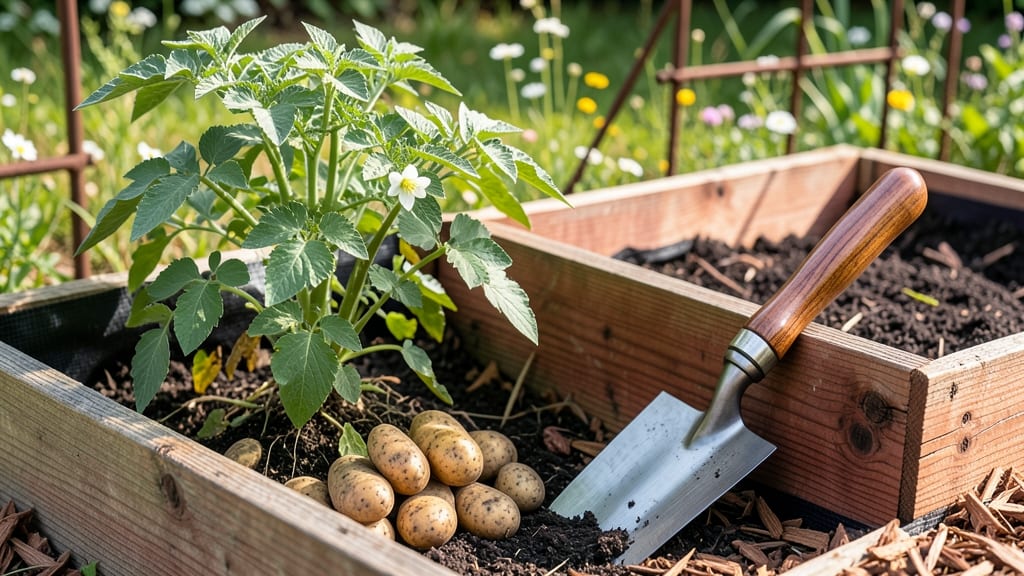
Planting seed potatoes in Australia at the right time ensures strong tubers and avoids frost or heat stress—timing depends on your climate zone and variety.
Timing your seed potato planting in Australia can mean the difference between a bountiful harvest and wasted effort—get it wrong, and you risk frost damage, stunted growth, or even total crop failure.
In cooler regions like Victoria or Tasmania, aim for late winter to early spring when soil temperatures hit 10°C (50°F), while tropical Queensland growers can start as early as autumn. The key is matching your variety to local frost-free dates and soil conditions.
Below, I break down the best planting windows by zone, soil prep tips, and how to adjust for early or late harvests—so you can maximize your 🥔 yield without guessing.
Australia’s seed potato planting calendar by climate zone
Australia’s diverse climate zones mean your seed potato planting window can vary dramatically—from year-round tropical growing to strict frost-free timing in alpine regions. Getting this right ensures strong germination and a high-yield harvest.
I’ll break down the ideal planting months for each zone, plus the soil temperature triggers that signal it’s time to plant.
Potatoes thrive when planted in warm but not scorching soil—typically between 10°C and 15°C (50°F–59°F). In cooler zones, this means waiting until spring frost danger passes, while tropical gardeners can plant almost anytime. Let’s dive into the specifics for your region.
Pro Tip: Always use certified seed potatoes (not grocery store spuds) to avoid disease transmission. Australian gardeners often source these from specialty nurseries or online seed suppliers.
| Climate Zone | Ideal Planting Window | Soil Temp for Planting | Frost Risk | Harvest Window |
|---|---|---|---|---|
| Tropical (e.g., Queensland, NT) | Year-round (best in cool dry season) | 12°C–18°C (54°F–64°F) | None | 3–4 months after planting |
| Subtropical (e.g., Brisbane, Gold Coast) | Autumn (March–May) or Spring (September–October) | 10°C–15°C (50°F–59°F) | Light risk in winter | Summer (Dec–Feb) |
| Temperate (e.g., Sydney, Melbourne, Adelaide) | Spring (September–October) after last frost | 10°C–15°C (50°F–59°F) | High in winter | Late spring to summer (Nov–Jan) |
| Alpine (e.g., Victorian Highlands) | Late spring (November) only | 8°C–12°C (46°F–54°F) | Very high (plant after last frost) | Early summer (Dec–Jan) |
In tropical zones, potatoes grow best during the cooler, drier months to avoid heat stress. I’ve seen tropical gardeners in Cairns plant in May–July for perfect harvests by October. Meanwhile, temperate zones like Sydney rely on spring planting to dodge winter frosts that can kill emerging sprouts.
For alpine regions, timing is critical—plant too early, and frost will kill seedlings. Check your local Bureau of Meteorology frost forecasts and wait until soil temperatures consistently stay above 8°C (46°F). A soil thermometer is worth its weight in gold here!
Another key factor is day length. Potatoes need 12–14 hours of daylight to thrive. In subtropical areas, this means autumn planting aligns with ideal light conditions, while spring planting works better in temperate zones.
Don’t forget to chit your seed potatoes (sprout them indoors) 4–6 weeks before planting. This gives you a 3–4 week head start on growth, especially in shorter growing seasons. I chit mine in egg cartons under grow lights for consistent results.
If you’re in a transition zone (like parts of NSW or SA), consider staggered planting. Plant a small batch in late winter under frost cloth for an early harvest, then follow with a main crop in spring.
Always test your soil pH—potatoes prefer 5.0–6.5. In high-rainfall areas, this might mean amending soil with lime before planting. My subtropical garden needed a boost to 6.0 for optimal tuber formation.
Finally, mulch heavily after planting to retain moisture and suppress weeds. In hot climates, straw mulch can keep soil temps 5–10°C cooler, preventing heat stress on developing tubers.
How to adjust planting times for early or late harvests
Want to harvest potatoes earlier for fresh eating or extend your season for late storage? Adjusting your planting times is the secret. By using staggered planting and season-extending techniques, you can enjoy homegrown spuds months longer than standard schedules allow.
In cooler regions like Victoria or Tasmania, where frost is a real threat, I recommend starting with cold-hardy varieties like 'Kennebec' or 'Red Pontiac' in late winter (August). For tropical Queensland, you can plant early-season varieties like 'Desiree' in autumn (March-April) for harvests before summer heat sets in.
Here’s how to fine-tune your planting for the best results:
- Plant first-early varieties 4-6 weeks before your usual date to harvest 2-3 weeks sooner. Use black plastic mulch to warm soil faster.
- For late harvests, choose longer-season varieties like 'Russet Burbank' and plant in early spring (September). Add straw mulch to insulate tubers.
- Use cold frames or row covers to protect early plantings from late frost (common in NSW and Victoria).
- Try staggered plantings every 2-3 weeks for a continuous harvest. For example, plant one batch in August and another in September.
- In tropical zones, plant shade-tolerant varieties like 'Sweetheart' in late summer (February) to avoid heat stress.
Don’t forget to monitor soil temperatures—potatoes need 10-15°C (50-60°F) to germinate. Use a soil thermometer to check before planting. If temperatures are too low, wait or use warmth mats.
For late-season crops, focus on disease-resistant varieties like 'Sebago' to combat blight risks in humid areas. Always rotate planting spots yearly to prevent soil-borne diseases from building up.
With these adjustments, you can enjoy homegrown potatoes from late spring to early autumn, no matter your climate zone. Happy planting! 🥔