
Lawn
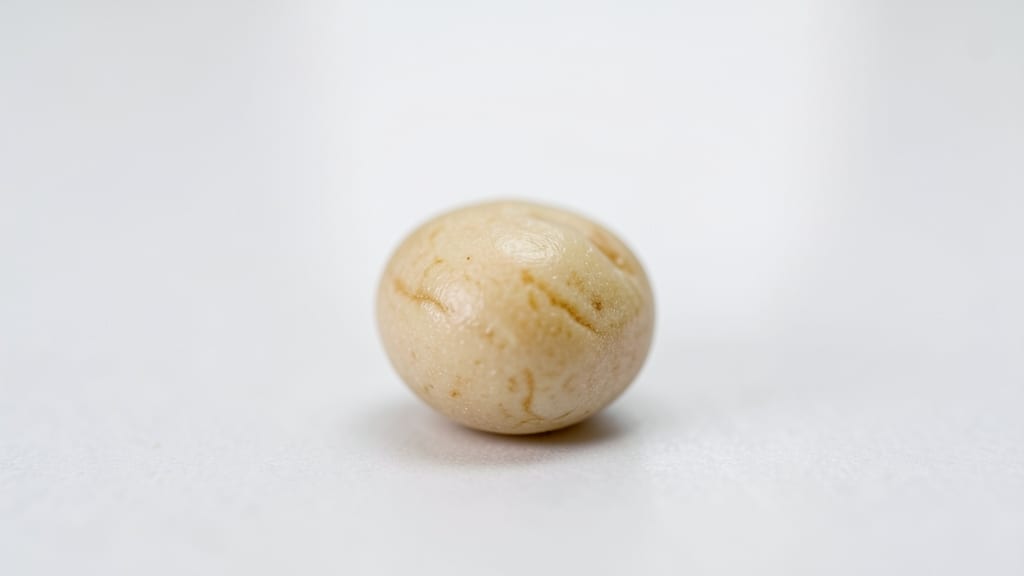
Tomato seeds look like tiny, wrinkled beans—about 1 to 3 millimeters long—hidden inside the jelly-like sacs of a ripe 🍅.
Ever wondered why they look so different from the juicy red fruit you love? Hidden inside every ripe tomato are these small, flat seeds that hold the secret to growing your own plants—if you know what to look for.
Most tomato seeds are pale, ranging from white to tan or cream, with a slightly rough texture that makes them easy to spot when scooped from the tomato’s pulp. Their size is often compared to a grain of rice, but they’re much flatter and more irregular.
Recognizing them is the first step to saving seeds for next year’s garden. Once you know what to look for, you’ll never waste another ripe tomato again!
Identifying tomato seeds: size, shape, and color inside ripe fruit
When you slice open a ripe tomato 🍅, the first thing you’ll notice isn’t the seeds themselves—it’s the thick, jelly-like pulp surrounding them. These seeds are nestled in small gelatinous sacs that burst when you squeeze the fruit, releasing the tiny seeds into the juice.
This natural packaging makes them easy to spot once you know what to look for.
The seeds themselves are flat and bean-shaped, measuring just 1 to 3 millimeters in length. Their size is often compared to a grain of rice, but they’re much flatter and more irregular in shape.
This tiny size is why they’re so easy to overlook unless you’re actively searching for them in the tomato’s pulp.
The color of tomato seeds can vary slightly depending on the variety, but they’re almost always pale. Fresh seeds pulled from a ripe tomato will appear white or cream-colored, while dried seeds take on a tan or light brown hue.
This color change happens naturally as the seeds dry out, which is why saved seeds often look different from the ones you scoop straight from the fruit.
One of the most distinctive features of tomato seeds is their wrinkled texture. When you hold them under a bright light, you’ll see tiny ridges and crevices that give them a slightly rough feel.
This texture isn’t just for show—it helps the seeds cling to the gelatinous pulp inside the tomato, ensuring they’re released together when the fruit is eaten or crushed.
If you’ve ever tried to extract seeds from a tomato, you’ve likely noticed they’re surrounded by a sticky, jelly-like substance. This gel isn’t just pulp—it’s a natural seed-coating that protects the seeds while they’re inside the fruit.
When you’re saving seeds, this gel can be tricky to remove, but it’s a sign you’re on the right track once you see those tiny wrinkled seeds floating in the liquid.
To make identifying them even easier, try this trick: Slice a tomato in half and place it in a bowl of water. The seeds will sink to the bottom, while the pulp and gel will float.
This simple method lets you see the seeds clearly without any mess, making it perfect for first-time seed savers.
Understanding what tomato seeds look like is the first step to saving them for next year’s garden. Once you recognize their size, shape, and color, you’ll never waste another ripe tomato again.
These tiny seeds are the gateway to growing your own plants, so take a closer look the next time you slice into a juicy 🍅!
How to extract and save tomato seeds for gardening
Saving tomato seeds from your homegrown fruit is one of the most rewarding gardening skills. Once you learn how to extract and store them properly, you'll have a free, organic seed supply for next year's garden.
The key steps involve fermenting the pulp to remove the gelatinous coating and drying the seeds correctly to ensure viability.
Start with ripe, fully colored tomatoes—never green ones. The seeds inside should be mature enough to germinate properly. You'll need a small bowl, water, a spoon, and a piece of paper towel or mesh screen for drying.
This process takes about 3-5 days from start to finish, but it's worth the wait for healthy seedlings.
Here's what tomato seeds look like before you begin: tiny, flat, and wrinkled—about 1-3mm long—with a pale white, tan, or cream color. They're often surrounded by a jelly-like substance that must be removed during fermentation.
Step-by-Step: Extracting Tomato Seeds
- 1 Scoop out seeds: Cut open ripe tomatoes and scoop out the jelly-like seeds into a bowl. Add 1 inch of water to cover them.
- 2 Ferment for 2-3 days: Let the mixture sit at room temperature (68-75°F). Good bacteria will break down the gelatinous coating, making seeds sink.
- 3 Rinse seeds: After fermentation, pour the mixture through a mesh strainer, rinsing seeds with water to remove remaining pulp.
- 4 Dry completely: Spread seeds on a paper towel in a single layer. Let dry for 3-5 days in a warm, dry place (avoid direct sunlight).
- 5 Store properly: Once dry and brittle, store seeds in a paper envelope or airtight container in a cool, dark place for up to 4 years.
The fermentation step is crucial—it removes the gelatinous coating that can inhibit germination. If you skip this, your seeds may not sprout properly. After drying, they should look small, flat, and papery—ready for planting next spring.
Label your seed envelopes with the tomato variety and harvest year to avoid confusion. For example, write "Heirloom Brandywine 2024" on the envelope. This simple habit saves time when planning next year's garden layout.
With these steps, you'll have a self-sustaining tomato garden that grows more beautiful—and delicious—each year. Happy seed saving! 🌱🍅