
How To
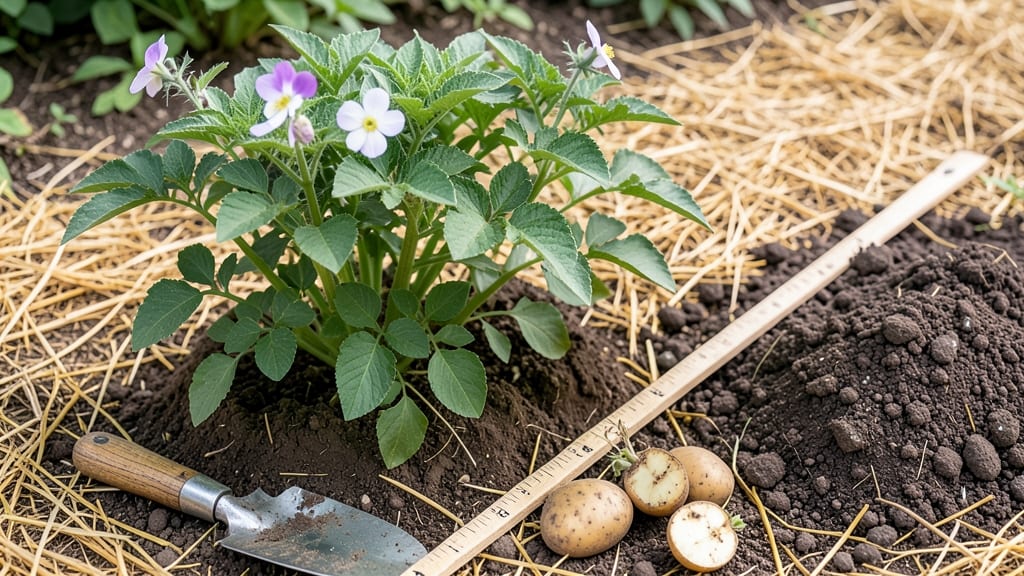
Planting seed potatoes at the right depth is the fastest way to ensure strong germination and a bountiful harvest 🥔 — most gardeners miss the mark by either burying them too shallow or too deep.
If you’ve ever watched your potatoes struggle to break through the soil or rot before they even sprout, you know how critical this step is. The difference between a thriving crop and wasted effort often comes down to those first few inches.
In this guide, I’ll walk you through the exact planting depth for your USDA Zone 6a climate, how to adjust for different soil types, and the common mistakes that lead to poor yields.
You’ll learn how to prepare your soil, space your potatoes correctly, and use mulch or hilling techniques to maximize growth — all without guessing.
Optimal seed potato planting depth by variety and climate conditions
Potatoes need the perfect balance of depth to thrive—too shallow, and they’ll bake in the sun; too deep, and they’ll rot before sprouting. The ideal planting depth for seed potatoes typically falls between 2 to 4 inches, but this varies by variety and climate.
Early-season varieties like Yukon Gold or Red Pontiac handle shallower planting (2-3 inches) better, while late-season types such as Russet Burbank or Kennebec benefit from deeper placement (3-4 inches).
Your USDA Zone 6a climate also plays a role—cold springs may require slightly deeper planting to protect young tubers from frost.
Below, I’ve broken down the science-backed depth guidelines for different potato types and regional conditions to help you maximize tuber development and yield.
🌱
| Variety Type | Recommended Depth (inches) | Climate Adjustments | Best For |
|---|---|---|---|
| Early Season (60-90 days) | 2-3 inches | Warmer zones (Zone 7+); shallow soil | Yukon Gold, Red Pontiac |
| Mid Season (90-110 days) | 3 inches | Moderate climates (Zone 5-8) | Kennebec, Fingerling |
| Late Season (110+ days) | 3-4 inches | Cooler zones (Zone 3-6); frost-prone | Russet Burbank, Purple Viking |
| Organic/Compost-Rich Soil | 2-3 inches | Loose soil; add 1 inch mulch | All varieties |
| Clay or Compacted Soil | 3-4 inches | Aerate soil; avoid waterlogging | All varieties |
The eyes (sprouts) on your seed potatoes should face upward—this ensures faster germination. If planting in cold climates like Zone 6a, add a 1-inch layer of straw mulch after planting to insulate the soil and protect young tubers from late frosts.
In warmer climates (Zone 7+), you can plant slightly shallower (2 inches) to encourage quicker sprouting, but always ensure the soil stays moist. Sandy soils may require deeper planting (3-4 inches) to retain moisture and prevent tubers from drying out.
For raised beds, aim for 3 inches deep—the elevated soil warms faster, so shallower planting can work if you use black plastic mulch to speed up germination. Always space seed potatoes 12 inches apart in rows 24-30 inches apart to allow room for tuber development.
After planting, keep the soil consistently moist but not soggy—water deeply once a week in dry spells. Once sprouts reach 6 inches tall, mound soil around the base (a technique called hilling) to encourage more tuber formation and prevent greening from sunlight exposure.
🌿
If you’re growing organic potatoes, avoid planting deeper than 3 inches in compost-rich soil—excess organic matter can cause tubers to rot. Instead, focus on well-draining soil with a pH of 5.0-6.5 and add a light compost top dressing after planting to boost growth without overfeeding.
Remember, the key to successful potato planting is consistency. Whether you’re in a cool spring or a hot summer, adjusting depth based on your local climate and soil type will give you the best chance for a high-yield harvest.
☀️
Common planting depth mistakes and how to fix them
Even experienced gardeners sometimes struggle with seed potato depth, and small errors can lead to big problems. Planting too shallow causes weak sprouts that struggle to break through the soil, while burying too deep can trap moisture and lead to rot before germination.
Both mistakes waste your time and resources.
I’ve seen gardens where potatoes were planted just 1 inch deep—the sprouts emerged but flopped over, exposing tubers to sunlight and turning them green (and toxic). On the flip side, potatoes buried 8 inches deep often rot in the damp soil before they ever sprout.
The ideal depth isn’t just about inches—it’s about creating the perfect balance of air, moisture, and warmth for your seed potatoes.
Here’s the most common mistake: assuming all potatoes need the same depth. Early-season varieties like ‘Yukon Gold’ can handle slightly shallower planting (3-4 inches), while late-season types like ‘Russet’ thrive at 4-6 inches. Your climate also plays a role—cooler zones need deeper planting to protect sprouts from frost.
Another overlooked factor is soil type. Sandy soil drains quickly, so you might need to plant slightly deeper (5-6 inches) to retain moisture. Clay soil, on the other hand, holds too much water if potatoes are buried too deep—stick to 3-4 inches and improve drainage first.
⚠️ callout-warningPlanting seed potatoes at the wrong depth causes:
- 🌱 Shallow planting (1-2 inches): Sprouts flop, tubers turn green (toxic)
- 💧 Too deep (6+ inches): Rot before sprouting, stunted growth
- 🌡️ Wrong climate adjustment: Frost damage in cool zones, overheating in warm
Fix: Use a ruler—3-4 inches for most varieties, 4-6 inches in cool climates. Loosen soil around the seed to encourage roots.
If your potatoes aren’t sprouting after 3-4 weeks, check the depth first. Dig up one seed potato and inspect it—if it’s dry and shriveled, it was too deep.
If it’s soft and mushy, it rotted from excess moisture. The solution? Adjust your planting depth and improve soil drainage by mixing in compost or perlite.
For container gardening, shallow planting (2-3 inches) is often best, but monitor moisture closely—pots dry out faster. Use a moisture meter to ensure the soil stays consistently damp but not soggy.
If you’re using raised beds, aim for 4 inches deep and add a 2-inch layer of straw mulch to regulate temperature.
Remember, the goal is to create an environment where sprouts can push through easily while keeping the tuber safe from light and rot.
With the right depth—3-4 inches for most varieties—you’ll see strong, healthy plants in just 2-3 weeks, setting you up for a bountiful harvest come summer 🥔.